
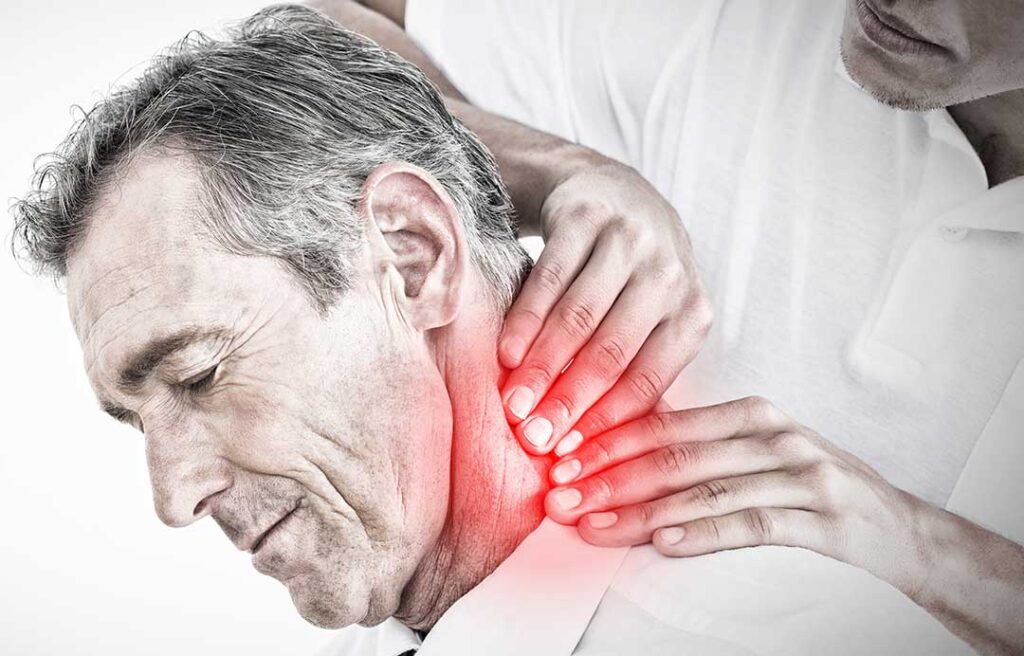
What does “subluxation” mean?
A subluxation is a partial loss of normal joint alignment or function. The word is used in two different ways: in general medicine, it usually describes a joint that is partly displaced but not completely dislocated; in chiropractic care, it may describe altered movement, alignment, or mechanical function in a spinal joint.
Those meanings are related but not identical. A spinal joint described as “subluxated” in a chiropractic examination is not necessarily a bone that has visibly shifted far out of place. In many cases, the term refers to a joint that is stiff, moving unevenly, or associated with localized muscle and joint irritation.
Understanding this distinction matters because the word can sound more severe than the actual finding. It also helps a person ask more precise questions about what was observed, how it was identified, and what treatment is reasonably expected to accomplish.
How is a spinal subluxation different from a dislocation?
A dislocation means that the surfaces of a joint have lost their normal contact. It is usually caused by a significant injury and may require urgent medical treatment.
A subluxation is less complete. The joint surfaces still retain some contact, although alignment or movement may be abnormal. In the shoulder, kneecap, fingers, or other joints, a subluxation may cause sudden pain, instability, swelling, or a feeling that the joint is slipping.
In chiropractic discussions, spinal subluxation often refers to a movement or function problem rather than a traumatic partial dislocation. A person may have restricted motion in one area of the neck or back, protective muscle tension, or pain with certain movements without having a dangerous structural displacement.
The practical question is not simply whether the word “subluxation” appears in a report. The more useful questions are:
- Which spinal region is involved?
- What examination findings support the description?
- Is there an injury, nerve involvement, or another medical condition?
- What change should treatment produce?
- How will improvement be measured?
Why might a subluxation matter?
A joint that does not move normally can contribute to pain, stiffness, muscle guarding, and reduced range of motion. These effects may influence everyday activities such as turning the head while driving, lifting a child, standing at a kitchen counter, or getting in and out of a vehicle.
The spine works as a coordinated structure. When one area becomes painful or restricted, nearby muscles and joints may compensate. That compensation can make symptoms feel more widespread than the original problem. For example, limited movement in the upper back may increase strain on the neck and shoulders, while a painful lower-back segment may alter the way a person bends or walks.
A subluxation is therefore best understood as one possible description of a mechanical problem, not as a complete explanation for every symptom. Back or neck pain can also result from muscle strain, arthritis, disc disorders, fractures, inflammatory disease, infection, or nerve compression. A careful assessment should consider these possibilities rather than assuming that every painful area has the same cause.
How is it identified?
Assessment typically begins with a health history and physical examination. The examination may include observing posture and movement, checking active range of motion, assessing tenderness and muscle tone, and screening strength, sensation, reflexes, and coordination.
Imaging is not automatically needed for ordinary back or neck pain. X-rays, magnetic resonance imaging, or other tests may be considered when there has been significant trauma, persistent or worsening symptoms, neurological changes, suspected fracture, or another concern that cannot be evaluated adequately through examination alone.
An image can show alignment, arthritis, fractures, or other structural findings, but it does not always explain the intensity of pain. Some people have visible age-related changes without symptoms, while others have significant pain with little apparent change on an image. A useful evaluation combines the history, examination, and—when appropriate—imaging.
What symptoms can occur?
Symptoms depend on the area involved and the underlying cause. Common complaints may include:
- Localized neck, mid-back, or lower-back pain
- Stiffness or reduced range of motion
- Muscle tightness or protective spasms
- Pain that changes with posture or movement
- Tenderness near a spinal joint
- Aching that spreads into the shoulder, hip, or buttock
Numbness, tingling, burning pain, or weakness can suggest irritation or compression of a nerve. These symptoms deserve closer evaluation because they may reflect a disc problem, narrowing around a nerve, or another condition rather than a simple movement restriction.
Are chiropractic adjustments appropriate for every subluxation?
No. Manual treatment may be considered for some uncomplicated musculoskeletal problems, but it is not suitable for every person or every cause of spinal pain. The safest approach depends on the diagnosis, symptom pattern, medical history, medications, bone health, and recent injuries.
A person should be especially cautious about forceful spinal manipulation after a serious fall, collision, or other trauma; with known or suspected fracture; severe osteoporosis; active infection; certain inflammatory or bleeding disorders; or progressive neurological symptoms. Recent surgery and some medications may also change what treatment is appropriate.

Neck manipulation deserves particular care. Serious complications are uncommon, but some neck-related procedures have been associated with vascular injury. A discussion of potential benefits, alternatives, and risks is appropriate before treatment, especially when symptoms are unusual or severe.
What symptoms require prompt medical attention?
Back or neck pain with any of the following requires urgent medical evaluation:
- New or worsening weakness in an arm or leg
- Loss of bladder or bowel control
- Numbness in the groin or inner thighs
- Severe pain after a fall, crash, or direct blow
- Fever, unexplained weight loss, or a history of cancer
- Severe headache, fainting, vision changes, trouble speaking, or difficulty walking
- Pain that is rapidly worsening or accompanied by significant illness
These warning signs may indicate a serious neurological, infectious, vascular, or structural problem. They should not be explained away as an ordinary subluxation.
What can local residents do for prevention and recovery?
Many mechanical complaints develop during ordinary routines rather than one dramatic event. In Lynbrook, seasonal tasks such as clearing wet leaves, moving outdoor furniture, carrying supplies, or shoveling after winter weather can place sudden demands on the back and shoulders. Long periods of driving, desk work, or looking down at a phone can also increase stiffness.
Helpful habits include:
- Change position regularly instead of sitting or standing in one posture for hours.
- Lift with the load close to the body and avoid twisting while carrying it.
- Warm up before strenuous seasonal chores.
- Build strength and mobility gradually rather than returning abruptly to heavy activity.
- Use pain and movement as guides; sharp, spreading, or progressively worsening symptoms warrant evaluation.
- Avoid repeatedly forcing a joint into painful positions.
The word “subluxation” should prompt clarification, not alarm. It may describe a partial joint displacement, a restricted spinal segment, or a billing and documentation term used in chiropractic settings. Its significance depends on the actual examination findings, the presence or absence of nerve symptoms, the cause of the problem, and whether function is improving over time.
