
Living with stiffness, reduced range of motion, or recurring aches can make ordinary activities feel harder than they should. Getting out of a chair, walking through the neighborhood, carrying groceries, turning the head while driving, or reaching into a cabinet may all depend on mobility.
For residents of Lynbrook, NY, natural mobility strategies can often fit into daily routines without special equipment. The most helpful approach usually combines regular movement, gradual strengthening, flexibility work, balance practice, adequate recovery, and attention to habits that may be adding strain.
What does mobility include?
Mobility is the ability to move a joint or body region through a useful range of motion with control. It is different from flexibility alone.
Flexibility describes how far a muscle or joint can move. Mobility also involves strength, balance, coordination, body awareness, and confidence. For example, touching the floor requires flexibility, but standing back up safely requires leg strength, balance, and coordination.
Mobility may be limited by several factors, including:
- Long periods of sitting
- Previous injuries
- Joint arthritis
- Muscle weakness
- Poor balance
- Repetitive work or household tasks
- Guarding caused by pain
- Reduced activity during cold, wet, or icy weather
A gradual, consistent routine is generally more useful than occasional intense stretching.
Can daily walking improve mobility?
Yes. Walking is one of the simplest ways to maintain joint motion, leg endurance, circulation, and confidence with movement. It also allows the hips, knees, ankles, spine, and arms to move together in a functional pattern.
A practical starting point is a comfortable walk for 5 to 15 minutes. The duration can increase slowly as tolerance improves. Short walks divided across the day may be easier than one long session, particularly for people who experience stiffness after sitting.
In the community, weather and seasonal conditions can affect walking habits. During icy periods or heavy rain, indoor walking through a safe, uncluttered area may be a reasonable substitute. Supportive footwear and attention to uneven pavement, wet surfaces, and poorly lit routes can reduce unnecessary fall risk.
Walking should not cause sharp, escalating, or radiating pain. Mild muscle fatigue is different from symptoms that continue to worsen during or after activity.
Which exercises help restore range of motion?
Gentle movement performed regularly can help maintain usable range of motion. Exercises should be slow enough to control and should not force a joint into pain.
Useful examples include:
- Shoulder rolls and gentle arm circles
- Neck turns within a comfortable range
- Ankle pumps and ankle circles
- Seated knee extensions
- Hip marching while seated or standing
- Cat-cow movements on hands and knees, if comfortable
- Gentle trunk rotation while seated
- Heel raises while holding a stable surface
Stretching is often most comfortable after light movement has warmed the muscles. A stretch should create mild tension, not sharp pain, numbness, burning, or a strong pulling sensation. Breathing normally is preferable to holding the breath.
Mobility exercises are not meant to force a stiff joint to move normally in one session. Improvement is usually measured by easier daily activity, smoother movement, or less stiffness over time.
Why is strength training important for mobility?
Strength supports mobility by giving the body control over the available range of motion. Stronger hips and legs can make stairs, curbs, transfers, and walking easier. Trunk and upper-body strength can help with posture, reaching, and carrying household items.
Simple home exercises may include:
- Sit-to-stand movements from a firm chair
- Wall push-ups
- Heel raises while holding a counter
- Step-ups on a low, stable step
- Bridging on the floor, if getting down and up is safe
- Light resistance-band rows
- Standing hip abduction while holding a sturdy surface
Begin with a small number of repetitions and focus on smooth technique. Increasing repetitions, resistance, or frequency should happen gradually. Strength training two days per week is a commonly used general target for adults, but the appropriate starting point depends on current ability, medical conditions, and previous injuries.
A common misconception is that strength work will automatically make someone stiff. Properly paced strengthening generally supports function; problems are more likely when exercise is excessive, poorly controlled, or performed through significant pain.
How can balance exercises support safer movement?
Balance is a mobility skill, not only a concern for older adults. It helps the body adjust when stepping off a curb, turning, walking on uneven ground, or carrying an object.
Safe balance practice can include:
- Standing with feet close together while holding a counter
- Shifting weight from side to side
- Walking slowly in a straight line near a wall
- Rising onto the toes and lowering with control
- Practicing one-leg standing while keeping one hand on a stable surface
Balance exercises should be performed near something sturdy, not on a slippery floor or while distracted. If there is a history of falls, dizziness, fainting, or significant instability, unsupervised balance challenges may not be appropriate.
Do posture and household habits affect mobility?
Yes. Mobility is influenced by what happens between exercise sessions. Remaining in one position for long periods may increase stiffness, even when the position itself is not harmful.
Helpful habits include changing position every 30 to 60 minutes, placing frequently used items where they can be reached without repeated bending, and alternating tasks that use different body regions. During desk work, the screen should be positioned so the head is not constantly angled downward. Feet should rest securely, and the shoulders should remain relaxed rather than lifted.
Household chores can also be treated as movement practice. Light gardening, laundry, cooking, and walking while completing errands may provide useful activity when performed with reasonable pacing. Avoid rushing through lifting, twisting, or carrying tasks, especially when the body is already tired.
What role do sleep, hydration, and nutrition play?
Recovery affects how well the body moves. Inadequate sleep can increase fatigue and make normal activity feel more difficult. Hydration supports general physical function, particularly during warm weather or prolonged activity.
Adequate protein and a balanced eating pattern help support muscle maintenance. This does not require special supplements for everyone. Foods such as eggs, dairy products, beans, fish, poultry, tofu, nuts, and seeds can contribute protein as part of a varied diet.
Weight changes, persistent fatigue, or reduced appetite may affect mobility and deserve attention, particularly in older adults.
When should mobility problems be medically evaluated?
Some symptoms should not be managed with exercises alone. Prompt medical evaluation is appropriate for sudden weakness, loss of coordination, new numbness, loss of bladder or bowel control, severe swelling, unexplained fever, chest pain, fainting, or pain following a major fall or accident.
A medical assessment is also sensible when pain is progressively worsening, regularly interrupts sleep, causes significant weakness, or prevents normal walking. People with osteoporosis, recent surgery, inflammatory disease, neurological conditions, or serious heart or lung conditions may need individualized activity guidance.
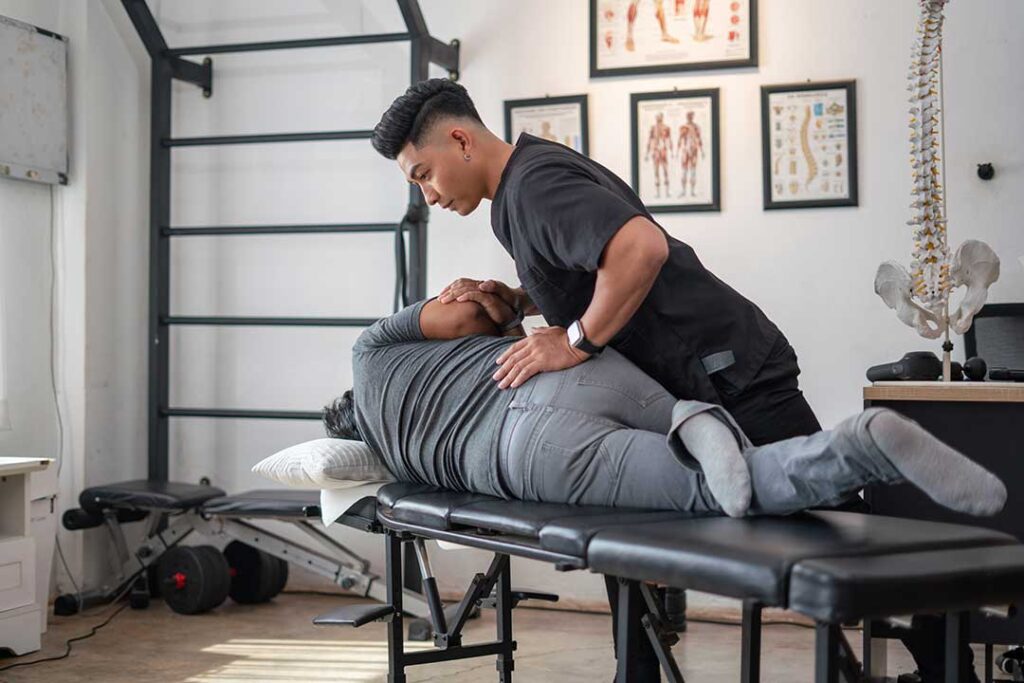
Chiropractic care may be considered by some adults as part of conservative musculoskeletal care, but treatment should be based on an appropriate evaluation and should not replace urgent medical assessment when warning signs are present. Mobility plans work best when they match the person’s diagnosis, physical capacity, medications, and safety needs.
How can someone begin without overdoing it?
Start with movements that are familiar and manageable. A reasonable first week might include brief walks, gentle joint movements, and one or two basic strengthening exercises. Track how the body feels during the activity and the following day.
Progress when movement feels stable, not simply because a calendar says it is time to advance. Mild soreness may occur after new activity, but sharp pain, increasing swelling, marked weakness, or symptoms that last several days are signals to reduce the load and reassess the plan.
The goal is not perfect flexibility or athletic performance. It is dependable movement for ordinary life: walking comfortably, changing positions, managing stairs, completing household tasks, and staying engaged with the community through different seasons.
