
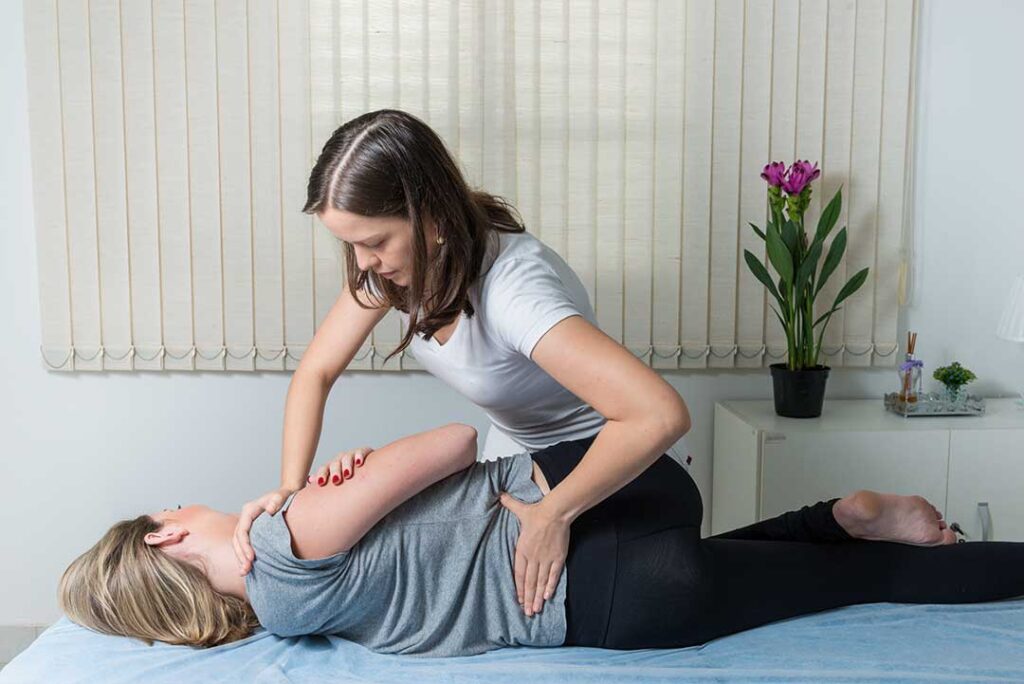
What is a spinal adjustment?
A spinal adjustment is a controlled manual technique used to move a spinal joint through a specific range of motion. The goal is generally to reduce discomfort, improve movement, and influence how the nervous system and surrounding muscles respond—not to “put a bone back in place.”
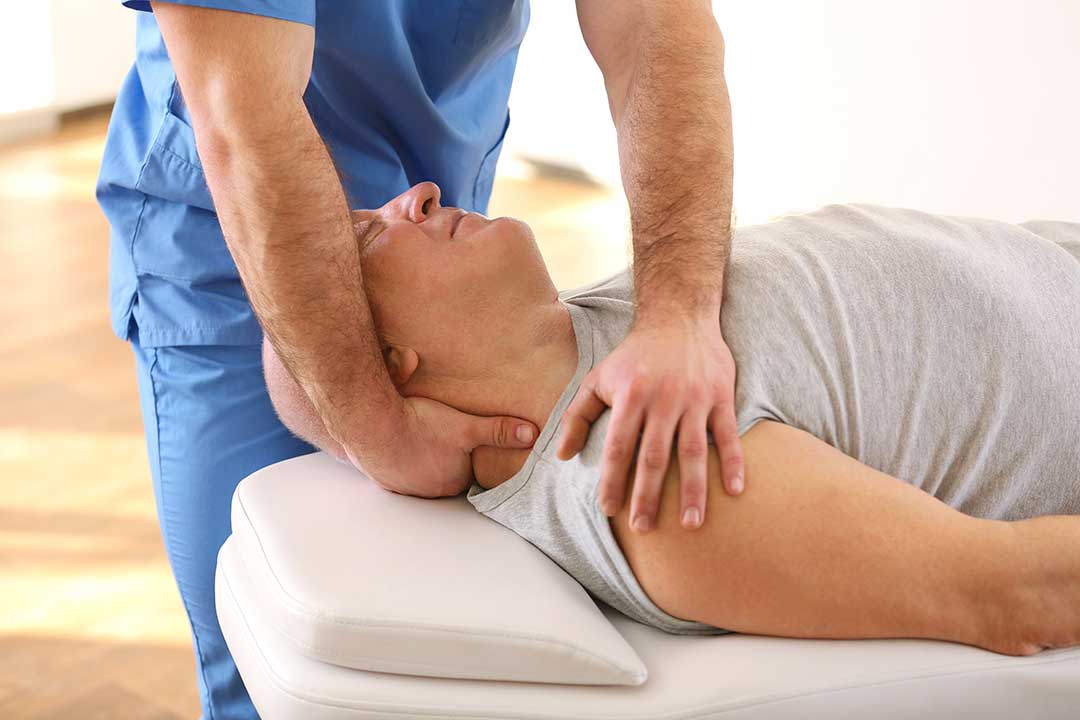
The term *spinal manipulation* is often used in research and healthcare discussions. It may involve a quick, low-amplitude thrust, slower mobilization, or a device-assisted technique. The approach depends on the person’s symptoms, health history, age, comfort level, and the area being examined.
For residents of Lynbrook, NY, spinal adjustments may be considered for common musculoskeletal concerns associated with desk work, commuting, household tasks, recreational activity, or seasonal outdoor activity. They are one possible part of conservative care, not a universal treatment for every type of pain.
What happens during an adjustment?
Before an adjustment, a careful evaluation should identify where movement is limited, what activities worsen symptoms, and whether signs point to a condition requiring a different type of medical assessment.
During the technique, the person may lie on a treatment table or sit while the practitioner applies a measured force to a joint. The movement is usually brief. Some people notice a popping or cracking sound, while others do not.
That sound is generally caused by a rapid change in pressure within joint fluid, known as cavitation. It is not proof that a bone has been “realigned,” and the absence of a sound does not mean the technique was ineffective.
An adjustment may be combined with:
- Gentle joint mobilization
- Soft-tissue techniques
- Stretching or strengthening exercises
- Advice about activity, lifting, sleep position, or work posture
- Gradual return to normal movement
A sound treatment plan should focus on function and symptom progress rather than the number of adjustments or the presence of joint noise.
How might spinal adjustments affect pain?
The science suggests that spinal adjustments may influence pain through several overlapping mechanisms. No single explanation applies to every person.
A controlled movement can stimulate sensory receptors in joints, muscles, and connective tissues. These signals may change how the spinal cord and brain process pain. The technique may also temporarily reduce protective muscle tension or make a restricted movement feel easier.
There can be a short-term effect on range of motion as well. For example, someone with low-back discomfort may find it easier to stand, walk, or change positions after treatment. This does not necessarily mean that a structural problem has been permanently corrected. It may mean that pain sensitivity, muscle guarding, and joint movement have temporarily changed.
Expectations and the treatment setting can also influence pain. That does not make the relief imaginary. Pain is shaped by physical signals, the nervous system, sleep, stress, previous injuries, and beliefs about movement. Effective care usually addresses more than one of these factors.
What does research say about effectiveness?
Research provides the strongest support for spinal manipulation as one option for some types of low-back pain, particularly uncomplicated mechanical or nonspecific low-back pain. Studies generally show modest improvements in pain and physical function for some adults, with results varying from person to person.
For chronic low-back pain, spinal manipulation appears to provide benefits comparable to several other recommended non-drug approaches for some patients. Exercise, education, gradual activity, and self-management remain important because lasting improvement usually depends on restoring confidence and capacity, not only reducing symptoms during treatment.
Evidence for neck pain is more mixed, and the neck requires particular caution. Research does not support the idea that adjustments can cure infections, repair damaged organs, correct unrelated medical diseases, or guarantee prevention of future pain.
A reasonable expectation is a possible improvement in comfort or movement. A less realistic expectation is permanent correction of the spine after a single visit.
Are spinal adjustments safe?
For appropriately selected people, spinal adjustments are generally considered low risk, but they are not risk-free. Temporary soreness, stiffness, increased discomfort, or a mild headache can occur. These effects commonly improve within a day or two.
Serious complications are rare, but they have been reported. Neck manipulation has received particular attention because neck artery problems can occur, although the relationship between manipulation and these events remains difficult to determine. Sudden neck pain or headache accompanied by weakness, numbness, trouble speaking, dizziness, vision changes, loss of balance, or facial drooping requires urgent medical attention rather than further manual treatment.
A health history should include conditions and medications that may affect safety, such as:
- Recent trauma or suspected fracture
- Severe or worsening osteoporosis
- Cancer involving the spine
- Infection or unexplained fever
- Inflammatory arthritis
- Bleeding disorders or blood-thinning medication
- Progressive weakness or significant numbness
- Recent surgery
- Certain connective-tissue or vascular disorders
Pregnancy, older age, and complex medical conditions do not automatically rule out all manual care, but they call for careful screening and appropriate modification.
When is an adjustment not the right first step?
Back or neck pain can sometimes reflect a problem outside the usual range of muscle and joint strain. An adjustment should not delay medical evaluation when symptoms suggest a more serious condition.
Prompt evaluation is especially important for new loss of bladder or bowel control, numbness in the groin area, severe weakness, unexplained weight loss, fever, a history of significant trauma, or pain that is severe and constant at rest. Chest pain, shortness of breath, fainting, sudden neurological symptoms, or abdominal symptoms also require medical attention rather than treatment directed only at the spine.
Pain that travels down an arm or leg does not always mean an emergency, but persistent numbness, weakness, or worsening symptoms should be assessed carefully. The cause may involve a nerve, disc, joint, or another condition requiring a broader plan.
How should residents judge whether treatment is helping?
The most useful measure is improved daily function. A person might track whether it is easier to sleep, walk, sit through a commute, work at a computer, lift ordinary household items, or participate in normal activities.
Helpful questions include:
- Is pain becoming less intense or less frequent?
- Is movement improving?
- Can normal activities resume gradually?
- Are exercises or activity changes becoming easier?
- Are symptoms stable, worsening, or spreading?
If symptoms repeatedly worsen, relief lasts only briefly, or treatment continues without meaningful functional progress, the plan deserves reassessment. More treatment is not automatically better treatment.
In a dense suburban community where people may spend long periods driving, sitting at work, maintaining homes, or commuting in cold and wet weather, small changes in movement habits can matter. Regular walking, varied working positions, sensible lifting, adequate sleep, and gradual conditioning often complement any hands-on approach.
What is the main takeaway?
Spinal adjustments are best understood as one form of manual therapy that may produce modest short-term improvements in pain and movement for selected musculoskeletal problems. Their effects are more plausibly related to changes in joint motion, muscle activity, sensory processing, and pain sensitivity than to permanently repositioning bones.
The safest approach combines accurate screening, realistic expectations, attention to warning signs, and active participation in movement and recovery. No adjustment should be used as a substitute for urgent medical care or a complete evaluation when symptoms do not fit an ordinary muscle-and-joint problem.
