
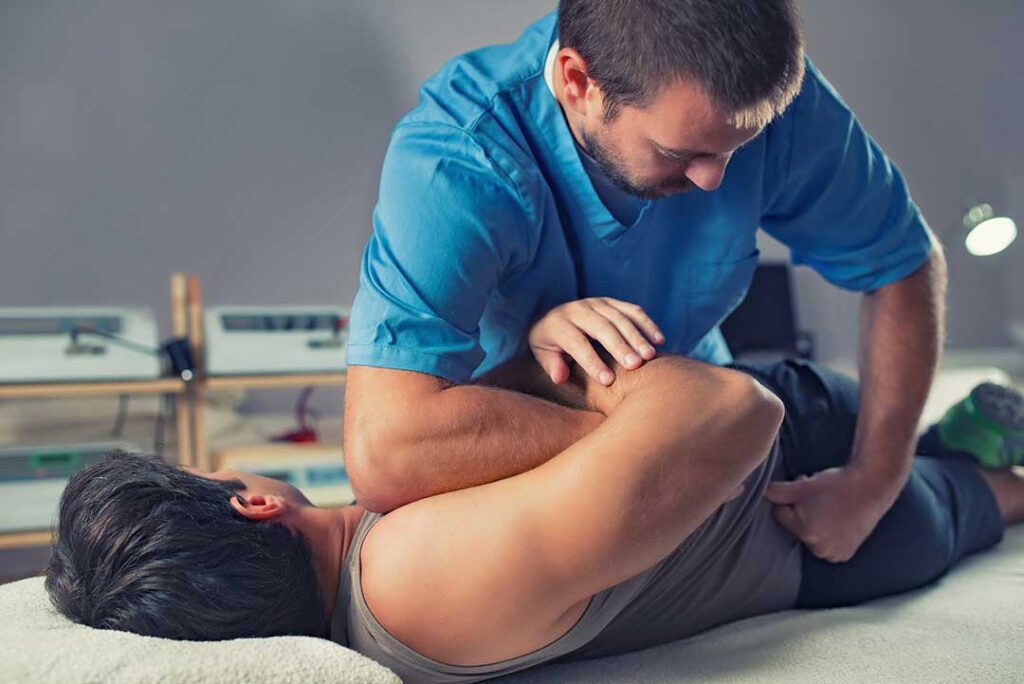
Golf depends on coordinated movement through the feet, ankles, hips, spine, shoulders, and arms. Chiropractic care may support that movement by addressing joint stiffness, mobility limitations, and certain sources of musculoskeletal pain—but it is not a substitute for golf instruction, strength training, or medical evaluation when symptoms are serious.
For golfers in Lynbrook, seasonal changes can affect playing habits. Some residents play regularly during warmer months, while others return to the course after spending part of the colder season less active. That transition can make stiffness, overuse, and poor conditioning more noticeable during the first several rounds.
How can chiropractic care affect a golf swing?
Chiropractic care may help improve comfort and movement in areas that contribute to a golf swing, especially the mid-back, lower back, hips, and pelvis. A golfer who cannot rotate comfortably may compensate by overusing the lower spine, lifting the shoulders, or changing weight transfer.
A typical chiropractic assessment may consider:
- Spinal and hip mobility
- Posture during setup
- Balance and weight shifting
- Muscle tightness or weakness
- Movement during rotation, bending, and extension
- Whether pain begins during the backswing, downswing, impact, or follow-through
The goal is not to force a particular swing style. The more practical aim is to identify movement restrictions or painful patterns that may make the swing less efficient.
Can chiropractic treatment help golf-related back pain?
It may help some people with mechanical low back pain, particularly when discomfort is related to joint stiffness, restricted movement, or muscle tension. Spinal manipulation is one treatment approach that may provide short-term improvement for certain types of low back pain, although results vary and it is not appropriate for everyone.
Golf places repeated rotational, compressive, and shearing forces on the lower back. Pain can become more likely when a golfer suddenly increases the number of rounds, practices for long periods, or swings forcefully without adequate mobility and conditioning.
Chiropractic care may be used alongside:
- Therapeutic exercise
- Core and hip strengthening
- Mobility work for the hips and upper back
- Activity modification
- Heat or ice when appropriate
- Golf instruction focused on technique and swing mechanics
A golfer should not assume that all back pain is caused by a “misaligned” spine. Disc problems, arthritis, muscle strains, stress injuries, nerve irritation, and non-spinal conditions can produce similar symptoms.
Which parts of the body matter most for golf?
The lower back often receives the most attention, but the hips and upper back are also central to a comfortable swing. If either area is stiff, the lower spine may rotate more than it should.
The hips help create a stable base and allow the pelvis to turn. The thoracic spine, or upper and middle back, contributes to trunk rotation. The shoulders and wrists then help transfer movement into the club.
Limited movement in one area can lead to extra motion elsewhere. For example, a golfer with restricted hip rotation may twist through the lower back to complete the backswing. Someone with a stiff upper back may lift the arms or rotate excessively through the lumbar spine.
Improving mobility does not automatically improve distance or accuracy. It may, however, make it easier to practice and play without repeatedly provoking pain.
Can chiropractic care improve flexibility and rotation?
Chiropractic treatment may temporarily improve a joint’s range of motion when stiffness is contributing to restricted movement. Exercise is usually needed to maintain and build on that change.
Useful areas to work on may include:
- Hip rotation
- Hamstring flexibility
- Ankle mobility
- Upper-back rotation
- Shoulder movement
- Trunk control
- Balance and single-leg stability
Mobility should be functional rather than excessive. A golfer does not need extreme flexibility to swing well. The more relevant question is whether the body can rotate, stabilize, and transfer force without painful compensation.
A gradual exercise program is generally more useful than relying on repeated passive treatment alone. Strength in the glutes, abdominal muscles, back muscles, and legs can help support control throughout the swing and while walking the course.
What should golfers do before playing?
A five- to ten-minute dynamic warm-up can prepare the body for repeated rotation. Static stretching alone is not always enough, particularly when the body has been inactive.
A practical warm-up might include:
- Easy walking
- Gentle trunk rotations
- Hip hinges
- Leg swings
- Shoulder circles
- Practice swings that gradually increase in speed
- A few short shots before full swings
The first swings should not be maximum-effort swings. Starting with half-swings and gradually increasing range and speed gives the hips, spine, shoulders, and forearms time to adjust.
This is especially useful for residents returning to golf after winter inactivity or beginning a new season with more rounds than usual.
Will chiropractic care improve driving distance or accuracy?
There is no guarantee that chiropractic treatment will increase clubhead speed, reduce a handicap, or correct a technical flaw. Distance and accuracy depend on many factors, including swing mechanics, timing, strength, balance, equipment, practice, and course conditions.
Chiropractic care may indirectly support performance if pain or stiffness limits rotation, balance, or follow-through. A golfer who can move more comfortably may be able to practice consistently and maintain better control. That is different from claiming that spinal adjustments directly improve golf skill.
Swing changes should be assessed by a qualified golf instructor, while persistent or complex pain may require evaluation from a medical professional.
When should a golfer stop playing and seek evaluation?
Golfers should not play through symptoms that are worsening, severe, or associated with neurological changes. Medical evaluation is especially important for:
- Numbness, tingling, or weakness in an arm or leg
- Pain traveling below the knee or into the arm
- Loss of balance or coordination
- Severe pain after a fall or collision
- Unexplained fever, weight loss, or unusual fatigue
- Loss of bladder or bowel control
- Pain that persists despite rest and reasonable activity changes
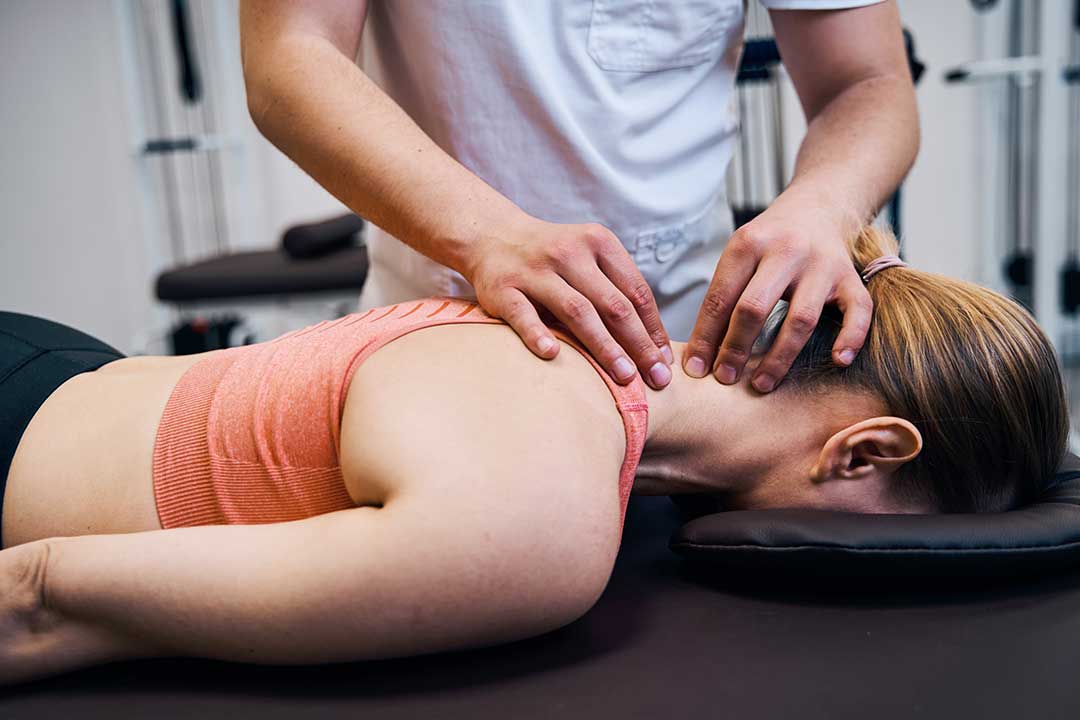
Neck manipulation also requires careful screening because the neck contains important blood vessels and nerves. A person with a history of certain medical conditions, recent trauma, osteoporosis, infection, or neurological symptoms may need a different form of care.
How should chiropractic care fit into a golf health plan?
The most useful approach is usually a broader one: assess painful movement, restore appropriate mobility, build strength, warm up before play, and review swing habits that may be increasing strain.
Keeping a simple record can help identify patterns. Note whether symptoms occur after walking, carrying a bag, practicing at the range, using a cart, or playing multiple days in a row. Also record whether pain is worse during the backswing, impact, or follow-through.
For many golfers, the goal is not a dramatic change in swing mechanics. It is consistent, comfortable movement that allows participation without repeatedly aggravating the same area. Chiropractic care may be one part of that process when it is appropriately matched to the person’s symptoms, health history, and activity goals.
