

Can chiropractic adjustments help with PMS symptoms?
Chiropractic adjustments may help some people manage musculoskeletal discomfort that appears before or during a menstrual period, such as low-back pain, pelvic-area tension, hip discomfort, or stiffness. However, there is not strong evidence that spinal adjustments directly treat the hormonal changes responsible for premenstrual syndrome, or PMS.
PMS includes physical and emotional symptoms that occur during the days or weeks before menstruation. Common symptoms include bloating, breast tenderness, headaches, fatigue, irritability, mood changes, food cravings, and cramps. Because these symptoms have several possible causes, chiropractic care should be viewed as a possible supportive option for certain pain-related symptoms rather than a primary treatment for PMS itself.
For residents of Lynbrook, NY, this distinction can be useful. A person may experience both PMS and a separate mechanical back or hip problem related to prolonged sitting, commuting, household responsibilities, exercise, or other daily activities. An adjustment might address the musculoskeletal component without treating the underlying menstrual cycle changes.
What symptoms might respond to an adjustment?
Adjustments are most relevant to symptoms involving the muscles, joints, and spine. If PMS is accompanied by back tightness or pelvic-area discomfort, improving movement in the lower back or hips may make those symptoms feel more manageable.
Possible areas of short-term benefit include:
- Aching in the lower back
- Stiffness after sitting or sleeping
- Muscle tension around the hips or pelvis
- Discomfort that changes with posture or movement
- General difficulty moving comfortably during a period
The response varies considerably. Some people notice temporary relief, while others notice no meaningful change. An adjustment is less likely to help symptoms such as breast tenderness, water retention, acne, food cravings, or mood changes because those symptoms are not primarily caused by restricted spinal movement.
It is also worth separating PMS from painful periods, medically called dysmenorrhea. Cramps caused by uterine contractions may feel like back pain, but they are not necessarily a sign of a spinal problem. Adjusting the spine cannot be assumed to correct uterine contractions or the hormonal fluctuations that trigger PMS.
What does research say about chiropractic care for PMS?
Research on spinal manipulation for PMS specifically is limited. Chiropractic adjustments have been studied more extensively for certain types of back pain and other musculoskeletal conditions than for menstrual symptoms.
That means claims that adjustments can “balance hormones,” improve fertility, or correct the root cause of PMS should be treated cautiously. Those claims go beyond what current evidence can reliably establish.
A more accurate explanation is that an adjustment may influence pain perception, joint motion, or muscle tension in some people. If a person’s premenstrual discomfort includes a mechanical low-back problem, treating that problem may improve comfort even though the menstrual cycle itself has not changed.
PMS is usually managed through a combination of symptom tracking, regular physical activity, sleep, stress-management strategies, nutrition, and—when needed—medical treatment. Depending on the symptoms, options may include anti-inflammatory medication, hormonal treatment, or medication for significant mood symptoms.
Could stretching or movement be as useful?
Regular movement may help PMS symptoms and is often a practical first step. Aerobic activity, walking, gentle cycling, swimming, yoga, and mobility exercises can reduce stiffness and may improve fatigue or mood for some people.
A simple routine might include:
- A short walk most days of the week
- Gentle hip and lower-back mobility exercises
- Light stretching after sitting for long periods
- Heat applied to the lower abdomen or lower back
- Adequate sleep and consistent meal timing
- Tracking symptoms for at least two or three menstrual cycles
Seasonal habits can affect comfort. During colder months, people may spend more time indoors, sit longer, or reduce outdoor activity, which can increase stiffness. Warm clothing, brief movement breaks, and indoor exercise may be helpful when weather discourages walking.
Movement should not cause sharp, worsening, or radiating pain. Exercises can be reduced or stopped if they increase symptoms.
Is chiropractic care safe during PMS?
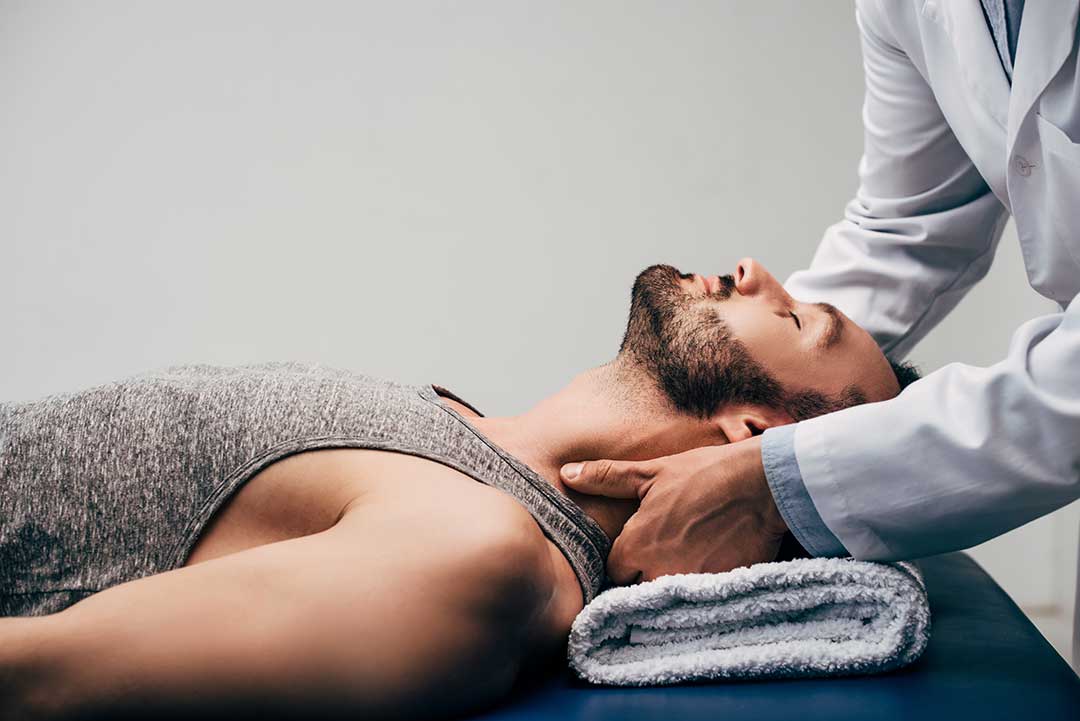
For many healthy adults, spinal manipulation causes no serious problems, but temporary soreness, stiffness, headache, or increased discomfort can occur. Serious complications are uncommon but have been reported, particularly with certain types of neck manipulation.
A careful health history matters. Relevant information includes pregnancy or possible pregnancy, osteoporosis, recent injury, bleeding disorders, cancer, infection, unexplained weight loss, neurological symptoms, and medications that affect bleeding or bone health.
It is also important to explain whether the pain is new, severe, one-sided, associated with heavy bleeding, or different from a person’s usual PMS pattern. Those details may suggest that the symptoms need medical evaluation rather than a musculoskeletal approach.
People with significant pelvic pain should not delay medical care while trying adjustments. Conditions such as endometriosis, fibroids, ovarian cysts, pelvic infection, thyroid problems, and PMDD can produce symptoms that overlap with PMS.
When should PMS symptoms be medically evaluated?
Medical evaluation is appropriate when symptoms interfere with work, school, relationships, sleep, or normal daily activities. A symptom diary can help show whether problems consistently begin before menstruation and improve after the period starts.
Prompt evaluation is especially important for:
- Sudden or severe pelvic pain
- Fainting, fever, vomiting, or unusual weakness
- Very heavy or prolonged bleeding
- Pain during sex or bowel movements
- New symptoms after age 25 or 30
- Mood symptoms involving hopelessness or thoughts of self-harm
- Pain that continues throughout the month
- Numbness, leg weakness, or loss of bladder or bowel control
Premenstrual dysphoric disorder, or PMDD, is a more severe condition involving prominent mood symptoms and functional impairment. It requires a different level of assessment and may respond to treatments that chiropractic care cannot provide.
How can chiropractic care fit into a broader plan?
Chiropractic care may be reasonable as a complementary approach when PMS coincides with clearly identifiable back, hip, or muscle discomfort. The goal should be specific and measurable, such as improved walking, easier sleep, or less stiffness—not a promise to change hormone levels or eliminate PMS.
A balanced plan may combine movement, heat, sleep support, stress reduction, symptom tracking, and appropriate medical care. If adjustments are used, they should be part of an individualized approach that considers the person’s health history, current symptoms, and response over time.
The clearest answer is that chiropractic adjustments may help selected musculoskeletal symptoms associated with PMS, but they should not be considered a proven treatment for PMS as a whole. Persistent, severe, or unusual menstrual symptoms deserve evaluation for causes that require gynecologic or primary medical care.
