
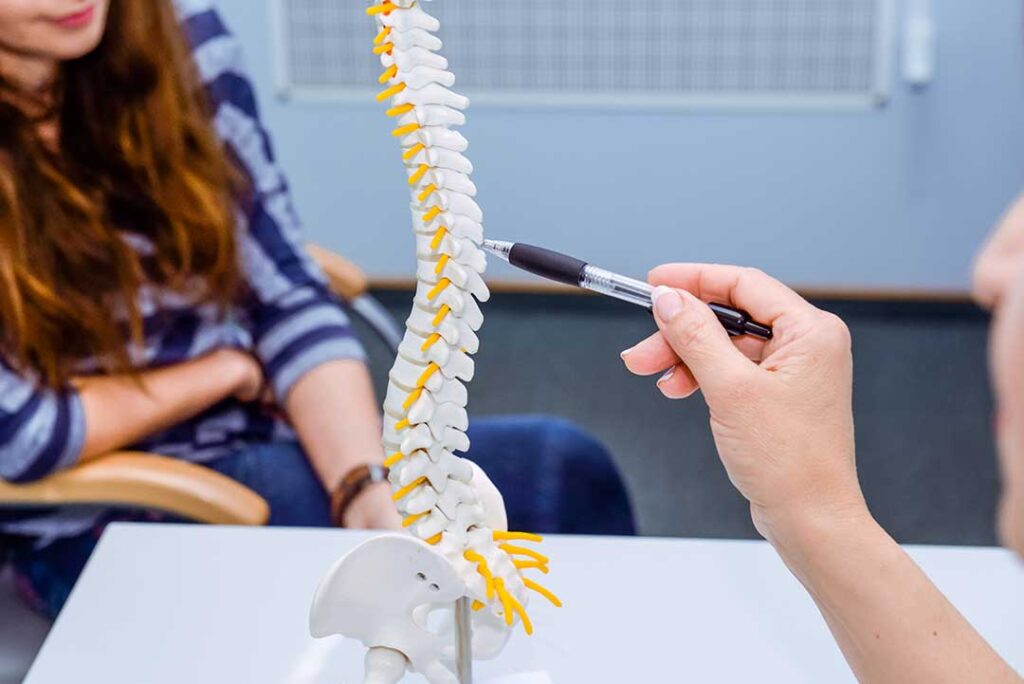
Whiplash after an accident can cause neck pain, stiffness, headaches, dizziness, and reduced range of motion. Symptoms may begin immediately, but they can also develop several hours or days later. Residents of Lynbrook, NY, should treat new symptoms after a collision seriously, even if the vehicle damage appears minor.
What exactly is whiplash?
Whiplash is a neck injury caused by a sudden, forceful back-and-forth movement of the head. A rear-impact crash is a common cause, but the injury can also occur during a side-impact collision, fall, sports incident, or other sudden blow.
The motion may strain muscles, ligaments, joints, discs, and nerves in the neck. “Whiplash” is a general description rather than a single diagnosis, so similar symptoms can sometimes result from a fracture, concussion, nerve injury, or another condition that requires different care.
Common symptoms include:
- Neck pain or stiffness
- Pain that worsens when turning or bending the head
- Headaches, often near the base of the skull
- Shoulder, upper-back, or arm pain
- Muscle spasms or tenderness
- Tingling or numbness in an arm or hand
- Dizziness, fatigue, or difficulty concentrating
- Ringing in the ears, blurred vision, or sleep disruption
A person may feel relatively well at the accident scene and become more uncomfortable later. Adrenaline, delayed inflammation, and muscle tightening can make early symptoms less obvious.
What should happen immediately after an accident?
The first priority is safety and medical screening, not stretching or attempting to “loosen” the neck. If the crash was significant, if the head was struck, or if symptoms are present, medical evaluation can help rule out serious injury.
Until the neck has been assessed:
- Avoid forceful neck stretching, cracking, or twisting.
- Do not lift heavy objects or perform strenuous exercise.
- Limit driving if turning the head is painful or restricted.
- Keep notes about when symptoms began and what makes them better or worse.
- Follow any discharge instructions given after emergency or urgent medical care.
People who take blood-thinning medication, have osteoporosis, or have a history of neck surgery should be especially cautious after trauma.
Which symptoms require emergency care?
Emergency evaluation is appropriate for severe or worsening symptoms after an accident. Seek immediate help for:
- Loss of consciousness, confusion, unusual drowsiness, or worsening headache
- Repeated vomiting or seizure
- New weakness, numbness, or loss of coordination
- Trouble walking, sitting upright, speaking, or seeing
- Loss of bladder or bowel control
- Severe neck pain, visible deformity, or inability to move the neck
- An electric-shock sensation traveling into the arms or legs
- Increasing dizziness or fainting
- Clear fluid or blood from the nose or ears

These warning signs may indicate a brain injury, spinal cord problem, fracture, or another emergency rather than uncomplicated muscle strain. A person with possible concussion symptoms should not assume that neck pain explains everything.
Should the neck be rested completely?
Usually, prolonged bed rest and keeping the neck completely still are not helpful for uncomplicated whiplash. After serious injury has been ruled out, gentle movement and a gradual return to ordinary activities are generally preferred.
That does not mean pushing through severe pain. Early activity may include short walks, changing positions regularly, and slowly moving within a comfortable range. Work, household tasks, and screen use may need temporary adjustments if they increase symptoms.
A soft neck collar should not be used routinely unless a qualified medical professional specifically recommends it. Extended immobilization can contribute to stiffness, weakness, and fear of movement.
What can help with pain and stiffness?
Cold or heat may provide short-term comfort. A wrapped cold pack can be used during the first day or two if swelling or acute soreness is present. Later, some people prefer gentle warmth for muscle tightness. Protect the skin and stop if either method increases pain, numbness, or skin irritation.
Over-the-counter pain medication may help, but it is not suitable for everyone. Ibuprofen and other anti-inflammatory medicines can be unsafe for people with certain stomach, kidney, heart, bleeding, or pregnancy-related concerns. Acetaminophen may also require caution in people with liver disease or heavy alcohol use. Follow the label and ask a pharmacist or medical clinician when there is uncertainty.
Sleep positioning can also affect symptoms. A supportive pillow that keeps the head reasonably aligned may be more comfortable than sleeping on the stomach. Avoid repeatedly testing the neck by making painful movements.
Are chiropractic adjustments appropriate after whiplash?
Chiropractic care may include education, exercise guidance, soft-tissue techniques, and other conservative approaches, but forceful manipulation is not appropriate before a serious injury has been evaluated. A careful history and examination should come first, particularly when there is numbness, weakness, severe headache, dizziness, or restricted movement.
Research and clinical practice do not support treating every post-accident neck complaint in the same way. Some people benefit from guided mobility and strengthening, while others need medical, neurological, orthopedic, or physical therapy evaluation. The safest plan depends on the suspected tissue injury, symptom pattern, examination findings, and overall health.
Imaging is not automatically needed for every case, but it may be considered when there is significant trauma, midline spinal tenderness, neurological change, severe limitation of motion, or other risk factors.
How long does recovery usually take?
Many people improve over several weeks, and uncomplicated cases often continue improving within two to three months. Recovery may take longer when pain is severe, symptoms are ignored, movement is avoided for long periods, sleep is poor, or a concussion or nerve problem is also present.
Symptoms that are not improving after about a week, interfere with normal activities, or continue to worsen deserve follow-up. Persistent pain does not necessarily mean permanent damage, but it does justify reassessment and a more specific rehabilitation plan.
What local factors can affect recovery?
Daily routines in a relatively dense suburban community can place repeated demands on the neck. Commuting, sitting in traffic, checking blind spots, carrying groceries, working at a computer, and caring for children may all expose a recovering neck to repeated rotation or sustained posture.
Seasonal conditions can matter as well. Cold weather may increase the perception of muscle tightness, while slippery sidewalks, wet pavement, or winter travel can create additional fall risks. During recovery, use handrails, avoid rushing on icy surfaces, and arrange help with heavy bags or snow-related tasks when needed.
Keeping activity consistent but modest is usually more useful than alternating between complete inactivity and sudden bursts of work. A symptom diary can help identify patterns and communicate clearly during follow-up care.
When is follow-up especially important?
Arrange further evaluation if pain, stiffness, headaches, dizziness, concentration problems, or arm symptoms persist; if medication is not helping; or if returning to work, driving, or normal household activities remains difficult.
A recovery plan may involve coordinated care, such as medical assessment, physical therapy, or carefully selected chiropractic treatment. The central goals are to protect against missed serious injury, restore comfortable movement, rebuild strength, and return gradually to normal activities without provoking repeated flares.
