
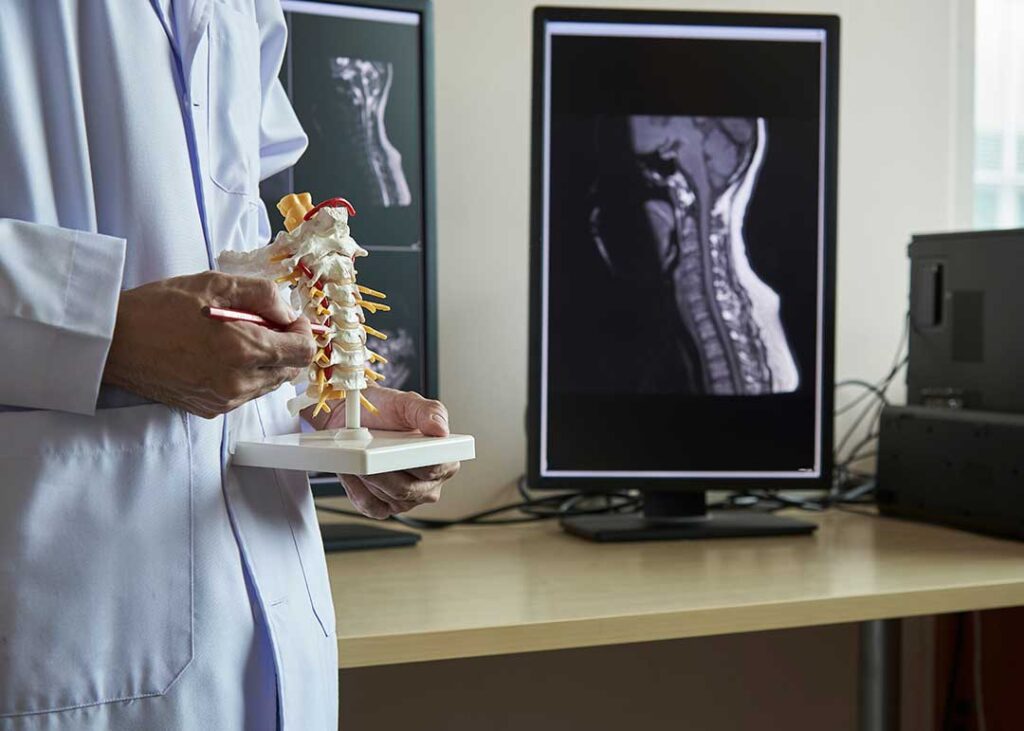
Aging well is less about avoiding every ache and more about preserving the ability to move, balance, work, exercise, and participate in daily life. Chiropractic care may support these goals for some adults by addressing musculoskeletal discomfort and movement limitations, but it works best as one part of a broader healthy-aging plan.
What does healthy aging mean for the musculoskeletal system?
Healthy aging includes maintaining strength, flexibility, balance, walking ability, and confidence with everyday movement. These functions affect ordinary activities such as climbing stairs, carrying groceries, getting in and out of a chair, gardening, driving, and keeping up with family or community activities.
The spine and joints naturally change with age. Discs may lose hydration, muscles may become weaker, and joint surfaces can become less resilient. These changes do not automatically mean that pain or disability is unavoidable. Regular movement, appropriate exercise, adequate sleep, and timely medical care can help protect function.
For residents in Lynbrook, seasonal conditions may also affect mobility. Cold weather, wet pavement, uneven sidewalks, and reduced outdoor activity during winter can contribute to stiffness or deconditioning. A practical aging plan should account for both indoor and outdoor movement throughout the year.
How can chiropractic care support older adults?
Chiropractic care commonly focuses on the spine, joints, muscles, and related movement patterns. Depending on the individual, care may include spinal or joint manipulation, mobilization, soft-tissue techniques, posture guidance, stretching, and exercise recommendations.
The most realistic goal is not to “reverse aging.” It is to help reduce certain types of musculoskeletal pain or stiffness and make comfortable movement easier. For example, an older adult with uncomplicated low back pain may find that improved mobility makes it easier to walk, perform strengthening exercises, or complete household tasks.
Chiropractic care may be considered for problems such as:
- Mechanical low back pain
- Neck or upper-back stiffness
- Some types of joint-related discomfort
- Muscle tightness associated with limited movement
- Movement restrictions that interfere with daily activities
The likely benefit depends on the source of symptoms, general health, medications, bone strength, previous injuries, and activity level. Not every condition responds to the same approach.
Can chiropractic care improve balance or prevent falls?
Chiropractic treatment alone should not be viewed as a complete fall-prevention program. Balance depends on several systems, including leg strength, vision, inner-ear function, reaction time, footwear, medications, and the safety of the home environment.
Care that improves comfort or joint mobility may make it easier to participate in balance and strengthening exercises. Those exercises are more directly connected to maintaining physical function and reducing fall risk.
A well-rounded routine may include:
- Walking or another form of moderate aerobic activity
- Leg and hip strengthening
- Balance practice performed near a stable support
- Flexibility work suited to the individual
- Gradual practice rising from a chair, stepping, and changing direction
Anyone with repeated falls, sudden dizziness, fainting, new weakness, or a significant change in walking ability needs medical evaluation rather than relying on manual care alone.
Is spinal manipulation safe for older adults?
Spinal manipulation is generally considered low risk for many people when performed appropriately, but age-related conditions can change the safety assessment. Temporary soreness, stiffness, or discomfort can occur after treatment.
Older adults should be screened carefully for factors such as osteoporosis, recent fractures, spinal instability, inflammatory disease, cancer, blood-clotting problems, neurological symptoms, and medications that affect bleeding or bone health. A history of surgery or serious trauma also matters.
More forceful techniques may not be appropriate for someone with fragile bones or certain medical conditions. Treatment should be adapted to the person rather than based on age alone.
Prompt medical attention is appropriate for symptoms such as:
- New loss of bladder or bowel control
- Progressive weakness or numbness
- Severe pain after a fall
- Unexplained weight loss with persistent pain
- Fever combined with significant back or neck pain
- New trouble speaking, seeing, swallowing, or walking
- Sudden severe headache or neurological changes
These symptoms may indicate a condition requiring urgent medical assessment.
What should older adults ask before receiving care?
A useful conversation should clarify what the treatment is intended to address and how progress will be measured. Questions may include:

- What is the likely source of the pain or movement problem?
- Is examination or imaging needed before treatment?
- Which techniques are appropriate given bone health and medications?
- What changes should be expected, and over what period?
- What exercises or daily activities can support recovery?
- What symptoms would require medical evaluation?
- How will treatment be adjusted if symptoms worsen?
A clear care plan should include more than repeated treatment sessions. It should explain how the person can safely remain active and whether coordination with a primary care clinician, physical therapist, orthopedist, or other healthcare professional is appropriate.
How does chiropractic care fit with exercise?
Exercise is a central part of healthy aging because it supports muscle strength, cardiovascular health, coordination, bone loading, and independence. Manual treatment may help someone move more comfortably, but long-term function usually depends on gradually building capacity.
An older adult who has been inactive may begin with short walks, gentle range-of-motion exercises, or supported strength movements. Progress should be gradual. Pain that is mild and settles quickly may be manageable, while sharp, escalating, or persistent pain deserves reassessment.
Home-based movement can be especially useful during icy or rainy conditions. Clear walking paths, secure railings, adequate lighting, and stable footwear reduce hazards when outdoor activity is limited. Household routines such as standing during television breaks, taking brief indoor walks, or practicing controlled sit-to-stand movements can help reduce long periods of inactivity.
Can chiropractic care replace medical care?
No. Chiropractic care does not replace evaluation for arthritis, osteoporosis, nerve compression, fractures, infections, cancer, cardiovascular problems, or other medical conditions. It also does not substitute for medication review, vision checks, bone-health assessment, vaccination, nutrition, or fall-risk screening.
The most appropriate role is often supportive: helping manage selected musculoskeletal problems while the person continues evidence-based exercise and receives routine medical care. Communication among healthcare professionals is especially important when symptoms are persistent, complex, or changing.
What is a sensible approach to aging well?
A practical plan begins with identifying the activities that matter most, such as walking comfortably, managing stairs, lifting household items, or remaining active outdoors. From there, treatment and exercise can be matched to the person’s abilities, health history, and goals.
For many older adults, healthy aging is supported by a combination of:
- Regular strength, balance, flexibility, and aerobic activity
- Safe progression rather than sudden increases in exercise
- Attention to footwear, lighting, stairs, and wet or icy walking surfaces
- Adequate nutrition, hydration, and sleep
- Review of medications that may cause dizziness or drowsiness
- Prompt evaluation of new, severe, or unexplained symptoms
Chiropractic care may help some residents remain more comfortable and mobile, particularly when symptoms are musculoskeletal and treatment is carefully adapted. Its value is greatest when it supports—not replaces—the broader work of maintaining strength, balance, independence, and safe daily movement.
