
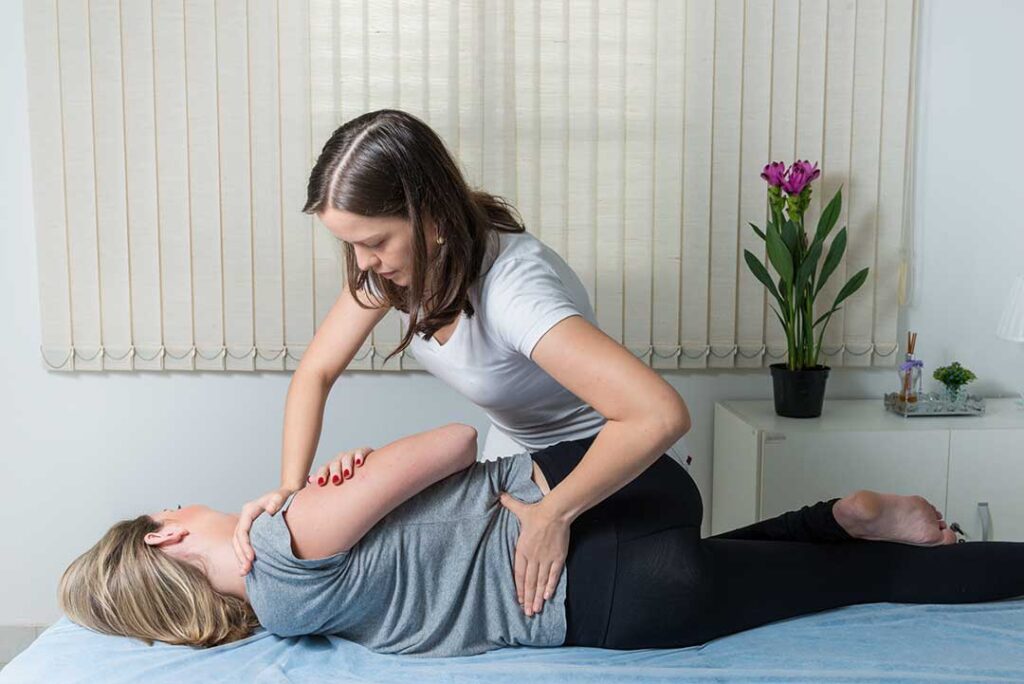
Sciatica can cause sharp, burning, or electric-like pain that travels from the lower back or buttock into the thigh and sometimes the calf or foot. For residents of Lynbrook, NY, symptoms may become more noticeable after long periods of sitting, lifting household items, commuting, or moving through icy conditions.
Many mild cases improve with conservative care. The most useful approach is usually a combination of gentle movement, temporary activity changes, comfortable positioning, and attention to warning signs.
What does sciatica feel like?
Sciatica is irritation or compression of the sciatic nerve or one of the nerve roots that form it. It commonly affects one side of the body.
Typical symptoms include:
- Pain that travels from the lower back or buttock down the leg
- Tingling, pins-and-needles, or burning
- Numbness in part of the leg or foot
- Weakness that makes walking, climbing stairs, or lifting the foot more difficult
Back pain alone is not necessarily sciatica. Pain that spreads into the leg, particularly below the knee, is more suggestive of nerve involvement. A disc problem, narrowing around the spinal nerves, arthritis-related changes, or muscle irritation can contribute.
Should you use ice or heat?
Both cold and warmth may help, but they are used differently. Cold can be useful during the first day or two after a flare, particularly if the area feels irritated after lifting, bending, or unusual activity. Apply a wrapped cold pack for about 15 to 20 minutes at a time. Do not place ice directly on the skin.
Heat may help loosen muscle tightness and make movement more comfortable. A warm shower, heating pad on a low setting, or warm compress can be used for short periods. Avoid falling asleep with a heating pad, and check the skin regularly, especially if numbness makes it difficult to feel temperature accurately.
Some people prefer alternating cold and heat. The better choice is the option that reduces discomfort without increasing symptoms.
Is walking helpful for sciatica?
Gentle walking is often more helpful than prolonged bed rest. Short, easy walks can prevent stiffness and maintain normal movement without placing the body in one position for too long.
Start with a few minutes on a level surface and increase gradually if symptoms do not worsen. If walking outdoors is difficult because of snow, ice, or uneven pavement, brief indoor walking and frequent position changes can be safer. Avoid carrying heavy bags or walking through conditions that make you tense your back.
A useful rule is that mild discomfort may be acceptable, but increasing leg pain, spreading numbness, or new weakness means the activity should be reduced or stopped.
Which stretches are safe?
Gentle stretching may help some people, but there is no single stretch that works for every cause of sciatic pain. Stretching should feel mild and controlled, never forced.
Possible options include:
- Lying on the back with the knees bent and slowly allowing both knees to move a small distance from side to side
- Bringing one knee toward the chest only as far as comfortable
- Gently stretching the buttock while lying on the back
- Performing slow pelvic tilts with the knees bent
Hold a comfortable stretch for approximately 15 to 30 seconds and avoid bouncing, jerking, or twisting. If a stretch increases pain farther down the leg, creates more tingling, or causes lingering symptoms, discontinue it.
During a painful flare, strengthening exercises may need to wait until movement is easier. Later, gradual strengthening of the abdomen, hips, and back can help improve tolerance for daily activities.
How should you sit and sleep?
Long periods of sitting can aggravate sciatic symptoms, especially in soft couches or low chairs. Choose a firm, supportive seat when possible. Keep both feet supported, avoid crossing the legs for long periods, and change position every 20 to 30 minutes.
A small rolled towel behind the lower back may improve comfort, but it should not force the spine into an exaggerated arch. When working at home, position screens at a comfortable height and keep frequently used items within easy reach to limit repeated bending.
For sleep, lying on the side with a pillow between the knees may reduce strain. Some people are more comfortable on the back with a pillow under the knees. The best position is the one that allows restful sleep without increasing leg symptoms.
Can over-the-counter medicine help?
Nonprescription anti-inflammatory medicines, such as ibuprofen or naproxen, may reduce pain for some adults, but they are not appropriate for everyone. People with a history of stomach ulcers, kidney disease, certain heart conditions, uncontrolled blood pressure, blood-thinning medication use, or pregnancy should ask a qualified healthcare professional before using them.
Acetaminophen may help some types of pain but does not reduce inflammation and may not be effective for nerve-related symptoms. Follow the product label and avoid combining medicines that contain the same ingredient.
Herbal supplements and topical remedies are not automatically risk-free. Supplements may interact with prescription medicines, and creams should not be applied to numb or irritated skin without checking safety information.
Do chiropractic care, massage, or acupuncture help?
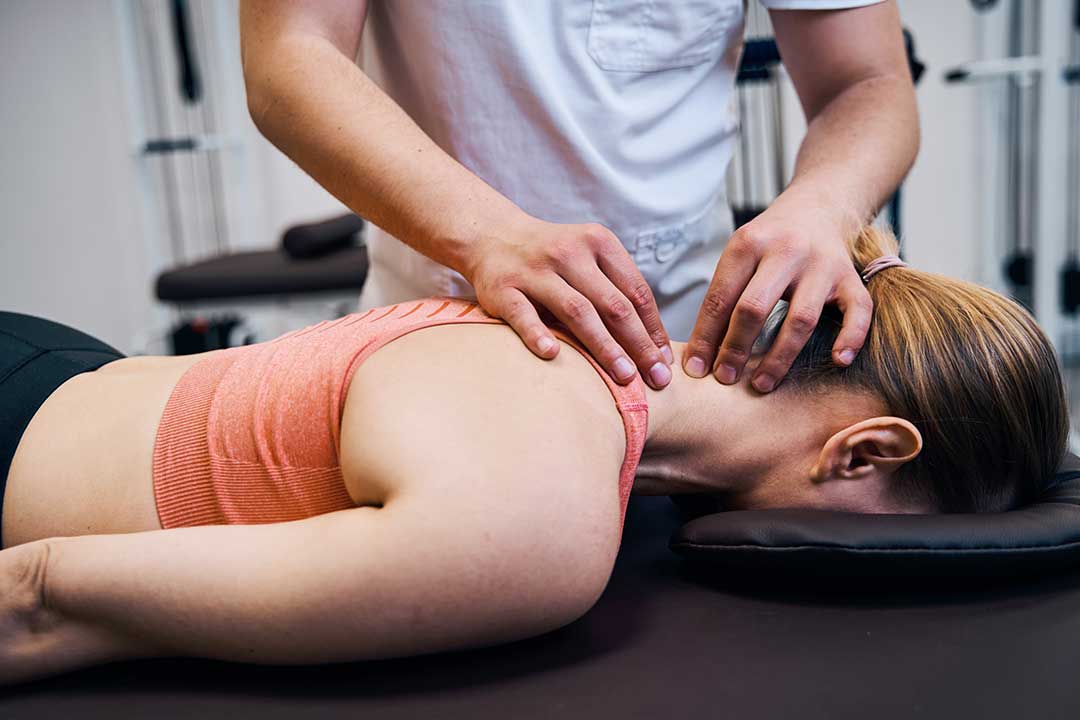
Some people experience short-term relief from manual therapy, massage, acupuncture, or guided exercise. These approaches may be considered as part of a broader plan when serious causes have been ruled out.
Treatment should be adapted to the person’s symptoms. Forceful twisting, aggressive stretching, or any technique that causes increasing leg pain, numbness, or weakness is not appropriate. A careful evaluation is especially important when symptoms are new, severe, or changing quickly.
Imaging is not automatically needed for every case. It is more likely to be considered when symptoms persist, significant weakness develops, there has been major trauma, or warning signs suggest another condition.
When is sciatica an emergency?
Seek immediate medical attention for:
- New loss of bladder or bowel control
- Numbness around the inner thighs, groin, or saddle area
- Severe or worsening weakness in one or both legs
- Sciatica affecting both legs with significant numbness or weakness
- Back or leg pain after a serious fall or collision
- Fever, unexplained weight loss, or a history of cancer combined with new back pain
These symptoms can indicate serious nerve compression or another medical problem that should not be managed with home remedies alone.
For less urgent symptoms, further evaluation is reasonable when pain continues beyond several weeks, repeatedly returns, disrupts sleep, or makes normal walking and daily tasks difficult. Most uncomplicated episodes improve gradually, but persistent or progressive symptoms deserve a more specific assessment.
