
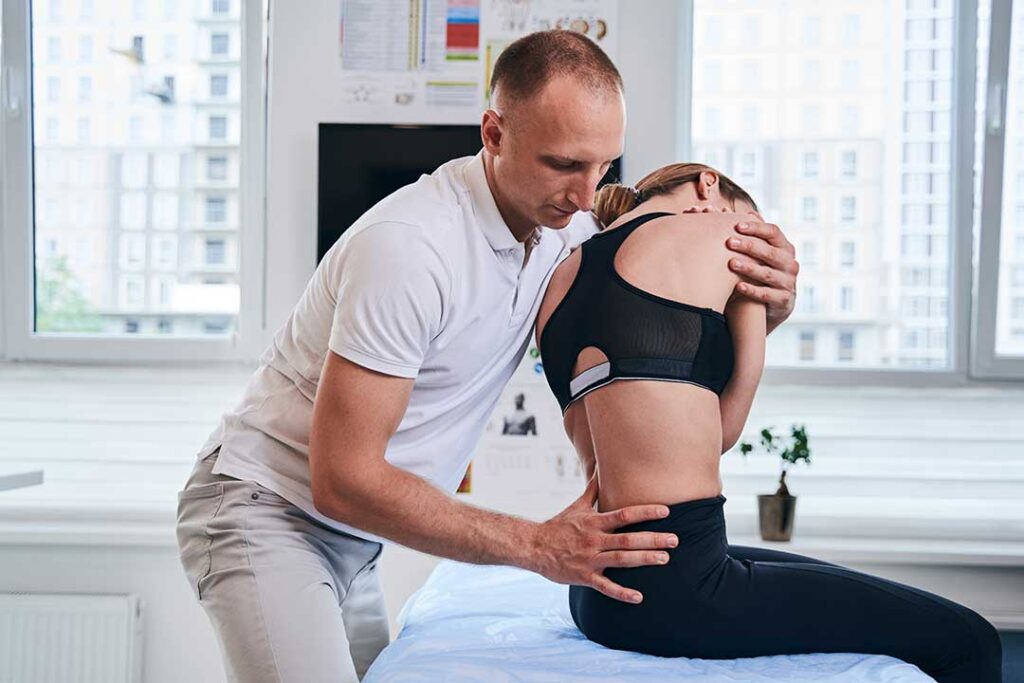
Minor aches are easy to dismiss, especially when work, family responsibilities, commuting, and household tasks leave little time to think about them. A sore back after lifting, a stiff neck after screen use, or a nagging knee ache may seem harmless. Sometimes these symptoms do improve on their own, but recurring or gradually worsening discomfort can signal that the body is not recovering well.
For residents of Lynbrook, NY, understanding when to monitor pain, when to change daily habits, and when to seek an evaluation can help prevent a small problem from becoming a lasting limitation.
Why can a minor ache become a bigger problem?
Aches often begin with a manageable strain, repetitive movement, awkward posture, sudden increase in activity, or insufficient recovery. The original irritation may be mild, but people frequently continue the same activity without allowing the affected tissues time to settle.
For example, a person may develop low back discomfort after moving furniture, then keep bending, lifting, or sitting for long periods. A neck ache may begin after several evenings using a laptop or phone and continue because the same posture is repeated daily. Over time, the body may respond with muscle guarding, reduced movement, and greater sensitivity.
Ignoring pain does not always cause permanent damage, but it can make it harder to identify what is aggravating the area. It may also lead to compensating movements, such as shifting weight away from a sore knee or turning the body differently to avoid back discomfort.
What types of pain should not be ignored?
Pain deserves closer attention when it is persistent, recurrent, worsening, or associated with changes in strength or sensation. The intensity of pain is only one part of the picture.
Pay attention if an ache:
- Returns repeatedly after the same activity
- Lasts longer than expected after a minor strain
- Gradually becomes more frequent or intense
- Limits walking, lifting, reaching, sleeping, or ordinary household tasks
- Spreads into an arm or leg
- Occurs with numbness, tingling, or weakness
- Is accompanied by swelling, redness, warmth, or reduced joint motion
- Is worse at night or continues even when resting
A mild pain that steadily improves is generally less concerning than a mild pain that remains unchanged for weeks. Symptoms that interfere with normal movement also deserve attention, even if the discomfort itself is not severe.
Could everyday routines in Lynbrook contribute to discomfort?
Daily habits often matter more than a single isolated movement. In a densely settled community such as Lynbrook, many residents balance driving or public transportation, desk work, stairs, home maintenance, childcare, and limited space for exercise. These routines can create repeated demands on the same joints and muscle groups.
Seasonal conditions may also influence symptoms. Cold weather can make some people feel stiffer, while snow or ice may lead to cautious walking, slips, or sudden changes in footing. Warmer months may bring a quick increase in gardening, yard work, recreational activity, or outdoor projects after a relatively inactive winter.
The issue is not that these activities are harmful. Problems are more likely when activity increases abruptly, technique changes, or recovery is overlooked. Alternating tasks, taking brief movement breaks, and increasing physical demands gradually can reduce unnecessary strain.
What can be done at home for a mild ache?
For a recent, uncomplicated ache, gentle movement is often more useful than complete inactivity. Short walks, comfortable range-of-motion exercises, and changing position regularly may help prevent stiffness. Activities that clearly increase pain should be reduced temporarily rather than forced through.
Other reasonable self-care measures may include:
- Using cold during the early phase of swelling or after a minor injury
- Trying gentle warmth for stiffness or muscle tightness
- Adjusting work surfaces, chair height, or screen position
- Avoiding repeated heavy lifting until movement is comfortable
- Supporting regular sleep and hydration
- Returning to exercise gradually rather than resuming full intensity immediately
Over-the-counter pain medicines can help some people, but they are not appropriate for everyone. Medication interactions, kidney disease, stomach ulcers, blood thinners, pregnancy, and other health conditions can affect what is safe. A pharmacist or medical clinician can help clarify medication questions.
Complete bed rest is usually not helpful for ordinary back or joint discomfort. However, staying active does not mean ignoring sharp pain or pushing through symptoms that are worsening.
When should someone seek an evaluation?
An evaluation is sensible when pain does not improve with reasonable self-care, repeatedly returns, or begins to affect daily function. The purpose is not simply to label the pain. A careful assessment can consider movement, strength, sensation, recent activity, previous injuries, medications, and other health factors.
Depending on the symptoms, appropriate care may involve a primary care clinician, physical therapist, chiropractor, orthopedic clinician, or another qualified health professional. Chiropractic assessment may focus on musculoskeletal causes involving the spine, joints, muscles, and movement patterns. It should be part of a broader health decision, particularly when symptoms are unusual, severe, or accompanied by signs that may require medical testing.

A provider should also know about a history of osteoporosis, cancer, significant trauma, infection, long-term steroid use, or unexplained weight loss. These factors can change how pain should be evaluated.
Which warning signs require prompt medical attention?
Some symptoms should not be managed solely at home. Prompt medical care is warranted for pain associated with:
- New or increasing weakness
- Numbness or tingling that is spreading or persistent
- Loss of bladder or bowel control
- Difficulty urinating
- Fever or feeling acutely ill
- Severe pain after a fall, collision, or other injury
- Rapidly worsening pain
- Unexplained weight loss
- Significant swelling, deformity, or inability to bear weight
Chest pressure, shortness of breath, fainting, or pain spreading to the jaw or arm requires emergency attention rather than a musculoskeletal evaluation. Similarly, severe abdominal pain with back pain should not be assumed to be a spine problem.
How can residents track a recurring ache?
A brief symptom record can reveal patterns that are difficult to notice from memory. Write down:
- Where the pain occurs
- When it began and how often it appears
- What activities make it better or worse
- Whether it spreads
- Any numbness, tingling, weakness, swelling, or fever
- How it affects sleep and daily movement
This information can help distinguish a one-time overload from a recurring issue related to posture, repetitive work, footwear, exercise habits, or an underlying condition.
Minor pain is not automatically dangerous, but it is still useful information. Monitoring changes, maintaining comfortable movement, adjusting aggravating routines, and recognizing warning signs can help residents respond before discomfort becomes a more disruptive part of daily life.
