
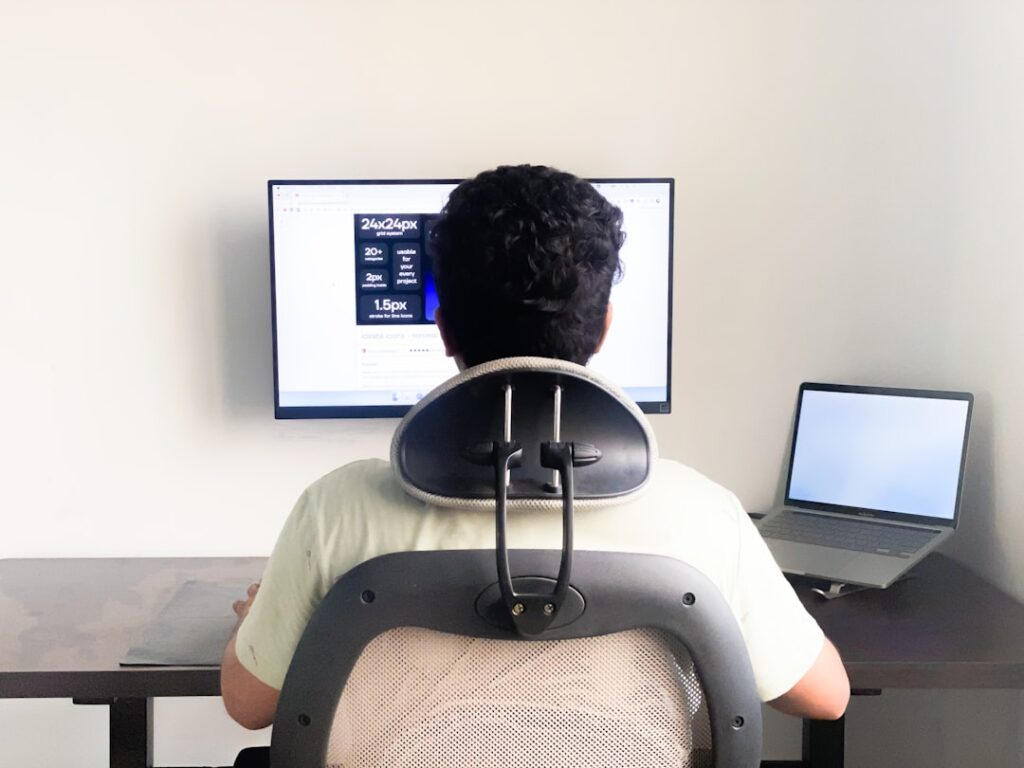
For many working professionals in Lynbrook, New York, the typical day involves sitting at a desk for hours on end—answering emails, conducting virtual meetings, and completing reports. While a desk job may sound safe compared to more physically demanding careers, it often comes with its own set of silent health hazards. Recognizing and addressing desk job injuries is crucial for maintaining a healthy lifestyle and ensuring long-term wellbeing.
Understanding Desk Job Injuries
Desk job injuries, often termed “repetitive strain injuries” or “ergonomic injuries,” stem from prolonged periods of poor posture, repetitive movements, and lack of physical activity. These injuries develop gradually and can significantly disrupt daily life if not managed or prevented early.
Common Injuries Among Desk Workers in Lynbrook
- Neck and shoulder pain: Often caused by leaning forward towards the screen, slouching, or poor home office ergonomics.
- Back pain: A frequent complaint linked to unsupportive chairs or sitting for extended periods without proper lumbar support.
- Wrist and hand strain: Resulting from repetitive keyboard and mouse use, which can lead to conditions like carpal tunnel syndrome.
- Eye strain: Staring at monitors all day can cause digital eye fatigue, headaches, and blurred vision.
With Lynbrook being home to a thriving community of commuters and remote employees, these conditions are increasingly common.
Why Desk Job Injuries Are Prevalent in Lynbrook
Lynbrook’s close proximity to New York City makes it a hub for professionals who often work long office hours—either at home or in corporate settings across the region. The rise in remote work has also seen many residents convert kitchens and living areas into makeshift offices, sometimes neglecting proper ergonomics due to space and budget constraints.
Additionally, local weather—especially during colder months—can limit outdoor activity, making it even more likely for residents to spend longer hours seated inside.
Recognizing the Warning Signs
Recognizing the earliest signs of desk job injuries can make a significant difference in preventing chronic pain or mobility issues. Some symptoms to watch for include:
- Persistent aches or stiffness in the back, neck, or shoulders
- Occasional numbness or tingling in the fingers and wrists
- Frequent headaches, especially after long work sessions
- Fatigue, eye strain, or difficulty focusing
It's important for Lynbrook professionals to listen to their bodies and act early—don’t wait until discomfort turns into pain.
Practical Steps to Prevent Desk Job Injuries
Taking proactive steps can greatly reduce the likelihood of long-term injuries from your desk job. Here’s what works best in Lynbrook’s unique environment:
1. Optimize Your Workstation Ergonomics
- Chair: Invest in a chair that provides good lumbar support and allows you to keep your feet flat on the ground.
- Monitor height: The top edge of your monitor should be at eye level.
- Keyboard and mouse: Position these so your wrists are straight, with elbows at about a 90-degree angle.
- Lighting: Take advantage of natural light, but avoid glare. Use adjustable task lighting to reduce eye strain.
- Frequent breaks: Follow the 20-20-20 rule—every 20 minutes, look at something 20 feet away for 20 seconds.
2. Move Regularly
Living in Lynbrook gives you access to beautiful parks like Greis Park and the Lynbrook Village Green, which are perfect for walking breaks or quick stretches during your lunch hour. Even if you work remotely, make it a habit to stand, stretch, or take short walks around the block to keep your muscles engaged.
3. Incorporate Desk-Friendly Exercises

Gentle stretches and exercises can be performed right at your desk:
- Neck rolls and shoulder shrugs
- Seated spinal twists
- Wrist and finger stretches
- Calf raises while standing during calls
These micro-movements encourage circulation and keep your joints from stiffening up.
4. Manage Stress
Chronic stress can actually intensify pain sensations and slow healing. Take advantage of local yoga studios in Lynbrook, pursue mindful meditation, or simply take time to step outside and enjoy a breath of fresh air. Reducing stress can help mitigate muscle tension and improve overall health.
Addressing Desk Job Injuries: When to Seek Help
If you’ve taken steps to improve your ergonomics and daily routine but still struggle with persistent pain, it may be time to consult a healthcare professional. Chiropractic care, physical therapy, and ergonomic assessments are valuable resources for Lynbrook residents.
Chiropractors can assess your posture, spinal alignment, and workplace setup to recommend specific adjustments or therapies. Early intervention can prevent more serious chronic conditions from developing.
Lynbrook Resources for Desk Workers
The Lynbrook community offers multiple resources that support desk-bound professionals:
- Local wellness centers and gyms: Many offer group fitness and stretching classes tailored for office workers.
- Community walks and fitness events: Participate in local activities that encourage movement and social engagement, easily found through Lynbrook’s Parks and Recreation Department.
- Health education seminars: Keep an eye out for webinars or talks about workplace health offered by local organizations.
Conclusion: Prioritize Your Health Amid a Busy Desk Job
While most Lynbrook professionals seek desk jobs for the convenience and stability they offer, it’s important not to overlook the potential physical costs of sitting for hours every day. By recognizing early warning signs, optimizing your workspace, and keeping physically and mentally active, you can prevent and address common desk job injuries before they become serious problems.
If you or someone you know in Lynbrook experiences persistent discomfort or pain while working at a desk, don’t hesitate to seek professional advice. A few small changes can make a substantial difference in your wellbeing and productivity—so you can keep thriving at work without sacrificing your health.
