

Scoliosis is a sideways and often rotating curvature of the spine. Chiropractic care may help some people manage related discomfort, stiffness, or movement limitations, but current evidence does not show that spinal adjustments can reliably straighten a scoliosis curve or prevent it from progressing.
That distinction matters. Managing symptoms and treating the underlying spinal curvature are not the same goal. A thoughtful care plan depends on age, curve size, symptoms, physical development, and whether the curve is changing over time.
What is scoliosis?
Scoliosis is a structural condition in which the spine curves abnormally from side to side and may also rotate. It can develop during childhood or adolescence, appear in adulthood as a degenerative change, or result from another medical or neuromuscular condition.
Some curves are mild and cause no noticeable symptoms. Others may contribute to:
- Uneven shoulders, hips, or waistlines
- A prominent shoulder blade or rib area
- Back fatigue after standing or sitting
- Muscle tightness on one side of the body
- Reduced tolerance for walking, lifting, or household activities
- Pain related to arthritis, discs, muscles, or irritated nerves
Scoliosis is not simply poor posture. A person may look uneven because of posture, leg-length differences, muscle guarding, or another condition without having a structural spinal curve. A proper evaluation is needed before assuming scoliosis is present.
Can chiropractic adjustments correct scoliosis?
For most forms of scoliosis, chiropractic adjustments should not be presented as a proven method for correcting the curve. Research has not established that manipulation can permanently reduce a structural curve, stop progression, or replace observation, bracing, or surgery when those treatments are appropriate.
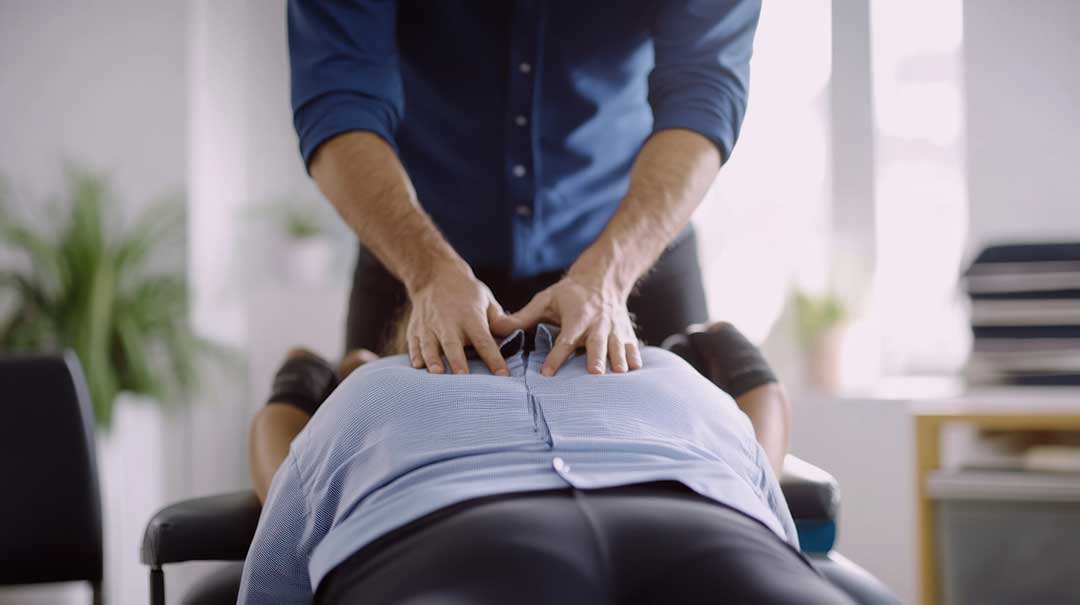
Chiropractic treatment may still have a limited supportive role. Gentle manual techniques, mobility work, and exercise guidance may help reduce muscle tension or improve short-term comfort. Those effects relate mainly to pain and function rather than changing the shape of the spine.
A useful question is: What is the specific treatment goal?
If the goal is to sleep more comfortably, move with less stiffness, or tolerate daily activities, conservative care may be one part of symptom management. If the goal is to reduce a measured curve in a growing child, routine spinal adjustments should not be considered a substitute for scoliosis monitoring by a qualified medical team.
When might chiropractic care be considered?
Adults with stable scoliosis sometimes seek help for back pain, hip discomfort, or stiffness. In those situations, a conservative plan may include activity modification, strengthening, mobility exercises, and carefully selected hands-on care.
Treatment should be adapted to the person rather than based only on the presence of a curved spine. Factors that may affect safety and usefulness include:
- Osteoporosis or a history of spinal fracture
- Numbness, weakness, or radiating leg pain
- Spinal stenosis, arthritis, or disc problems
- Previous spinal surgery
- Pregnancy
- Use of blood-thinning medication
- A rapidly changing curve or unexplained severe pain
High-velocity or forceful techniques may not be appropriate for everyone. A clinician should review relevant medical history, prior imaging, medications, and symptoms before using them.
What treatment is appropriate for children and teenagers?
Children and teenagers who are still growing need particular attention because some curves can progress during growth spurts. The risk depends on factors such as the child’s age, skeletal maturity, curve size, and curve pattern.
Common medical approaches include:
- Observation: Smaller curves may be checked periodically with physical examinations and, when appropriate, imaging.
- Bracing: A brace may be recommended for certain moderate curves in children who are still growing. Its purpose is generally to reduce the chance of progression, not to provide instant correction.
- Surgery: Larger or progressively worsening curves may require evaluation by a spinal specialist to discuss surgical options.
Exercise and physical therapy may help with strength, breathing mechanics, posture, body awareness, and comfort. However, families should be cautious about claims that a particular adjustment program can “realign” the spine or eliminate the need for recommended monitoring.
A child should not be kept out of ordinary activity solely because scoliosis has been identified unless a clinician has given specific restrictions. Walking, school participation, recreation, and age-appropriate exercise are often encouraged.
What can adults do at home?
Adults with scoliosis often benefit from maintaining general strength and mobility rather than protecting the back through prolonged inactivity. Helpful habits may include:
- Taking short movement breaks during desk work or long periods of sitting
- Building walking, resistance, or water-based exercise gradually
- Strengthening the hips, legs, abdomen, and back under suitable guidance
- Using lifting methods that avoid sudden twisting while carrying heavy objects
- Adjusting sleep or work positions for comfort rather than trying to force the spine into a rigid posture
- Tracking which activities increase or reduce symptoms
Seasonal routines can affect symptoms in Lynbrook. Cold weather may lead people to spend more time indoors and sit longer, while snow, ice, or wet surfaces can increase the risk of slips and sudden twisting. Clearing walkways, using stable footwear, and avoiding hurried lifting after a storm are practical ways to reduce strain.
Home exercises should not produce increasing leg weakness, loss of coordination, or sharp radiating pain. A program that repeatedly worsens symptoms needs reassessment.
When should someone seek medical evaluation?
New or worsening symptoms deserve more than routine self-care. Prompt medical assessment is especially important for:
- Progressive weakness or numbness
- Loss of bladder or bowel control
- Numbness around the groin or inner thighs
- Severe pain after a fall or collision
- Fever, unexplained weight loss, or persistent night pain
- Difficulty breathing associated with a significant spinal deformity
- A noticeable change in a child’s back, shoulders, or hips
A rapidly increasing curve, particularly in a growing child, should be evaluated rather than managed only with symptom-relief treatment. Depending on the situation, assessment may involve a primary care clinician, orthopedist, physical therapist, or other spine specialist.
How is scoliosis monitored?
A clinician may examine shoulder and hip symmetry, spinal movement, leg length, neurologic function, and the appearance of the back during forward bending. When scoliosis is suspected, standing spinal X-rays may be used to measure the curve in degrees.
The measurement is only one part of decision-making. Age, growth remaining, symptoms, curve location, and change over time also matter. A single image cannot always predict what will happen next, and repeated imaging should be based on a clear clinical reason.
For residents seeking chiropractic care, the most reliable approach is to treat it as possible support for comfort and function—not as a replacement for diagnosis, curve monitoring, bracing when indicated, or specialist evaluation. Clear communication among the people involved in care helps prevent delayed treatment and unrealistic expectations.
