

Chronic pain can affect movement, sleep, concentration, mood, and everyday tasks. Self-care cannot replace evaluation of an underlying condition, but consistent daily habits may help reduce flare-ups, protect function, and make symptoms more manageable.
Chronic pain generally refers to pain lasting three months or longer. It may involve the back, neck, shoulders, joints, nerves, or several areas at once. The cause can include arthritis, an old injury, nerve irritation, inflammation, repetitive strain, or a condition that requires medical treatment.
What is the most helpful first step for managing chronic pain?
The most useful starting point is to understand the pattern of the pain rather than reacting only when it becomes severe. A simple symptom record can reveal connections between discomfort, activity, sleep, stress, and posture.
For one or two weeks, record:
- Where the pain occurs and how intense it feels
- What activities increase or relieve it
- How long sitting, standing, walking, or driving affects symptoms
- Sleep quality and waking stiffness
- Numbness, tingling, weakness, swelling, or changes in balance
- Medications, home exercises, or other approaches being used
This information can help distinguish a temporary flare from a worsening problem. It also gives a healthcare professional more useful details than a general description such as “my back always hurts.”
How can movement help without making pain worse?
Gentle, regular movement is usually more useful than prolonged rest. Avoiding all activity can lead to stiffness, reduced strength, and greater sensitivity to normal physical demands. The goal is not to push through sharp or escalating pain. The goal is to maintain comfortable motion and gradually build tolerance.
Suitable starting activities may include:
- Short walks at an easy pace
- Gentle range-of-motion exercises
- Light stretching that does not cause sharp pain
- Water-based exercise
- Basic strengthening using body weight or light resistance
Begin with a manageable amount, such as five to ten minutes, and increase gradually if symptoms remain stable. Breaking activity into several brief periods may work better than completing one long session.
A common mistake is the “good day, overdo it, bad day” cycle. Someone may feel better and immediately take on heavy cleaning, yard work, long errands, or intense exercise. The resulting flare can last for days. Pacing means stopping before symptoms sharply increase and spreading demanding tasks across the week.
How should sitting and household activities be adjusted?
Small changes in daily positioning may reduce strain, especially for people who work at a desk, commute, study, or spend extended periods using a phone. No single posture is ideal for hours at a time. Frequent position changes are more practical than trying to hold a rigid “perfect” posture.
Every 30 to 60 minutes, consider standing, walking briefly, or changing position. Keep frequently used items within easy reach so that repeated bending, twisting, or overhead reaching is limited.
At home, chronic pain may become more noticeable during seasonal tasks such as shoveling, carrying wet clothing, moving outdoor items, or preparing a home for colder weather. Use smaller loads, alternate sides when carrying, and avoid lifting while twisting. For heavier objects, divide the load or get assistance rather than testing a painful area.
When lifting, keep the object close to the body, bend through the hips and knees as comfortable, and move smoothly. Sudden jerking is more likely to aggravate symptoms than controlled movement.
Can sleep and stress affect chronic pain?
Yes. Poor sleep and ongoing stress can increase pain sensitivity, muscle tension, fatigue, and difficulty coping with symptoms. Pain may also interfere with sleep, creating a cycle that is difficult to break.
Helpful sleep habits include keeping a consistent wake time, limiting stimulating activities before bed, and using a supportive position that does not increase symptoms. If lying on the side, a pillow between the knees may reduce strain for some people. If lying on the back, a pillow under the knees may feel more comfortable. These positions are not universal; comfort and symptom response should guide the choice.
Stress-management practices do not mean that pain is imaginary. Slow breathing, progressive muscle relaxation, mindfulness, light stretching, and calming music may help reduce the body’s stress response. Even five minutes can be useful when practiced regularly.
Are heat and cold useful for flare-ups?
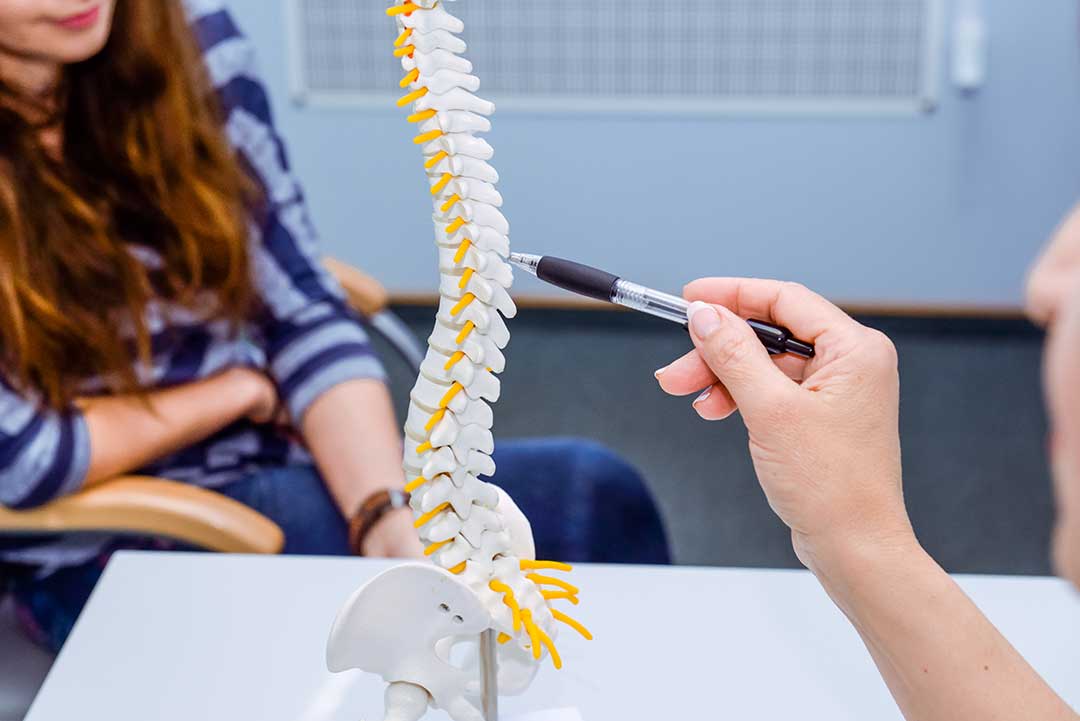
Heat may help stiffness and muscle tightness, while cold may temporarily reduce soreness after an activity-related flare. Neither approach treats every cause of chronic pain, and neither should be used to mask symptoms while continuing a damaging activity.
Use a barrier between the skin and the heat or cold source. Keep sessions brief, check the skin regularly, and avoid sleeping with a heating device in place. People with reduced sensation, circulation problems, or certain medical conditions should ask a healthcare professional whether heat or cold is safe.
What role can chiropractic care or other hands-on approaches play?
Chiropractic care, manual therapy, massage, exercise instruction, and other non-drug approaches may help some people with certain musculoskeletal conditions, particularly when combined with active self-management. Benefits and risks vary according to the diagnosis, health history, and technique.
Hands-on care should not be treated as a cure for every type of pain. It also should not replace evaluation when symptoms suggest infection, fracture, nerve compression, inflammatory disease, or another serious condition. A reasonable plan focuses on improving movement and daily function rather than creating dependence on repeated passive treatment.
Tell every healthcare provider about treatments, supplements, exercises, and medications being used. This helps avoid conflicting advice and makes it easier to identify what is helping.
Should pain medicines or supplements be part of self-care?
Over-the-counter pain medicines can cause side effects and may interact with other medications or health conditions. Follow label directions and ask a pharmacist or healthcare professional before using them regularly, especially with a history of stomach ulcers, kidney disease, liver disease, heart disease, high blood pressure, pregnancy, or blood-thinning medication.
Supplements marketed for pain are not automatically safe because they are labeled “natural.” Product quality, dosing, and evidence vary. Do not use supplements to postpone evaluation of persistent or worsening symptoms.
When does chronic pain require prompt medical attention?
Seek urgent medical evaluation for pain accompanied by:
- New loss of bladder or bowel control
- Numbness in the groin or inner thighs
- Significant or progressive weakness
- New difficulty walking or maintaining balance
- Chest pain, severe shortness of breath, or fainting
- Fever, unexplained weight loss, or feeling severely unwell
- Major pain after a fall, crash, or other injury
- A red, hot, swollen joint with fever
Persistent pain that is steadily worsening, repeatedly interrupts sleep, or limits normal activities also deserves a thorough evaluation. A chiropractor may be part of a broader care plan for some musculoskeletal concerns, but symptoms outside that scope require appropriate medical assessment.
For residents in Lynbrook, weather changes, indoor winter routines, commuting, compact living spaces, and seasonal household work can all influence activity levels and stiffness. A practical plan is one that fits real daily life: regular movement, gradual pacing, adequate sleep, careful lifting, and timely attention to warning signs.
