

Can chiropractic adjustments help with PMS symptoms?
Possibly, but the evidence is limited and does not show that chiropractic adjustments treat the hormonal causes of premenstrual syndrome, or PMS. Some people may notice temporary relief from related muscle tension, low-back discomfort, pelvic-area soreness, or difficulty moving comfortably. That is different from proving that an adjustment reduces PMS as a whole.
PMS involves physical and emotional symptoms that appear during the days or two weeks before menstruation and usually improve after bleeding begins. Common symptoms include bloating, breast tenderness, headaches, fatigue, irritability, mood changes, food cravings, and cramps.
An adjustment may be considered a complementary option for musculoskeletal discomfort, but it should not replace evaluation for severe, new, or worsening menstrual symptoms.
What might an adjustment help with?
Chiropractic care is directed mainly at the muscles, joints, and nervous system. If PMS is accompanied by mechanical low-back pain, stiffness around the hips, or muscle guarding caused by sitting, standing, or sleeping differently, hands-on care may help some people move more comfortably.
For example, a person who spends long hours sitting at work or commuting may experience increased low-back tension before menstruation. Abdominal bloating or breast tenderness can also lead to altered posture. In those circumstances, gentle manual therapy, mobility exercises, heat, and activity changes may reduce secondary discomfort.
The likely target is the musculoskeletal component—not the menstrual cycle itself. An adjustment does not regulate estrogen or progesterone, stop ovulation, treat mood symptoms, or correct an underlying gynecologic condition.
What does the research show?
Research specifically examining spinal manipulation for menstrual pain has been limited and inconsistent. Reviews of the evidence have not established spinal manipulation as a reliable treatment for painful periods, and even less evidence exists for the broader group of PMS symptoms.
That means it is reasonable to describe chiropractic adjustments as a possible supportive treatment for back or joint discomfort, but not as a proven treatment for PMS.
A helpful distinction is:
- PMS: Symptoms before menstruation that may include mood, digestive, breast, headache, and fatigue complaints.
- Dysmenorrhea: Painful menstrual cramps, usually during menstruation.
- PMDD: A more severe premenstrual mood disorder that can significantly affect daily life.
An approach that helps back stiffness may not help depression, severe irritability, breast pain, headaches, or cycle-related anxiety.
Are there safer or better-supported first steps?
For mild to moderate symptoms, regular movement is commonly recommended. Brisk walking, cycling, swimming, stretching, or other aerobic activity may help with mood, energy, and general discomfort. In a dense suburban community such as Lynbrook, NY, seasonal weather can affect outdoor routines, so indoor walking, home exercise, or brief mobility sessions may be practical during cold, rainy, or humid periods.
Other measures may include:
- Using a heating pad or warm bath for cramps and low-back discomfort.
- Keeping a symptom and menstrual-cycle record for at least two or three months.
- Maintaining a regular sleep schedule.
- Eating consistently and noticing whether excess salt, alcohol, or caffeine worsens symptoms.
- Using over-the-counter pain medicine only as directed and only when medically appropriate.
Nonsteroidal anti-inflammatory drugs, such as ibuprofen or naproxen, can help some types of menstrual pain, but they are not appropriate for everyone. People with a history of ulcers, certain kidney or liver problems, bleeding disorders, medication interactions, or pregnancy-related concerns should seek individualized medical guidance before using them.
When should PMS symptoms be medically evaluated?
Symptoms deserve medical attention when they interfere with work, school, caregiving, relationships, sleep, or ordinary activities. Severe mood changes, panic, hopelessness, or thoughts of self-harm require prompt mental-health and medical support.
A medical evaluation is also appropriate for:
- New or unusually severe pelvic pain.
- Pain that continues outside the menstrual cycle.
- Very heavy bleeding, bleeding between periods, or bleeding after sex.
- Fainting, fever, vomiting, or sudden severe pain.
- Pain that is progressively worsening.
- Symptoms that do not follow a predictable cycle.
Conditions such as endometriosis, fibroids, ovarian cysts, thyroid disorders, anemia, and PMDD can resemble or worsen what someone assumes is ordinary PMS. A chiropractic adjustment cannot diagnose these conditions.
Is chiropractic care safe during the menstrual cycle?
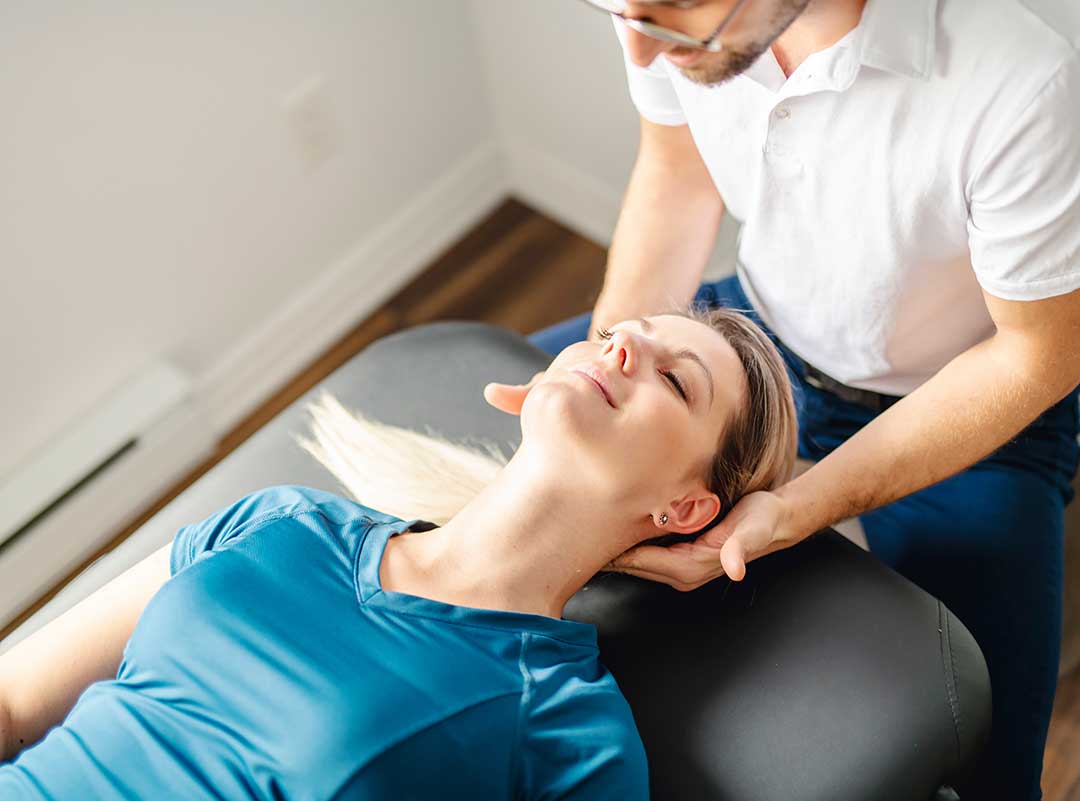
Menstruation itself does not automatically make spinal manipulation unsafe. However, the appropriate technique depends on a person’s health history, symptoms, medications, pregnancy status, bone health, and any history of neurological or vascular problems.
Temporary soreness, stiffness, or headache can occur after manipulation. More serious complications are uncommon but possible. A person should disclose significant medical conditions, recent injuries, osteoporosis, cancer, infection, blood-clotting concerns, or new neurological symptoms before receiving manual treatment.
Gentle options—such as soft-tissue work, positioning, breathing exercises, or mobility instruction—may be preferable to forceful techniques for someone who is uncomfortable, highly sensitive, or experiencing acute pain. Treatment should stop if symptoms become sharper, radiate into an arm or leg, cause numbness or weakness, or produce dizziness.
How should residents think about chiropractic care for PMS?
The most accurate answer is that chiropractic adjustments may help selected musculoskeletal symptoms that occur around the menstrual cycle, especially low-back stiffness or movement-related discomfort. They are not established as a treatment for the hormonal, emotional, digestive, or reproductive aspects of PMS.
For residents in Lynbrook, tracking symptoms alongside work demands, commuting, sleep, exercise, and seasonal changes can help clarify whether the main problem is PMS, period pain, posture-related back discomfort, or a combination. That record can also make conversations with a primary-care clinician, gynecologist, physical therapist, or chiropractor more specific.
The practical goal is not to assume that every premenstrual symptom comes from the spine. It is to identify which symptoms are musculoskeletal, which need medical evaluation, and which everyday measures provide dependable relief.
