
What is the Graston Technique?
The Graston Technique is a form of instrument-assisted soft-tissue mobilization. It uses specially shaped, smooth-edged tools to assess and treat areas of muscle, fascia, tendons, and other connective tissues.
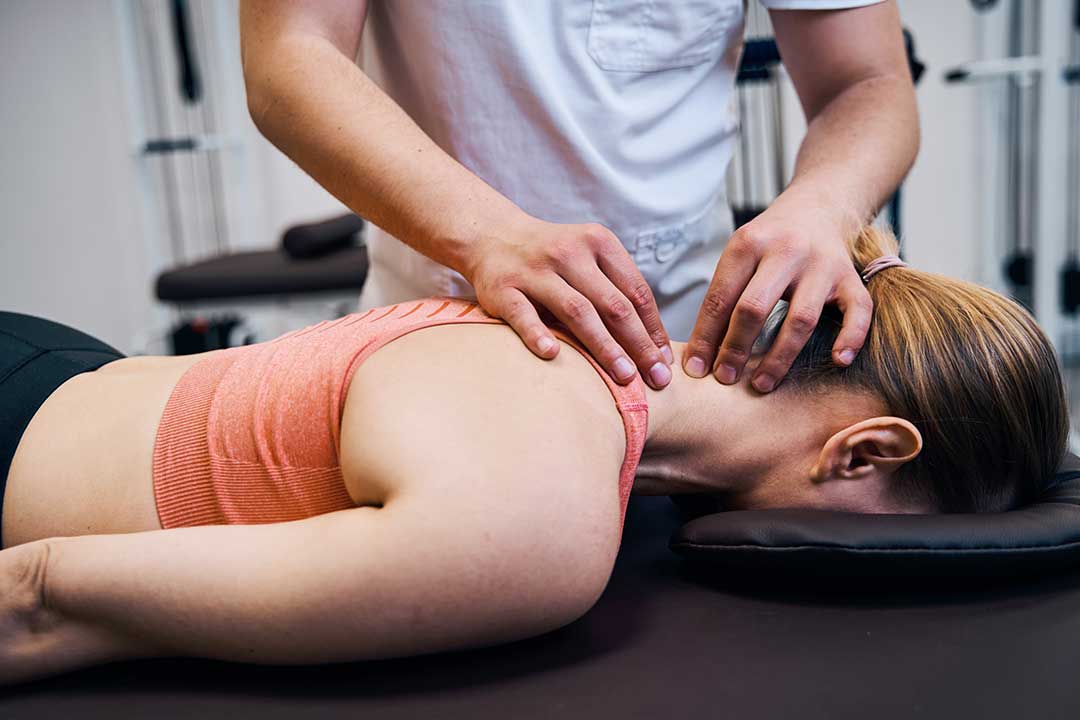
During treatment, a chiropractor or another trained health professional moves the instrument over the skin with controlled pressure. The goal is not to “scrape” the body or break up scar tissue by force. Instead, the technique is intended to identify areas of restricted movement, sensitivity, or altered tissue texture and then combine hands-on treatment with movement-based rehabilitation.
The method is commonly used for localized muscle soreness, tendon-related discomfort, stiffness, and movement limitations. It may be included as one part of a broader care plan rather than used as a stand-alone treatment.
How does the technique work?
Treatment usually begins with a health history and physical assessment. The provider may evaluate joint motion, muscle strength, walking or lifting mechanics, and the location of pain. The skin is then inspected before a small amount of lotion or treatment medium is applied.
The instrument is guided across the affected region in short or longer strokes. Pressure may range from light to firm, depending on the person’s symptoms, the tissue being treated, and the location of the problem. A session may also include:
- Gentle stretching
- Active range-of-motion exercises
- Strengthening movements
- Joint mobilization
- Advice about activity modification
- Home exercises
The tool can make changes in tissue texture easier for the practitioner to feel, but the sensation does not prove that scar tissue is being physically removed. Connective tissue is complex, and pain can be influenced by sensitivity of the nervous system, sleep, stress, strength, and movement habits—not only by what can be felt beneath the skin.
What conditions may be treated?
The technique is most often considered for problems involving muscles, tendons, and other soft tissues. Examples may include:
- Calf or hamstring tightness
- Tennis elbow or other elbow-related tendon pain
- Achilles tendon discomfort
- Plantar heel pain
- Shoulder stiffness
- Muscle soreness after increased activity
- Limited mobility after an injury has begun to heal
- Repetitive strain from work, exercise, or household tasks
Evidence for instrument-assisted treatment varies by condition. Some people report short-term improvements in pain, flexibility, or movement, while research does not establish that the technique is superior for every injury or that it works for everyone.
A careful assessment matters because similar symptoms can come from very different causes. For example, pain near the hip may involve muscle tension, a joint problem, nerve irritation, or an issue originating in the lower back. Treating the painful area alone may not address the underlying concern.
Does Graston treatment hurt?
Some pressure or discomfort is common, but treatment should not feel intolerable. A person may notice a firm dragging sensation, tenderness during treatment, or mild soreness afterward. Temporary redness or small areas of bruising can also occur, particularly when pressure is too strong for the tissue or the person is prone to bruising.
More pain is not evidence of better treatment. Severe pain, spreading bruising, marked swelling, numbness, weakness, or symptoms that continue to worsen should be reported promptly and may be reasons to stop treatment.
For residents managing winter stiffness, spring yardwork, or increased walking and outdoor activity during warmer months, the main practical concern is pacing. A sudden increase in activity combined with aggressive soft-tissue treatment can leave an already irritated area more sensitive.
Who should use caution?
Instrument-assisted soft-tissue work is not appropriate for every person or every body region. Extra caution may be needed with:
- Open wounds, skin infections, rashes, or recent burns
- Active swelling or a suspected fracture
- Unexplained severe pain
- Easy bruising or a diagnosed bleeding disorder
- Use of blood-thinning medication
- Certain vascular conditions
- Poorly controlled diabetes or reduced sensation
- Recent surgery
- Known cancer in the treatment area
Pregnancy, autoimmune conditions, and medications that affect healing or bleeding should also be discussed before treatment. A provider should know about current diagnoses, surgeries, medications, and any recent change in symptoms.
Urgent medical evaluation is more appropriate than soft-tissue treatment when pain follows a major fall or collision, or when it occurs with progressive weakness, loss of bladder or bowel control, fever, unexplained weight loss, or significant numbness.
Is it the same as massage or chiropractic adjustment?
No. Massage generally uses hands to compress, knead, or glide over soft tissue. Graston treatment uses an instrument and is usually directed at a specific region or movement problem.
It is also different from spinal manipulation. A chiropractic adjustment applies a controlled force to a joint, while instrument-assisted soft-tissue mobilization focuses primarily on muscles, tendons, fascia, and related connective tissues. These approaches may be used together, but neither is automatically necessary for every complaint.
The technique should not be confused with surgery, scraping of the skin, or a procedure that removes adhesions. Its effects may involve changes in pain sensitivity, movement tolerance, muscle tone, and a person’s ability to perform rehabilitation exercises.
What should a person expect after treatment?
Many sessions are followed by recommendations to move normally within comfortable limits rather than remain completely inactive. Light walking, gentle mobility work, hydration, and gradual return to activity may be suggested, depending on the condition.
A useful response is measured by function, not just by how the treated area feels immediately afterward. Relevant improvements may include:
- Easier movement
- Better tolerance for stairs or walking
- Improved ability to grip, reach, lift, or bend
- Less pain during a specific activity
- Greater ability to complete prescribed exercises
Short-term relief can be helpful, but it does not necessarily mean the original problem has fully healed. Tendon and muscle conditions often require progressive strengthening, adequate recovery, and adjustment of the activity that caused or aggravated symptoms.
Questions worth asking before treatment
A person considering this approach can ask:
- What diagnosis or movement problem is being treated?
- What other treatments could be considered?
- What soreness, bruising, or skin changes are expected?
- How will progress be measured?
- What exercises or activity changes are part of the plan?
- Are any medications or health conditions reasons to avoid the technique?
- What symptoms would require medical evaluation instead?
The most balanced view is that the Graston Technique may be a useful hands-on option for selected soft-tissue complaints, especially when paired with exercise and a clear assessment. It is not a universal solution, and improvement should be judged by safer, more comfortable function over time rather than by the intensity of the treatment.
