
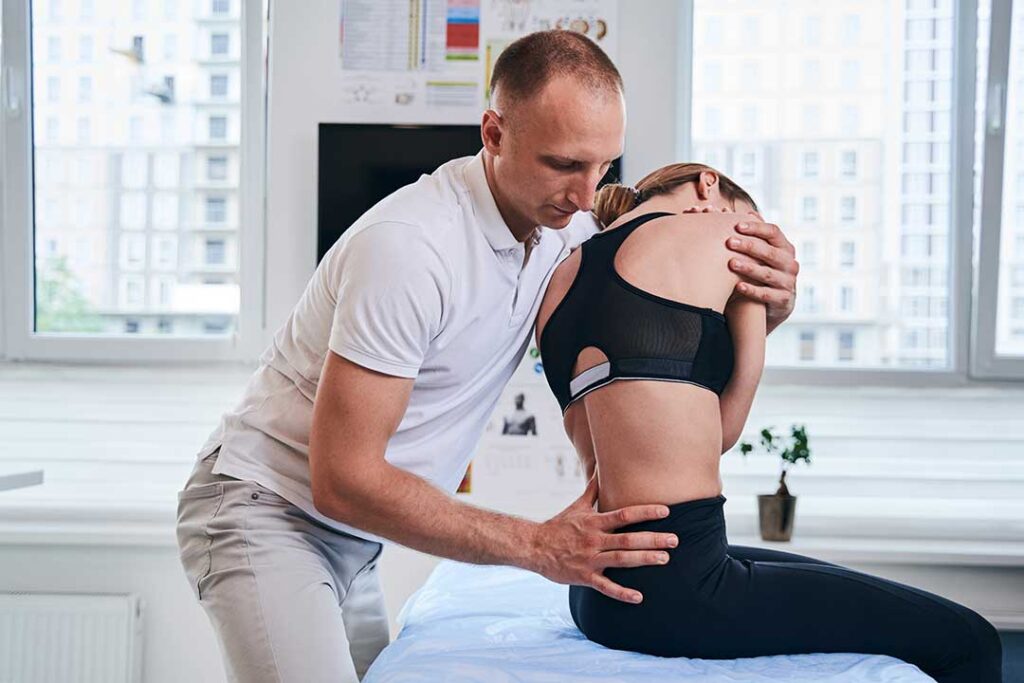
Premenstrual syndrome, or PMS, can cause bloating, breast tenderness, headaches, fatigue, mood changes, low-back discomfort, and abdominal cramping in the days before menstruation. Chiropractic adjustments may help some people manage related muscle and joint discomfort, but current evidence does not show that spinal manipulation treats the hormonal or emotional causes of PMS.
For residents in Lynbrook, NY, the most useful approach is to view chiropractic care as a possible complementary option for musculoskeletal symptoms—not as a replacement for gynecologic evaluation or established PMS treatments.
What are PMS symptoms?
PMS describes recurring physical, emotional, and behavioral symptoms that appear before a menstrual period and improve after bleeding begins. Symptoms can vary from month to month and may include:
- Abdominal cramps or pelvic discomfort
- Low-back or hip pain
- Headaches
- Bloating and fluid retention
- Breast tenderness
- Fatigue or sleep changes
- Irritability, anxiety, sadness, or difficulty concentrating
- Food cravings or appetite changes
PMS is different from ordinary occasional discomfort because the symptoms follow a recognizable cycle. Keeping a symptom and menstrual calendar for at least two or three months can help show whether symptoms consistently occur before a period.
Severe symptoms that substantially affect work, school, relationships, or daily activities may indicate premenstrual dysphoric disorder, commonly called PMDD. PMDD requires medical assessment because treatment may involve medication and mental-health support.
Can a chiropractic adjustment reduce PMS?
A chiropractic adjustment may temporarily reduce muscle tension, joint stiffness, or low-back pain that happens to worsen before menstruation. Gentle manual treatment may also make movement feel easier for someone who experiences back or pelvic-area discomfort during the premenstrual phase.
However, an adjustment does not correct hormone fluctuations, stop ovulation, treat heavy menstrual bleeding, or directly address depression and anxiety associated with PMS. Research on spinal manipulation for menstrual pain and PMS has been limited and inconsistent. Some studies of manual therapy report possible pain relief, while other reviews have found insufficient evidence to show that spinal manipulation is reliably effective.
That distinction matters. Feeling better after an adjustment is possible, especially when tight muscles or an irritated joint contribute to back pain. It should not be interpreted as proof that a spinal joint caused PMS or that an adjustment changed the menstrual cycle.
Which symptoms might be related to the spine or muscles?
Chiropractic care is most plausibly connected to symptoms involving the musculoskeletal system. For example, a person may notice:
- Aching across the low back before a period
- Stiffness after sitting for long periods
- Hip or buttock discomfort
- Muscle tightness related to sleep changes, stress, or reduced activity
- Pain that improves with movement, heat, or a change in position
These symptoms can occur alongside PMS without being caused by the same process. Hormonal changes, fluid retention, altered sleep, stress, and changes in activity may all influence how the body feels.
In a dense suburban community such as Lynbrook, commuting, desk work, household responsibilities, and reduced outdoor activity during cold or rainy weather can add ordinary strain to the back and hips. That context may explain why premenstrual discomfort feels more noticeable, but it does not make spinal adjustment a treatment for PMS itself.
What does a typical evaluation involve?
A careful evaluation should begin with questions about the menstrual cycle, symptom timing, pain location, prior injuries, medications, pregnancy possibility, and other health conditions. The purpose is to determine whether the problem appears primarily musculoskeletal or whether another condition needs attention.
Treatment may involve more than an adjustment. Depending on the findings, conservative care could include:
- Gentle mobility exercises
- Stretching for the hips and lower back
- Advice on posture and activity
- Heat or other comfort measures
- Soft-tissue techniques
- A plan to monitor symptoms across the menstrual cycle
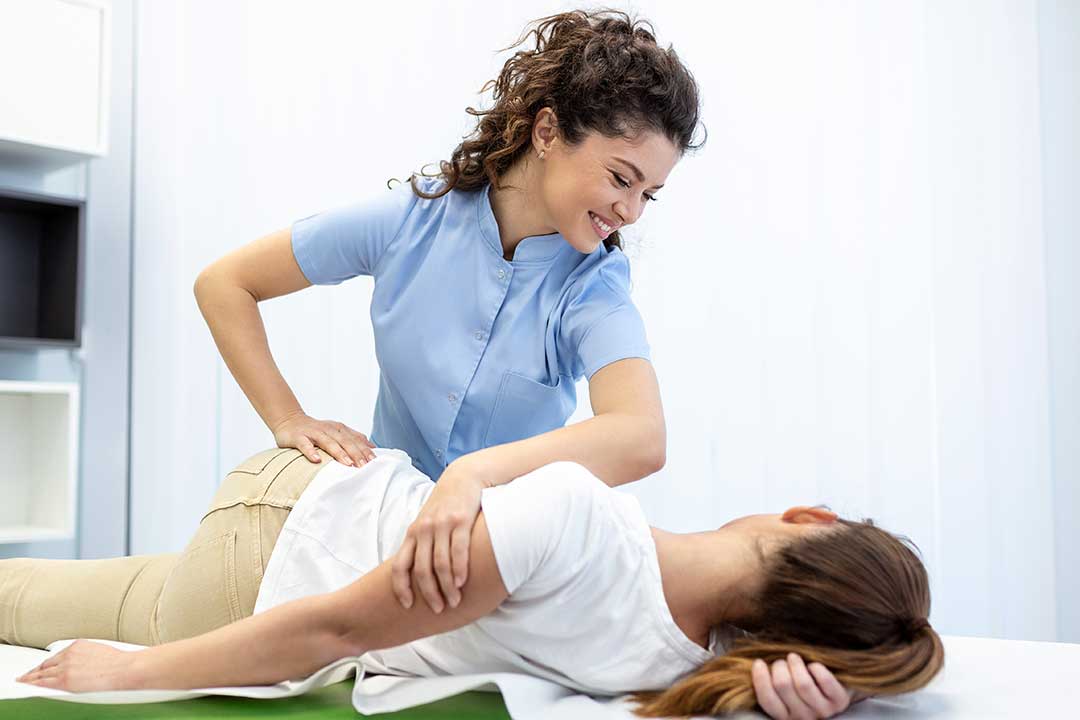
Forceful treatment is not automatically better. A person with significant pain, osteoporosis, a history of spinal surgery, inflammatory disease, neurological symptoms, or other medical concerns should discuss those issues before receiving spinal manipulation.
Is chiropractic care safe during PMS?
For most appropriately screened adults, spinal manipulation commonly causes short-lived effects such as soreness, stiffness, or a temporary increase in discomfort. Serious complications are rare, but they have been reported. Neck manipulation carries particular safety concerns, including a possible association with injuries to the arteries in the neck.
PMS alone is not generally a reason to avoid chiropractic care. Still, pregnancy must be considered if a period is late or pregnancy is possible. Anyone who is pregnant or may be pregnant should discuss manual treatment with a qualified medical provider before proceeding.
Urgent medical evaluation is more appropriate than routine adjustment for symptoms such as:
- Sudden, severe, or rapidly worsening pelvic pain
- Fainting, chest pain, or trouble breathing
- New weakness, numbness, or loss of bladder or bowel control
- Very heavy bleeding or signs of anemia
- Fever, vomiting, or unusual vaginal discharge
- Severe depression, hopelessness, or thoughts of self-harm
What treatments have stronger evidence for PMS?
Treatment depends on the symptoms and how much they interfere with life. Regular aerobic activity may reduce fatigue and mood symptoms. Walking, cycling, swimming, or other moderate exercise can be adapted to comfort and weather conditions. Gentle yoga, breathing exercises, and adequate sleep may also help reduce stress-related symptoms.
For pain, nonsteroidal anti-inflammatory drugs such as ibuprofen or naproxen may help some people, but they are not safe for everyone. People with a history of stomach ulcers, certain kidney problems, bleeding disorders, some forms of asthma, or medication interactions should ask a medical provider before using them.
Some people benefit from hormonal birth control, antidepressant medication, or other prescription treatment. Calcium may help reduce certain physical and mood symptoms, but supplements can interact with medical conditions and medications. Supplements should not be assumed to be harmless simply because they are sold without a prescription.
If symptoms are severe, cyclical, or increasingly disruptive, an obstetrician-gynecologist or primary care clinician can evaluate PMS, PMDD, endometriosis, fibroids, thyroid problems, anemia, migraine, and other conditions that may resemble premenstrual symptoms.
How should chiropractic care fit into a PMS plan?
Chiropractic care may be reasonable as an optional complement when the main problem is recurring low-back, hip, or muscle discomfort and serious causes have been considered. The goal should be clearly defined—for example, improving movement or reducing back pain—not claiming to balance hormones or cure PMS.
A practical plan is to track the cycle, identify the symptoms that are actually physical and movement-related, and assess whether treatment produces consistent improvement over several cycles. If there is no meaningful benefit, continuing repeated adjustments solely for PMS is difficult to justify.
The clearest answer is that chiropractic adjustments may help some PMS-related back or muscle pain, but they are not an established treatment for PMS as a hormonal condition. They work best, if used at all, as one part of a broader plan that includes symptom tracking, appropriate medical care, movement, sleep, and safe pain management.
