
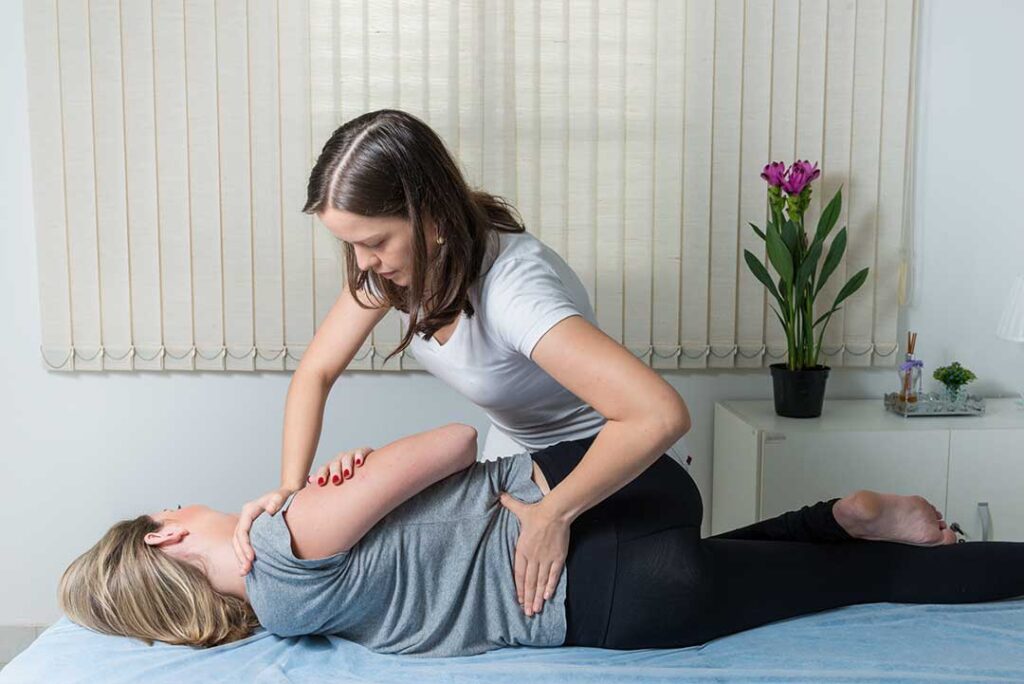
Joint inflammation can cause pain, warmth, swelling, stiffness, and reduced movement. For residents of Lynbrook, NY, everyday activities such as walking, climbing stairs, gardening, commuting, or shoveling snow may become more difficult when an irritated joint is not given the right balance of movement and recovery.
Natural approaches can help manage symptoms, especially when inflammation is related to osteoarthritis, overuse, minor strain, or general stiffness. They are not a substitute for medical evaluation when symptoms are severe, persistent, or unusual.
What does joint inflammation feel like?
Inflammation may affect one joint or several. Common signs include:
- Swelling or puffiness around the joint
- Warmth or redness
- Stiffness after resting or waking
- Pain during movement or pressure
- Reduced range of motion
- A feeling of weakness or instability
Joint inflammation has many possible causes. Osteoarthritis often develops gradually and may cause pain that worsens with activity. Rheumatoid arthritis and other inflammatory conditions can cause prolonged morning stiffness, symmetrical joint symptoms, fatigue, or swelling that does not improve with rest. Gout may cause sudden, intense inflammation, often involving one joint.
Because the cause matters, natural care should be viewed as symptom support rather than a complete diagnosis.
Can gentle movement reduce inflammation?
Yes. Appropriate movement can reduce stiffness, improve circulation, maintain muscle strength, and support joint function. Complete rest may feel helpful during a painful flare, but prolonged inactivity can lead to weaker supporting muscles and more stiffness.
Start with low-impact activity for five to ten minutes and increase gradually if symptoms remain manageable. Options include:
- Easy-paced walking
- Stationary cycling
- Water exercise
- Gentle mobility exercises
- Tai chi
- Light strengthening with resistance bands
In a compact community such as Lynbrook, short walks divided throughout the day may be more realistic than trying to complete one long workout. Indoor walking and simple mobility exercises can also be useful during cold, rainy, or icy weather.
A practical rule is to avoid pushing through sharp, escalating, or distinctly different pain. Mild temporary soreness can occur when beginning a new routine, but increasing swelling, limping, or pain that remains worse the next day suggests that the activity needs to be reduced or adjusted.
How can heat and cold be used?
Cold is generally more useful for swelling or a recent flare. A wrapped cold pack can be applied for about 10 to 20 minutes, followed by a break. Never place ice directly on the skin, and use extra caution if sensation or circulation is reduced.
Heat may help stiffness, muscle tightness, and limited movement. A warm shower, heating pad on a low setting, or warm towel may make gentle stretching more comfortable. Heat should not be used over a joint that is visibly hot, acutely swollen, or recently injured.
Seasonal habits can influence comfort. Cold mornings may make joints feel stiffer, while summer humidity may encourage people to become less active indoors. Keeping joints moving gently and avoiding sudden changes in activity is often more useful than focusing on weather alone.
Can food choices affect joint inflammation?
A balanced eating pattern may support overall inflammation control, body weight, blood sugar, and cardiovascular health. No single food reliably eliminates joint inflammation, but meals built around minimally processed foods can be helpful.
Emphasize:
- Vegetables and fruit in a variety of colors
- Beans, lentils, and whole grains
- Fish or other sources of protein
- Nuts, seeds, and unsaturated fats
- Adequate water throughout the day

Limit frequent intake of highly processed foods, sugary drinks, and meals high in refined carbohydrates or excess sodium. These foods may contribute to weight gain, fluid retention, or poorer overall health.
Weight management can also reduce stress on weight-bearing joints such as the knees, hips, ankles, and lower back. Even modest weight loss may improve comfort for some people, but weight should be discussed respectfully and should not be treated as the explanation for every joint problem.
What role do sleep and stress play?
Poor sleep can increase pain sensitivity and make ordinary joint symptoms feel more intense. Stress can also contribute to muscle tension, fatigue, and reduced activity, creating a cycle in which movement becomes harder.
Helpful habits include:
- Keeping a consistent sleep and wake schedule
- Limiting bright screens before bed
- Using pillows to support a painful shoulder, knee, or hip
- Practicing slow breathing or gentle stretching in the evening
- Alternating demanding tasks with brief recovery periods
For people who spend long periods sitting at a desk or commuting, changing position every 30 to 60 minutes may help reduce stiffness. Household tasks should be divided into smaller portions rather than completed all at once during a flare.
Are supplements a natural solution?
Supplements are not automatically safe or effective. Products such as turmeric, fish oil, glucosamine, or herbal blends may interact with blood thinners, diabetes medications, blood-pressure drugs, or other treatments. Some can also cause stomach, liver, kidney, or bleeding problems.
Food-based nutrition is generally a safer starting point. Anyone considering a supplement should review the specific product and dose with a qualified medical professional, particularly during pregnancy, before surgery, or when managing a chronic condition.
“Natural” also does not mean that a technique is risk-free. Forceful manipulation, aggressive stretching, prolonged fasting, and extreme elimination diets can worsen symptoms or delay appropriate care.
When should joint inflammation be checked promptly?
Seek prompt medical attention for a joint that becomes suddenly very swollen, red, hot, or severely painful, especially when fever or chills are present. Urgent evaluation is also appropriate after a significant fall or injury, when the joint cannot bear weight, or when there is sudden weakness, numbness, or loss of function.
Arrange a medical evaluation for symptoms that persist, repeatedly return, affect several joints, cause prolonged morning stiffness, or interfere with sleep and ordinary activities. A chiropractor may help assess movement and musculoskeletal contributors in appropriate cases, but persistent swelling or signs of systemic illness may require evaluation by a physician or other medical specialist.
A useful symptom record can include the affected joint, swelling, activity level, sleep quality, foods or medications, and whether heat, cold, or movement helped. This information can make it easier to identify patterns and choose safer next steps.
A simple daily approach
A practical routine may include five minutes of gentle movement after waking, brief activity breaks during the day, cold for swelling or heat for stiffness, balanced meals, and consistent sleep. The goal is not to eliminate every sensation immediately. It is to maintain comfortable movement while avoiding the cycle of overexertion, prolonged rest, and repeated flare-ups.
