
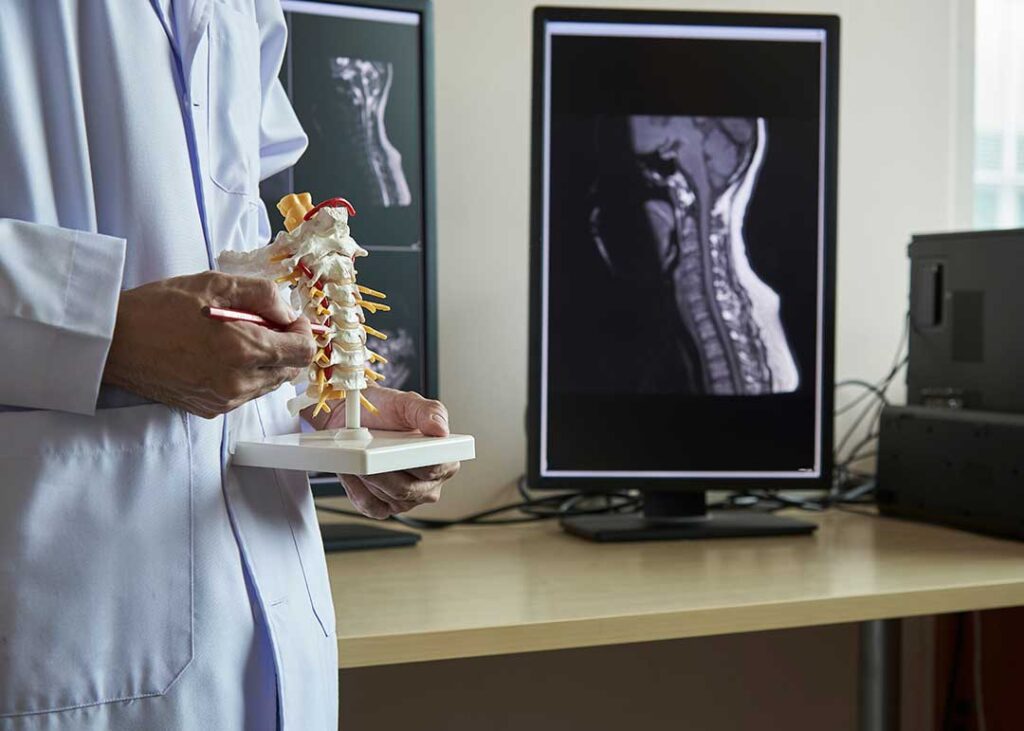
Headaches are common, but the way a person sits, stands, works, drives, or looks down at a device can sometimes contribute to them. Poor posture does not explain every headache, yet it may place extra strain on the muscles, joints, and nerves of the neck and upper back.
For residents of Lynbrook, NY, this can be especially relevant during long commutes, desk-based work, schoolwork, household tasks, or time spent using phones and tablets. Understanding the connection can help distinguish a posture-related headache from symptoms that need prompt medical evaluation.
Can poor posture really cause headaches?
Yes, poor posture can contribute to some headaches, particularly tension-type headaches and headaches related to the neck. Slouching, rounding the shoulders, or holding the head forward for long periods may cause the neck and upper shoulder muscles to work continuously.
A forward head position increases the demand on the muscles that support the skull. Over time, this may lead to:
- Tightness at the base of the skull
- Aching across the forehead or temples
- Neck stiffness
- Tenderness in the shoulders and upper back
- Head pain that worsens after sitting or screen use
Posture is usually one contributing factor rather than the sole cause. Sleep loss, stress, dehydration, eye strain, skipped meals, illness, and migraine disorders may also play a role.
What does a posture-related headache feel like?
A headache linked to muscle tension often feels like pressure, tightness, or a steady ache rather than a pulsing sensation. Some people describe it as a band around the forehead or pressure at the temples.
A headache that originates in the neck, sometimes called a cervicogenic headache, may begin near the base of the skull and spread toward one side of the head, the forehead, or behind an eye. Neck movement may make it worse, and the person may notice reduced neck mobility.
These patterns are not definitive. Migraine can also involve neck pain, and several different headache conditions may overlap. The location or sensation alone cannot establish the cause.
Why does looking down at a phone or laptop matter?
The neck is designed to support the head while it remains balanced over the shoulders. When the head moves forward or stays angled downward, the surrounding muscles must work harder to maintain that position.
The issue is usually not a single brief period of slouching. More often, discomfort develops after repeated or prolonged positions with little movement. A person may sit at a kitchen table, work from a couch, look down at a phone, or use a laptop that is too low for several hours.
In homes and apartments throughout the community, workspaces are not always designed for extended computer use. Dining chairs, sofas, beds, and improvised desks may encourage rounded shoulders and a forward head position. The body may tolerate these positions for a while, but symptoms can appear later in the day.
How can posture be improved without trying to sit rigidly?
Good posture is not a single perfect position that must be maintained all day. A comfortable, supported position that changes regularly is generally more realistic than holding the body stiffly.
Helpful adjustments include:
- Keep the top of a computer screen near eye level.
- Let the shoulders rest instead of pulling them forcefully backward.
- Keep both feet supported when sitting.
- Position the keyboard and mouse close enough to avoid reaching.
- Use a chair that supports the lower back.
- Hold a phone closer to eye level rather than bending the neck for long periods.
- Change position or walk briefly every 30 to 60 minutes.
- Use gentle neck and shoulder movements instead of forceful stretching.
Movement breaks may matter as much as the position itself. Even a well-aligned posture can become uncomfortable if maintained without interruption.
What can help when a headache seems connected to neck tension?
If the headache is mild and familiar, simple measures may reduce muscle tension. A warm shower or heating pad applied carefully to the neck and shoulders may help. Gentle movement, relaxed breathing, adequate water, regular meals, and a quiet break from screens can also be useful.
Light stretching should feel comfortable and should not cause sharp pain, dizziness, numbness, or symptoms traveling into an arm. Forceful neck manipulation or aggressive self-stretching is not appropriate for everyone, particularly after an injury or when the cause of the headache is unclear.
Keeping a short headache record may reveal patterns. Note the time of day, recent screen use, sleep, meals, stress, physical activity, neck symptoms, and whether changing position affects the pain. This information can help a healthcare professional evaluate possible causes.
Can chiropractic care be relevant to posture-related headaches?
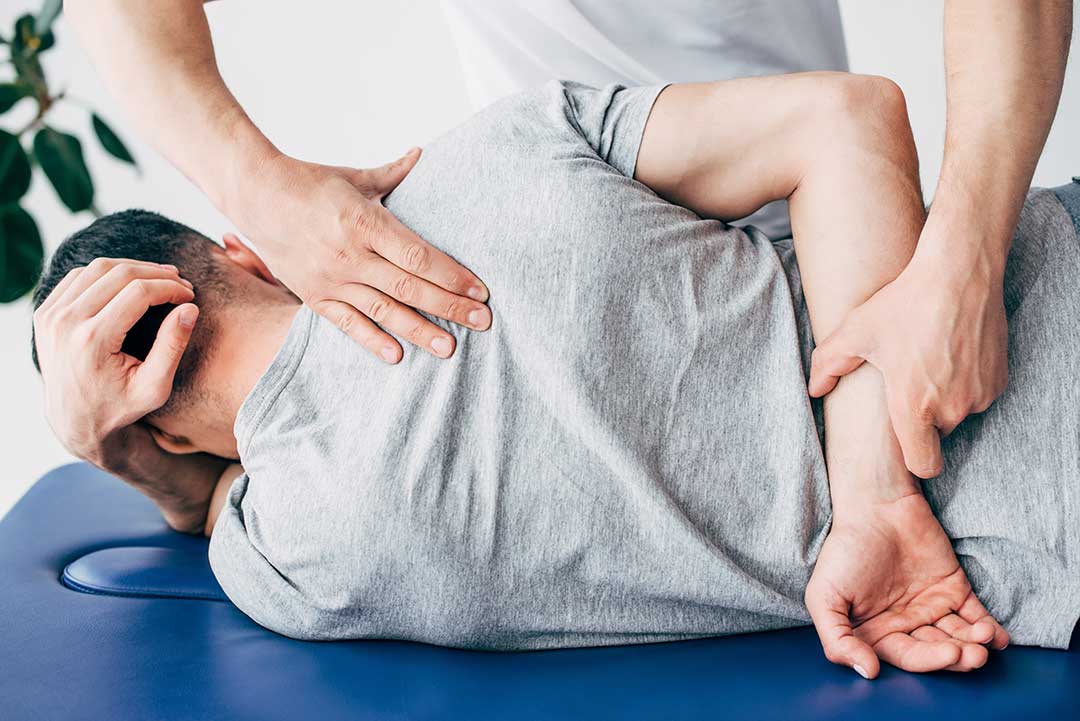
Chiropractic assessment may focus on how the neck, upper back, shoulders, and movement patterns relate to symptoms. Depending on the findings, care may include education about posture, exercises, mobility work, or other conservative approaches.
A proper evaluation should also consider migraine, medication effects, vision problems, sleep issues, blood pressure concerns, jaw tension, injuries, and other medical causes. Neck manipulation should not be treated as a universal solution for headaches, and it should not replace medical assessment when warning signs are present.
The most useful approach is usually based on the type of headache, the person’s health history, and whether symptoms improve with changes in activity and movement.
When is a headache more than a posture problem?
A headache should not automatically be blamed on posture. Seek urgent medical attention for a sudden, severe headache or head pain accompanied by symptoms such as:
- Weakness, numbness, confusion, fainting, or trouble speaking
- New vision loss or major visual changes
- Fever with a stiff neck
- Repeated vomiting
- A headache after a significant fall, collision, or other injury
- A new headache during pregnancy or after childbirth
- A headache that is rapidly worsening or substantially different from usual
A new, frequent, or persistent pattern also deserves medical evaluation, especially if it does not improve with rest, hydration, reasonable posture changes, and ordinary self-care.
What is the practical takeaway?
Poor posture can contribute to headaches by increasing strain on the neck and shoulder muscles, particularly during long periods of sitting or looking downward. It is more accurate to view posture as one possible trigger or aggravating factor than as a universal explanation.
For local residents, the first practical steps are often to raise screens, support the feet and lower back, reduce prolonged downward viewing, and change position regularly. If headaches continue, become more frequent, or include unusual symptoms, identifying the actual headache type is more important than simply trying to “sit up straight.”
