

Living in Lynbrook, NY often means balancing work, household responsibilities, commuting, errands, and time spent sitting at home. Healthy movement does not require an intensive workout routine. It is built through frequent position changes, comfortable walking, sensible lifting, and attention to how the body responds during ordinary activities.
Why does movement throughout the day matter?
Regular movement helps reduce the physical effects of staying in one position for too long. Gentle activity can support joint mobility, muscle endurance, circulation, balance, and coordination. It may also make everyday tasks—such as carrying groceries, climbing stairs, or working at a computer—feel less demanding.
A common misconception is that a single workout can fully offset an otherwise inactive day. Exercise is valuable, but the body also benefits from short periods of movement spread across the morning, afternoon, and evening. Standing up, walking briefly, changing posture, or moving the shoulders can interrupt long stretches of stillness.
The goal is not to maintain a rigid “perfect posture” all day. No single posture is ideal forever. The more useful goal is to avoid remaining in the same position for extended periods.
How often should someone get up from sitting?
A practical approach is to change position at least every 30 to 60 minutes. The exact timing can vary, but waiting until the body feels stiff or uncomfortable often means the break came too late.
Movement breaks can be brief:
- Walk around the room or hallway for two to five minutes.
- Stand while making a phone call.
- Perform several slow shoulder rolls.
- Gently straighten and bend the knees.
- Take a few relaxed breaths while changing from sitting to standing.
- Walk to another part of the home instead of reaching or calling from across the room.
For people working from home, a timer, calendar reminder, or natural transition—such as the beginning of a new task—can make these breaks easier to remember. Movement should feel comfortable rather than rushed.
What is a healthier way to sit at a desk?
A supportive sitting setup allows the feet to rest on the floor or a stable foot support, with the hips and knees positioned comfortably. The screen should be near eye level so the head does not remain tilted downward for long periods. The keyboard and mouse should be close enough that the shoulders can stay relaxed rather than reaching forward.
Small adjustments often matter more than expensive equipment. A rolled towel behind the lower back, a different chair height, or moving a laptop onto a raised surface may improve comfort. However, even a well-arranged workstation should not encourage uninterrupted sitting.
Try alternating between:
- Sitting with both feet supported.
- Standing for part of a task.
- Walking during audio-only conversations.
- Performing simple tasks away from the desk.
- Stretching gently after completing a work block.
If discomfort repeatedly returns despite position changes, the pattern, duration, and triggers can be useful information to discuss with a qualified healthcare professional.
How can residents add more walking to a normal day?
Walking can be included without treating it as a separate workout. Short walks after meals, during breaks, or while completing errands can add useful activity. In a compact, established community such as Lynbrook, local residents may already have opportunities to walk between nearby destinations, use stairs, or choose a slightly longer route when conditions are comfortable.
Seasonal conditions can affect walking habits. Hot, humid summer days may call for lighter clothing, water, and shorter outings during cooler times. Cold weather can make muscles feel less prepared and surfaces less predictable, so a gradual start and careful footing are sensible. After rain, snow, or freezing temperatures, watch for slick sidewalks, steps, and driveways.
Comfortable walking should generally allow normal conversation. A faster pace is not required for every walk. Consistency matters more than pushing through pain or fatigue.
What should people know about lifting and carrying?
Safe lifting begins before an object leaves the ground. First, estimate its weight and make sure the path is clear. Keep the load close to the body, use both hands when practical, and turn by moving the feet rather than twisting the trunk while carrying.
For a floor-level object:
1. Move close to the item.
2. Set the feet in a stable position.
3. Bend at the hips and knees as comfortable.
4. Keep the object near the body as it rises.
5. Move smoothly instead of jerking upward.
6. Set the item down using the same controlled approach.
Household tasks in area homes may involve laundry baskets, storage containers, pet supplies, groceries, or children’s belongings. These loads are often manageable individually but become more stressful when carried repeatedly, held away from the body, or lifted while reaching and twisting.
Splitting a heavy load into smaller portions is often more practical than relying on strength alone.
Are stretching and mobility exercises useful?
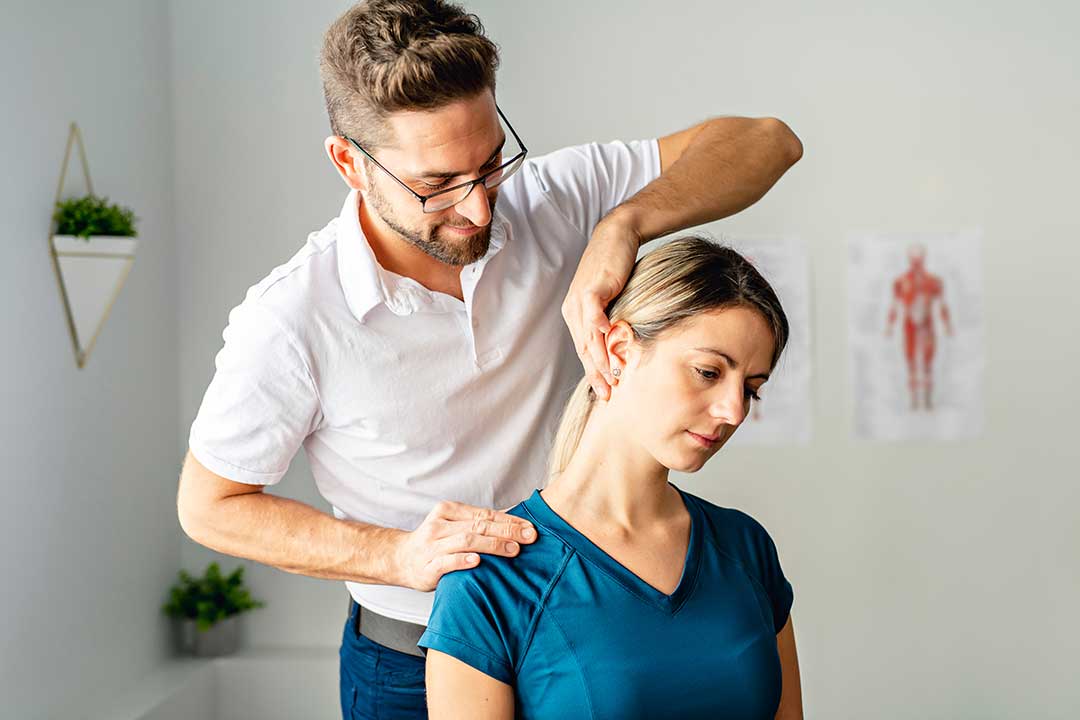
Gentle mobility exercises can help the body move more comfortably, especially after sitting or before routine activity. Useful options may include slow neck turns within a comfortable range, shoulder movements, ankle circles, hip movements, and easy trunk rotation.
Stretching should create mild tension, not sharp pain, numbness, burning, or a strong pulling sensation. Avoid bouncing and do not force a joint farther than it wants to move. A brief warm-up, such as walking around the room, may make movement feel easier before stretching.
Mobility work is not a substitute for strengthening. Muscles also benefit from gradual, regular resistance activities, such as controlled chair stands, wall push-ups, stair practice, or light carrying. Anyone with a medical condition, recent injury, balance concern, or significant limitation may need individualized guidance before beginning new exercises.
How can movement be encouraged in children and older adults?
Children often move naturally but may also spend long periods using screens. Alternating seated activities with active play, household tasks, walking, or outdoor time can support varied movement. The emphasis should be on enjoyment and skill rather than criticism of posture.
Older adults may benefit from a combination of walking, leg strengthening, balance practice, and activities that preserve confidence with stairs and transfers. Keeping commonly used items within a comfortable reach can reduce unnecessary strain, while adequate lighting and clear pathways can lower fall risks.
A walking aid, supportive footwear, or home modification may be appropriate in some situations. New balance problems, repeated falls, or sudden difficulty walking deserve prompt medical attention.
When is pain a reason to stop?
Mild tiredness or temporary stiffness can occur after unfamiliar activity, but pain that is sharp, worsening, or associated with weakness should not be ignored. Stop an activity if it causes new numbness, loss of coordination, significant swelling, or pain that changes the way the body moves.
Urgent medical evaluation is appropriate for symptoms such as sudden weakness, loss of bladder or bowel control, severe pain after a fall, chest pain, trouble breathing, or a new severe headache. Persistent or recurring musculoskeletal symptoms also deserve assessment, particularly when they interfere with sleep, walking, work, or ordinary household activities.
Healthy movement is less about forcing the body to do more and more about giving it regular opportunities to change position, build capacity, and recover. A day that includes brief walks, varied postures, controlled lifting, and comfortable mobility can support the demands of work and home life without requiring a complicated routine.
