
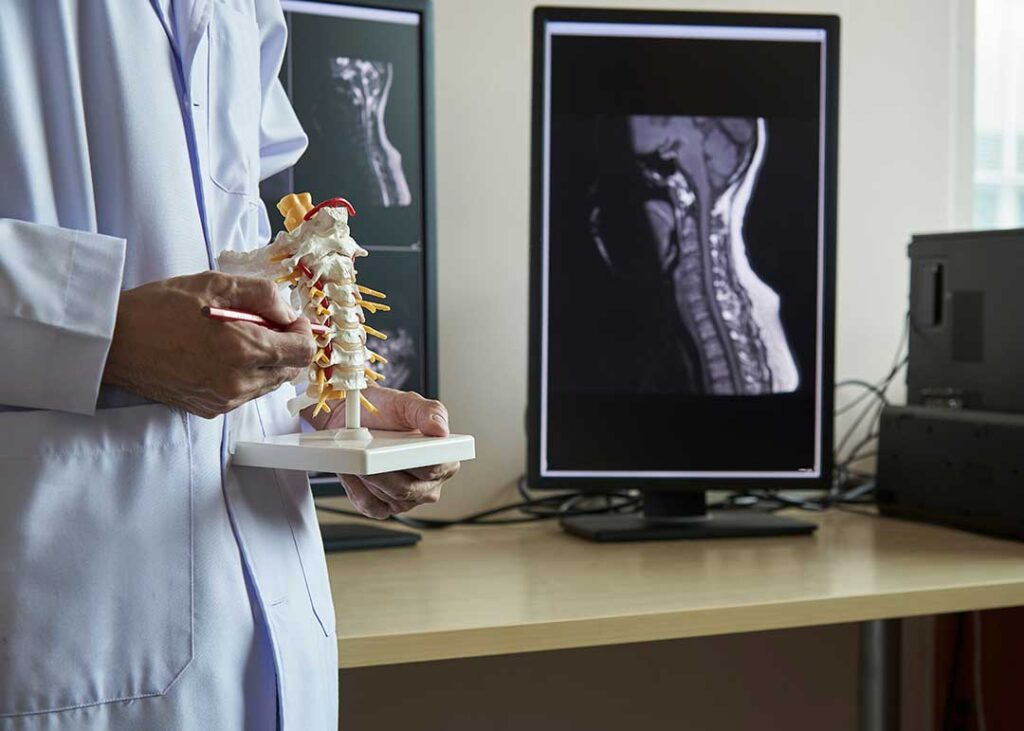
A minor back strain often improves with simple home care over several days to a few weeks. The most useful approach is usually gentle movement, temporary activity changes, careful use of cold or heat, and attention to warning signs that suggest something more serious.
How can you tell if back pain may be a minor strain?
A minor strain commonly causes localized aching, tightness, or soreness in the muscles and connective tissues around the lower or middle back. Pain may begin after lifting, bending, reaching, shoveling, exercising, gardening, or spending too long in one position.
A strain is more likely when:
- The pain started after a specific movement or physical task.
- The discomfort stays mostly in the back rather than traveling down the leg.
- Movement feels stiff or guarded, but strength and sensation remain normal.
- Symptoms gradually improve with rest from aggravating activities.
Muscle soreness can also develop after household tasks that seem routine, such as carrying laundry, moving furniture, clearing wet leaves, or lifting a child. Cold weather may make muscles feel stiffer, but winter temperatures alone do not explain every episode of back pain.
Severe pain, pain after a fall or collision, leg weakness, numbness, fever, or changes in bladder or bowel control should not be treated as an ordinary strain.
Should you use ice or heat?
Both cold and heat can be helpful, but they serve different purposes. Cold is often more comfortable during the first day or two after a sudden injury, while heat may help later when muscle tightness or spasms are the main problem.
For cold therapy, wrap an ice pack or a bag of frozen food in a thin towel. Apply it for about 15 to 20 minutes, then remove it and allow the skin to return to normal temperature. Never place ice directly against the skin.
Heat can be applied with a warm shower, heating pad, or covered hot-water bottle. Use a comfortable temperature rather than intense heat, and limit each session to about 15 to 20 minutes. Avoid falling asleep on a heating pad, since prolonged exposure can cause burns.
People with reduced skin sensation, circulation problems, or difficulty recognizing temperature changes should use extra caution with ice and heat. Stop if the skin becomes very red, blistered, unusually pale, or painful.
Is bed rest good for a strained back?
Extended bed rest usually slows recovery rather than helping it. After a brief period of relative rest, gentle movement is generally preferable if it does not sharply increase symptoms.
That does not mean pushing through severe pain. For the first few days, reduce activities such as heavy lifting, repeated bending, twisting, and strenuous exercise. Continue short walks around the home or outside as tolerated. Changing positions regularly can also prevent stiffness.
For residents in Lynbrook, everyday movement may include walking to nearby destinations, using stairs, completing household chores, or commuting. These activities can be resumed gradually, but carrying heavy bags or rushing over slippery winter surfaces may need to wait until movement feels more controlled.
A useful rule is to keep discomfort mild and manageable. If an activity causes a marked increase in pain that lasts for hours afterward, scale it back.
What positions can reduce discomfort?
There is no single best sleeping or resting position, but support can reduce strain.
Side sleepers may feel better with a pillow between the knees. Back sleepers can try placing a pillow under the knees. When getting out of bed, roll onto one side first, lower the legs, and use the arms to help push the torso upright instead of performing a sudden sit-up.
When sitting, keep both feet supported and avoid sinking into a deeply slouched position for long periods. A rolled towel placed behind the lower back may provide temporary support, but it should not force the spine into an exaggerated arch.
Comfortable positioning is helpful, but remaining in one position for hours is not. Stand, walk briefly, or change position every 30 to 60 minutes when possible.
Can gentle stretching help?
Gentle mobility may reduce stiffness, but stretching should not be forced during the most painful stage. Slow movements are safer than bouncing or aggressive pulling.
Examples that some people tolerate include:
- Brief, easy-paced walking.
- Lying on the back with knees bent and gently allowing the knees to move a small distance from side to side.
- Bringing one knee slightly toward the chest while keeping the movement comfortable.
- Gentle pelvic tilting while lying on the back with knees bent.
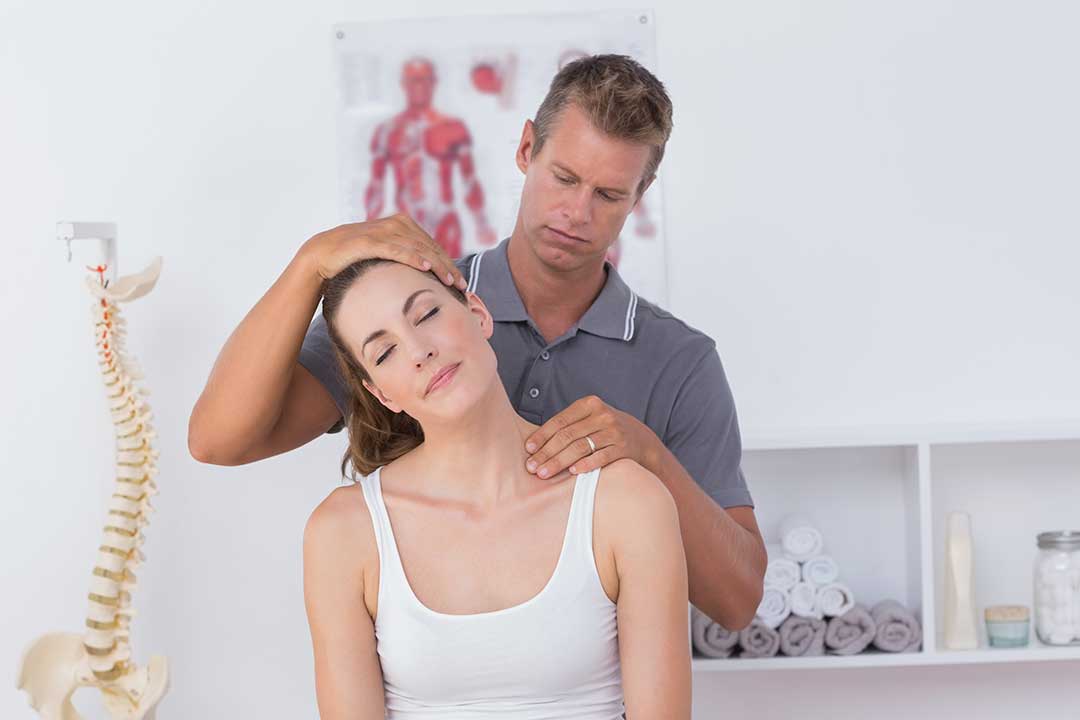
Stop an exercise if it causes sharp pain, increasing pain down the leg, numbness, tingling, or weakness. A movement that feels helpful one day may be too much immediately after an injury.
Are over-the-counter pain relievers appropriate?
Some adults use an over-the-counter anti-inflammatory medicine or acetaminophen for short-term relief. The safest choice depends on age, other medicines, pregnancy status, kidney or liver health, stomach-ulcer history, blood pressure, and heart conditions.
Anti-inflammatory medicines can be risky for people with kidney disease, a history of gastrointestinal bleeding, certain cardiovascular conditions, or those taking blood thinners. They can also interact with other medicines. Follow the package directions and ask a pharmacist or medical clinician if there is uncertainty.
Pain relief should make gentle movement easier, not encourage heavy lifting before the back has recovered. Avoid combining products that contain the same active ingredient.
What common home remedies should be avoided?
Several popular approaches can make a strain worse:
- Complete bed rest for multiple days.
- Stretching forcefully into sharp pain.
- Lifting while twisting.
- Returning immediately to heavy snow shoveling, intense workouts, or moving furniture.
- Applying heat or ice directly to bare skin.
- Using a massage device aggressively over an acutely painful area.
- Ignoring pain that is steadily worsening rather than improving.
Household tasks often involve awkward positions. When lifting, keep the object close to the body, bend through the hips and knees, avoid twisting, and ask for help with heavy or bulky items.
When should back pain be evaluated promptly?
Seek urgent medical attention for back pain accompanied by new loss of bladder or bowel control, numbness around the groin or inner thighs, major leg weakness, or difficulty walking. These symptoms can indicate nerve compression requiring prompt assessment.
Prompt evaluation is also appropriate after a significant fall, vehicle collision, or other forceful injury; with fever or unexplained illness; with a history of cancer; or when pain is severe, constant, or unrelated to movement.
A minor strain should show gradual improvement. If symptoms are not beginning to ease after several days, continue returning, interfere substantially with sleep or routine activities, or persist beyond a few weeks, an evaluation can help clarify whether the problem is muscular or related to a joint, disc, nerve, or another condition.
Home care is most appropriate when symptoms are mild, movement remains possible, and no warning signs are present. The goal is not to eliminate every sensation immediately, but to protect the area from aggravation while steadily restoring normal movement.
