

Pinched nerves can cause pain, tingling, numbness, burning, or weakness when nearby tissue places pressure on a nerve. The problem may develop in the neck, back, shoulder, elbow, wrist, hip, or leg. Prevention usually involves reducing prolonged pressure, improving movement habits, building strength gradually, and responding early to warning signs.
What causes a pinched nerve?
A nerve may become compressed by a spinal disc, swollen tissue, tight muscles, bone changes, or repeated pressure around a joint. Common examples include neck-related symptoms traveling into the arm, low-back symptoms extending into the leg, and wrist compression that causes tingling in the hand.
Several everyday factors can increase risk:
- Staying in one position for long periods
- Repeating the same hand, wrist, shoulder, or lifting motion
- Slouching while using a laptop or phone
- Lifting with a rounded back or twisting suddenly
- Leaning an elbow or wrist against a hard surface
- Sleeping with the neck, shoulder, or hip in an awkward position
- Returning too quickly to exercise after an injury
- Carrying more body weight than the joints and tissues can comfortably manage
A pinched nerve is not always caused by poor posture. Age-related changes, injuries, inflammation, pregnancy, and certain medical conditions can also narrow the space around a nerve.
How can posture and positioning reduce risk?
Good positioning keeps the head, spine, shoulders, hips, and limbs in relatively neutral alignment. It does not require sitting rigidly or holding one “perfect” posture all day.
For desk or computer work, keep the screen near eye level, allow the shoulders to relax, and support the lower back when possible. The elbows should remain close to the body, with the wrists relatively straight. A laptop used for long periods may encourage neck bending, so raising the screen and using a separate keyboard can reduce strain.
Phone use can create a similar problem. Looking down for several minutes is usually not harmful, but repeated long periods with the chin toward the chest can aggravate the neck and upper back. Hold the phone closer to eye level, switch hands, and take regular visual and movement breaks.
Residents may spend additional time seated during commutes, winter indoor routines, or work-from-home days. Changing position frequently is often more protective than trying to maintain one posture for hours.
How often should a person move?
Frequent, brief movement breaks help prevent stiffness and reduce sustained pressure on nerves. During desk work, stand, walk, or gently move the neck, shoulders, wrists, and hips every 30 to 60 minutes.
Movement does not need to be strenuous. A short walk through the home, light shoulder rolls, or a few controlled standing movements may be enough to interrupt prolonged sitting. Avoid forcing a stretch into sharp, electric, or spreading pain.
For repetitive tasks, alternate activities when possible. Someone doing extensive typing, household cleaning, food preparation, gardening, or snow-related outdoor work should vary hand positions and pause before fatigue causes technique to deteriorate.
Which exercises may help prevent nerve compression?
A balanced exercise routine supports the muscles that help stabilize the spine and joints. Strength, flexibility, coordination, and aerobic activity can all contribute to better movement tolerance.
Useful general categories include:
- Walking or another comfortable aerobic activity
- Strengthening the abdomen, hips, upper back, and legs
- Gentle mobility exercises for the neck, shoulders, wrists, hips, and ankles
- Balance and coordination work, especially for older adults
- Gradual conditioning before demanding seasonal chores
Exercises should be progressed slowly. A routine that causes increasing numbness, weakness, or pain traveling farther into an arm or leg should be stopped and reassessed. Stretching is not automatically beneficial; aggressive stretching can irritate an already sensitive nerve.
How can lifting and household chores be made safer?
Use the legs and hips rather than rounding the lower back while lifting. Keep an object close to the body, avoid twisting while carrying it, and divide heavy loads into smaller portions when practical.
For floor-level tasks, kneel or squat with support instead of bending repeatedly from the waist. When moving boxes, bags, furniture, or outdoor equipment, plan the route first and ask for assistance with unusually heavy or awkward objects.
Seasonal chores deserve extra care. Cold weather can make muscles feel less prepared for sudden exertion, while slippery surfaces can increase the risk of falls and twisting injuries. Warm up with several minutes of easy walking and joint movement before demanding work, and avoid rushing on wet, icy, or uneven ground.
What sleeping habits may reduce symptoms?
Sleep positioning cannot prevent every pinched nerve, but it may reduce unnecessary pressure. The pillow should support the neck without forcing it sharply upward or downward. Side sleepers may benefit from keeping the head aligned with the spine and placing a pillow between the knees. Back sleepers often do well with support that keeps the neck neutral and, if comfortable, a pillow beneath the knees.
Sleeping on an arm, keeping the wrist bent under the pillow, or remaining in one position all night can aggravate symptoms in some people. If numbness repeatedly appears during sleep, note which position triggers it and adjust gradually rather than forcing a painful posture.
Can weight, smoking, or other health factors matter?
Maintaining a weight that is healthy for the individual can reduce mechanical stress on the spine and joints, although weight is only one factor among many. Regular activity, adequate sleep, and management of conditions such as diabetes may also support nerve health.
Smoking can impair circulation and tissue healing, which may make recovery from musculoskeletal injuries more difficult. Alcohol overuse and nutritional deficiencies can also contribute to nerve symptoms. Persistent tingling should not automatically be blamed on posture or a “pinched nerve,” because several medical conditions can cause similar sensations.
What should someone do at the first sign of a pinched nerve?
Reduce or pause the activity that clearly worsens symptoms, but avoid prolonged bed rest. Gentle movement within comfortable limits is generally preferable to remaining completely inactive. Cold or warmth may provide short-term comfort, depending on the problem and personal response.
Over-the-counter pain medicines are not appropriate for everyone. People with kidney disease, stomach ulcers, blood-thinning medication, pregnancy, allergies, or other medical conditions should check with a healthcare professional before using them.
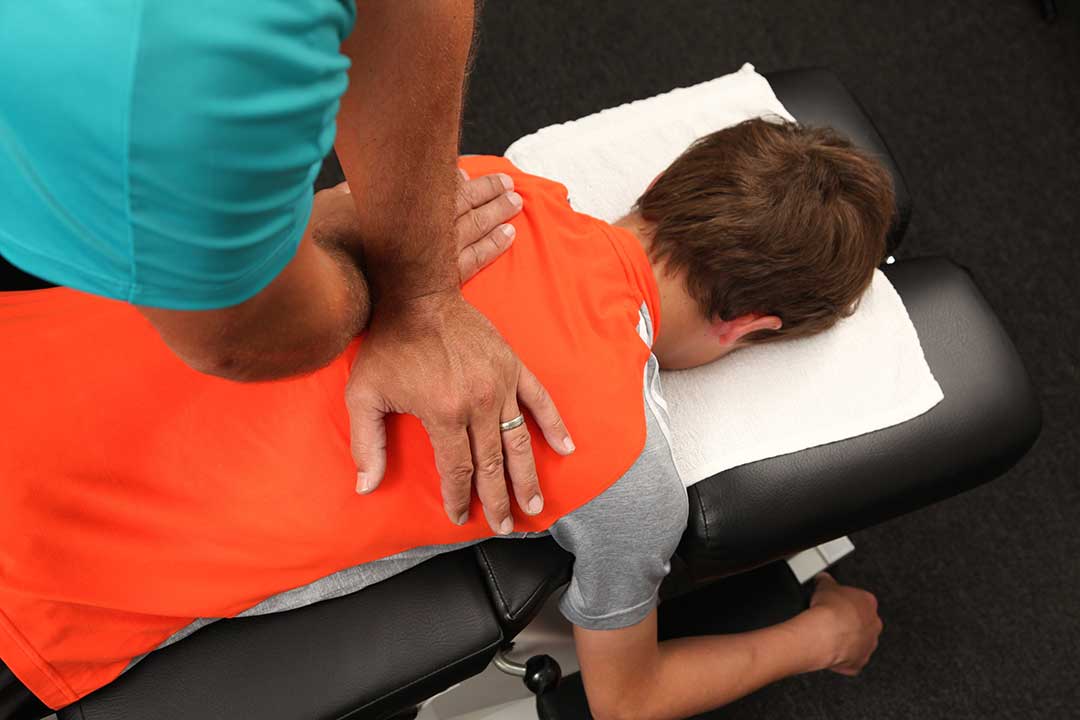
If symptoms persist for several days, keep returning, or interfere with walking, gripping, sleeping, or normal activities, an evaluation can help identify whether the issue involves a nerve, muscle, joint, disc, or another condition. Chiropractic care may be one part of a broader assessment for some musculoskeletal problems, but treatment should be based on the pattern of symptoms and a careful examination rather than the assumption that every ache is a pinched nerve.
When is numbness or weakness an urgent warning?
Seek urgent medical attention for sudden or rapidly worsening weakness, loss of coordination, severe pain after an injury, numbness affecting an entire limb, or new problems controlling urination or bowel movements. Emergency evaluation is also appropriate when numbness occurs with facial drooping, trouble speaking, chest discomfort, severe shortness of breath, or other sudden neurological symptoms.
A pinched nerve often improves with sensible activity changes, but progressive weakness or significant loss of function should not be managed only with home exercises. Early evaluation can help prevent a potentially serious problem from being overlooked.
