
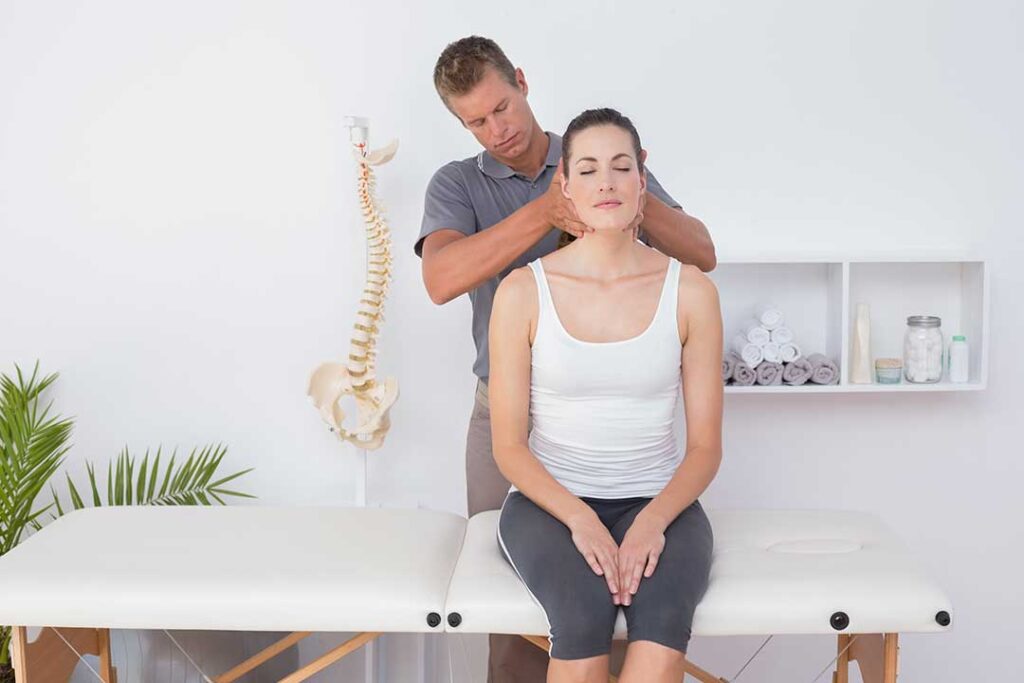
Is soreness after an adjustment normal?
Mild soreness, stiffness, tenderness, or fatigue can occur after a chiropractic adjustment. For many people, these effects are temporary and improve within several hours to about a day.
An adjustment applies controlled movement or pressure to a joint and the surrounding muscles, ligaments, and connective tissues. If an area has been stiff, guarded, or working unevenly, nearby tissues may respond with a feeling similar to mild post-exercise soreness.
Temporary discomfort does not automatically mean that something went wrong. However, the intensity, duration, and type of symptoms matter. Soreness that steadily improves is generally less concerning than pain that becomes severe, spreads, or is accompanied by neurological symptoms.
What might the soreness feel like?
Post-adjustment soreness may resemble the ache experienced after using muscles in a new way. Common descriptions include:
- Mild tenderness around the treated area
- Achiness in the neck, back, shoulders, or hips
- Temporary stiffness when changing position
- Feeling tired or unusually relaxed
- A mild headache, especially after treatment involving the neck
The sensation should usually remain manageable. It should not feel like a sudden severe injury, intense burning, significant weakness, or rapidly increasing pain.
The body’s response can vary depending on the technique used, the area treated, the person’s activity level, and whether there was a recent injury. Someone who has spent long hours sitting at a computer, lifting household items, commuting, or doing more outdoor activity than usual may already have irritated muscles before treatment begins.
How long should soreness last?
Most mild soreness after spinal manipulation resolves within 24 hours, although some people may notice stiffness for a little longer. The expected pattern is gradual improvement rather than continued worsening.
If soreness is still present after a day or two, that does not always indicate an emergency, but it deserves attention. The adjustment may not be the only factor involved. Other possibilities include a muscle strain, an underlying joint problem, a recent fall, repetitive activity, poor sleep position, or a separate medical condition.
People in Lynbrook may notice symptoms fluctuate with seasonal routines. Cold weather can lead some residents to spend more time indoors, sit for longer periods, or move less regularly. Snow, wet pavement, and changes in outdoor activity can also alter how the back, hips, and legs are used. These factors may contribute to soreness before or after treatment without being caused by the adjustment itself.
What can help mild soreness?
For minor, familiar soreness, gentle self-care is often reasonable. Light movement can help prevent stiffness, while prolonged bed rest may make the area feel tighter.
Helpful measures may include:
- Taking a short, easy walk if movement feels comfortable
- Drinking water according to normal hydration needs
- Using a warm shower or a heating pad on a low, safe setting for muscle tightness
- Applying a wrapped cold pack for a short period if the area feels irritated or mildly swollen
- Avoiding strenuous lifting, intense exercise, or repeated bending until symptoms settle
- Following any individualized aftercare instructions already provided
Medication is not appropriate for everyone. People with kidney disease, stomach ulcers, blood-thinning medication, allergies, pregnancy, or other health concerns should not assume that an over-the-counter pain reliever is safe without checking with a qualified medical source.
The goal is not to push through worsening pain. Gentle activity should feel neutral or beneficial, not sharply painful.
Does soreness mean the adjustment was effective?
No. Soreness is not proof that an adjustment “worked,” and the absence of soreness does not mean treatment was ineffective.
Some people feel immediate improvement. Others notice changes gradually. Some feel no meaningful difference. A temporary ache can simply reflect irritation or sensitivity in the tissues and should not be treated as a measure of treatment quality.
It is also a misconception that a stronger adjustment or more cracking sounds necessarily produce better results. The sound sometimes heard during manipulation is commonly related to a change in pressure within a joint. It does not by itself show that a bone moved into a particular position or that more force would be beneficial.

When is soreness a warning sign?
Seek prompt medical evaluation for symptoms that are severe, unusual, worsening, or accompanied by changes in strength or sensation. Warning signs include:
- New numbness, tingling, or weakness in an arm or leg
- Trouble walking, balancing, speaking, or using a hand
- Loss of bladder or bowel control
- Severe or rapidly worsening neck or back pain
- A sudden, unusual, or intense headache
- Dizziness, fainting, vision changes, or confusion
- Chest pain, shortness of breath, or unexplained sweating
- Fever, significant swelling, or signs of infection
- Pain after a fall, collision, or other substantial injury
Neck manipulation deserves particular caution because rare but serious complications have been reported. Sudden neurological symptoms after treatment should be treated as urgent, regardless of whether the discomfort initially seemed mild.
Who should discuss risks before an adjustment?
A health history should be reviewed before treatment, especially for people with conditions that may increase the risk of complications. This includes individuals with recent trauma, osteoporosis, inflammatory arthritis, spinal cord or nerve disorders, bleeding problems, certain vascular conditions, or a history of stroke.
Pregnancy, recent surgery, cancer, unexplained weight loss, persistent fever, and unexplained nighttime pain also warrant careful medical consideration. These issues do not automatically rule out manual treatment, but they may change whether it is appropriate and which techniques should be avoided.
It is also useful to mention all current medications, recent injuries, new symptoms, and previous reactions to manipulation. Clear information helps the treating clinician decide whether an adjustment is suitable or whether another form of evaluation is needed first.
What should someone do if soreness keeps returning?
Recurring soreness after every adjustment should not simply be accepted as part of treatment. Keep track of when the discomfort begins, where it occurs, how long it lasts, and whether it affects normal activities.
That pattern can help distinguish short-lived muscle tenderness from a problem that needs a different approach. Repeated symptoms may reflect an untreated injury, an unsuitable technique, excessive treatment intensity, or a condition that requires medical assessment.
For local residents managing work-from-home routines, long commutes, apartment stairs, household lifting, or seasonal outdoor chores, the broader activity pattern matters. Treatment should be considered alongside sleep, exercise, posture, workload, and any recent change in daily movement.
Mild, improving soreness can be a normal short-term response. Severe, persistent, or neurologic symptoms are not something to ignore.
