
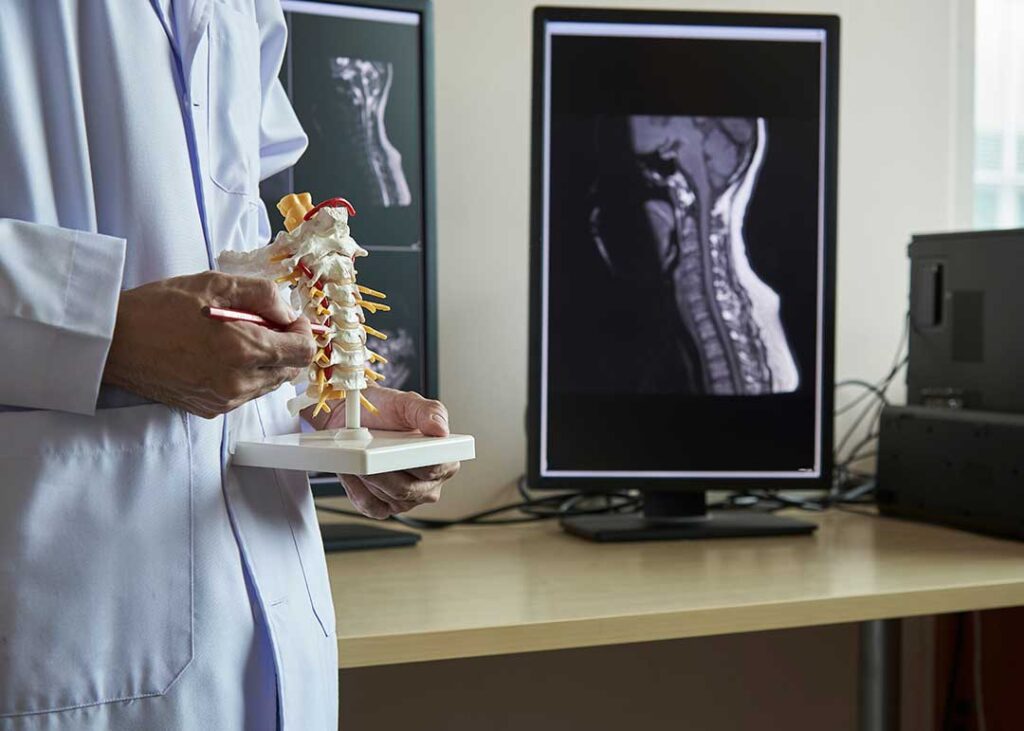
Waking with stiffness does not always mean something is seriously wrong. Overnight inactivity, sleeping position, a soft or unsupportive mattress, and the body’s natural tendency to feel less mobile after several hours of rest can all contribute to morning discomfort. A few slow movements before getting dressed or starting the day may help the back, hips, shoulders, and neck move more comfortably.
For residents of Lynbrook, NY, morning stiffness may feel more noticeable during colder months, when people spend longer indoors and move less immediately after waking. The goal is not to force flexibility. It is to gradually restore comfortable movement.
Should stretching be done immediately after waking?
Gentle mobility can begin in bed, but longer stretches are usually more comfortable after the body has warmed up slightly. Start with slow movements rather than pulling firmly on tight muscles.
Before standing:
- Take several relaxed breaths.
- Move the ankles up and down.
- Bend and straighten the knees one at a time.
- Roll the shoulders slowly.
- Turn the head only through a comfortable range.
After getting up, walk around the room for a minute or two before holding stretches. This is especially helpful on cold mornings when muscles and joints may feel tighter.
What is a simple five-minute morning routine?
A short routine can address the areas that commonly contribute to back and neck stiffness. Perform each movement slowly, breathing normally. Mild tension is acceptable; sharp, burning, electric, or worsening pain is not.
1. Diaphragmatic breathing
Lie on the back or sit near the edge of the bed. Place one hand over the abdomen and take five slow breaths. Let the ribs and abdomen expand as you inhale, then relax as you exhale.
This is not a stretch by itself, but it can reduce the tendency to brace the shoulders and abdominal muscles before movement begins.
2. Ankle pumps and circles
While seated or lying down, point the toes away and then draw them back toward the body. Repeat 10 times. Make five slow circles in each direction with both ankles.
These movements are useful after a night of limited activity and can prepare the legs for standing and walking.
3. Pelvic tilts
Lie on the back with the knees bent and feet resting on the bed or floor. Gently tighten the abdominal muscles and flatten the lower back toward the surface. Hold for two or three seconds, then release.
Repeat eight to 10 times. The movement should be small. Do not press forcefully or hold the breath.
4. Single-knee-to-chest stretch
From the same position, bring one knee toward the chest while keeping the other foot supported. Hold for 10 to 20 seconds, then lower the leg and switch sides.
If comfortable, both knees may be brought toward the chest briefly. People with certain back conditions may find this position irritating, so it should be skipped if symptoms increase.
5. Cat-cow mobility
Move onto hands and knees on a stable, non-slip surface. Slowly round the back while allowing the head to relax, then gently reverse the movement by lifting the chest slightly and lengthening the spine.
The motion should remain moderate rather than reaching the maximum available range. Repeat five to eight times.
6. Hip-flexor stretch
Stand facing a wall or sturdy surface for balance. Step one foot back and keep both feet pointed forward. Bend the front knee slightly and shift the hips forward without arching the lower back.
Hold for 15 to 20 seconds on each side. This can be helpful for people who sit for long periods, including during desk work or commuting.
7. Chest and shoulder opening
Stand tall with the arms relaxed. Gently draw the shoulder blades down and back, then release. Another option is to place the forearms against a doorway and take a small step forward until a mild stretch is felt across the chest.
Avoid forcing the shoulders backward. The neck should remain relaxed.
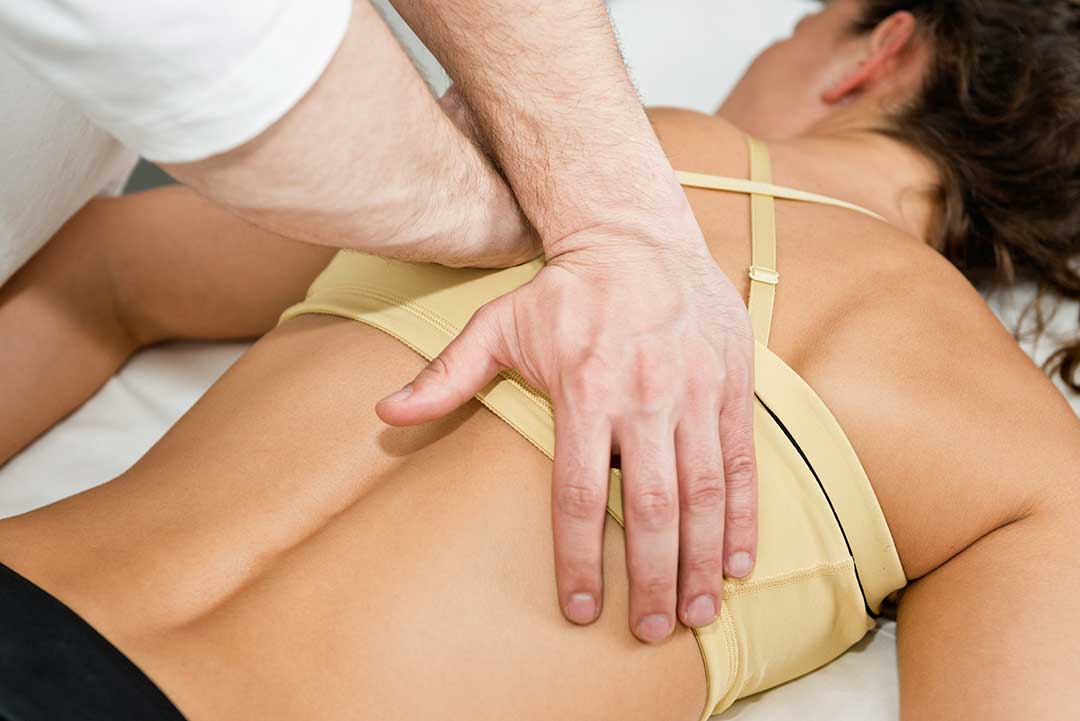
Which stretches help morning lower-back pain?
For general stiffness, pelvic tilts, gentle cat-cow movements, and a controlled hip-flexor stretch are often more useful than aggressive toe-touching. Tight hips and limited movement through the upper back can make the lower back work harder during bending, walking, and getting out of a chair.
A standing hamstring stretch may also be appropriate. Place one heel on a low step or firm surface, keep the knee slightly bent, and hinge forward from the hips while maintaining a relatively straight back. Stop well before the stretch becomes intense.
Deep forward bends are not automatically better. If bending causes pain to travel into the buttock or leg, use a smaller range or leave that stretch out.
What should be avoided first thing in the morning?
Some common habits can make stiffness worse:
- Bouncing into a stretch
- Twisting quickly while still lying down
- Pulling the head or neck with the hands
- Holding the breath
- Stretching through sharp pain
- Touching the toes by rounding forcefully through the lower back
- Standing suddenly after prolonged bed rest
A stretch should create a gentle pulling sensation, not numbness, tingling, stabbing pain, or a feeling of instability. There is no benefit to forcing a joint farther than it comfortably moves.
How long should each stretch be held?
For morning mobility, 10 to 20 seconds is usually enough at first. As movement becomes easier, a comfortable stretch may be held for about 20 to 30 seconds. One or two repetitions per side is sufficient for a brief routine.
Consistency matters more than intensity. Five minutes most mornings may be more practical than a long routine performed only occasionally. Light walking around the home, climbing stairs carefully, or taking a short walk outdoors can also help the body transition from rest to activity.
During colder weather, warm clothing and a few minutes of indoor movement may make stretching feel more comfortable. Floors that become slippery from wet footwear or winter moisture should be avoided for balance exercises.
When is morning pain a reason to stop stretching?
Stop the routine if pain becomes sharper, spreads down an arm or leg, causes weakness, or continues to worsen after the movement ends. New numbness, loss of coordination, severe swelling, fever, unexplained weight loss, or loss of bladder or bowel control requires prompt medical attention rather than home stretching.
Persistent morning pain also deserves evaluation, particularly if it repeatedly interrupts sleep, follows a fall or other injury, or does not improve with gentle activity. Stretching may support mobility, but it cannot identify every cause of back, neck, hip, or shoulder pain.
For most people, the safest approach is gradual: breathe, move slowly, stay within a comfortable range, and use the body’s response as a guide.
