

Can poor posture really cause headaches?
Yes, poor posture can contribute to some headaches, especially when it places repeated strain on the neck, shoulders, jaw, or upper back. Slouching, leaning toward a screen, or holding the head forward for long periods may cause muscles to tighten and sensitive joints or nerves in the upper neck to become irritated.
Posture is not the cause of every headache, however. Migraine, dehydration, lack of sleep, vision problems, sinus illness, medication overuse, stress, and other health conditions can also produce head pain. A posture-related pattern is more likely when headaches appear after prolonged sitting or screen use and improve after movement, rest, or changing position.
How does posture lead to head pain?
The head is naturally balanced over the spine. When it moves forward, the muscles at the back of the neck and across the shoulders must work harder to support it. Remaining in that position for a long time can create muscle fatigue, stiffness, and tenderness.
Several mechanisms may be involved:
- Tight neck and shoulder muscles can refer pain toward the temples, forehead, or back of the head.
- Restricted movement in the upper neck can make head pain worse when turning or tilting the head.
- Slouching may encourage shallow breathing and increased shoulder tension.
- Looking down at a phone, tablet, book, or laptop can keep the neck bent for extended periods.
- Clenching the jaw while concentrating may add another source of tension around the temples and face.
This type of discomfort is often described as a tension-type or neck-related headache. Some headaches that begin in the neck are called cervicogenic headaches, although neck pain alone does not prove that a headache comes from the neck.
What does a posture-related headache feel like?
A posture-related headache often develops gradually rather than appearing suddenly. It may feel like pressure, tightness, aching, or a band around the head.
Common patterns include:
- Pain beginning in the upper neck or base of the skull
- Aching that spreads toward the forehead, temple, or behind one eye
- Tenderness across the shoulders or upper back
- Reduced ability to turn the neck comfortably
- Symptoms that increase after desk work, driving, reading, or phone use
- Relief after walking, changing position, applying gentle heat, or resting
Some people notice pain on one side, while others experience discomfort on both sides. Nausea, sensitivity to light, visual changes, or throbbing pain may point more toward migraine, although migraine and neck tension can occur together.
Is “forward head posture” always the problem?
Not necessarily. There is no single perfect posture that prevents all pain. People naturally shift, lean, stand, and sit in different ways throughout the day. Holding any position for too long can be more problematic than briefly sitting in a posture that looks less than ideal.
The goal is not to keep the spine rigid or force the shoulders back all day. A healthier approach is to change positions regularly and reduce the amount of time spent in one strained position.
For residents working from home, studying, commuting, or using devices during colder months, headaches may become more noticeable when long periods indoors lead to less movement. A comfortable workstation and frequent position changes can help reduce that pattern.
What practical changes may help?
Small adjustments can reduce the load on the neck without requiring perfect posture.
Try the following:
- Keep the screen near eye level so the chin does not constantly drop toward the chest.
- Sit with both feet supported and allow the lower back to rest against the chair.
- Keep frequently used items close enough to avoid repeated reaching.
- Change position every 30 to ต40 minutes by standing, walking, or gently moving the shoulders and neck.
- Avoid holding a phone between the ear and shoulder.
- Use a pillow that keeps the head reasonably level rather than sharply bent upward or downward.
- Relax the jaw, especially during concentrated computer work.
- Use gentle movement rather than forceful stretching when the neck feels irritated.
A brief movement break may include shoulder rolls, slow neck rotation within a comfortable range, standing, or walking around the room. Stretching should not cause sharp pain, numbness, dizziness, or symptoms traveling into an arm.
Can chiropractic care help a headache caused by posture?
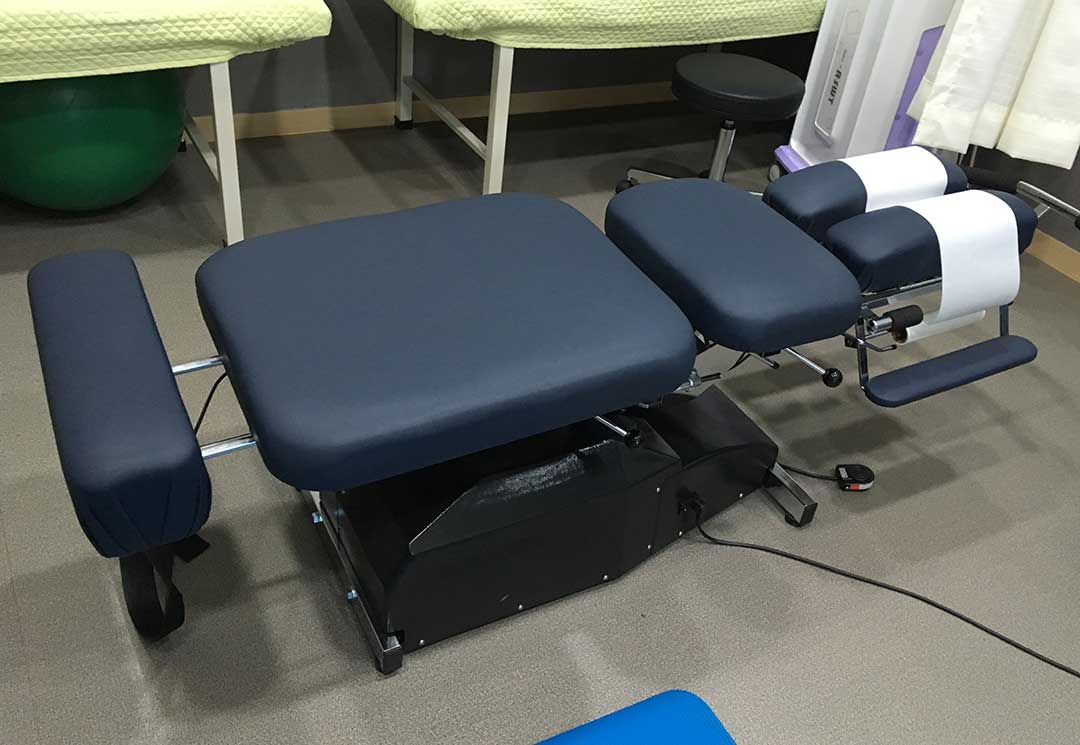
Some people with neck-related headaches may benefit from a careful evaluation of the neck, upper back, movement habits, and contributing factors. Treatment approaches can include mobility exercises, strengthening, ergonomic changes, soft-tissue techniques, and other conservative care.
A headache should not automatically be assumed to require spinal manipulation. The most appropriate approach depends on the headache pattern, medical history, medications, prior injuries, blood pressure, neurological symptoms, and other possible causes. Evaluation is especially important when headaches are frequent, changing, or interfering with normal activities.
When is a headache probably not just posture?
Seek urgent medical attention for a headache that is sudden and severe, follows a significant injury, or occurs with symptoms such as:
- Weakness, numbness, facial drooping, confusion, fainting, or trouble speaking
- New vision loss or major visual changes
- Fever with a stiff neck
- Repeated vomiting or severe dizziness
- Chest pain or shortness of breath
- A new headache during pregnancy or after childbirth
- A rapidly worsening headache or a significant change from usual patterns
A headache that repeatedly returns, wakes someone from sleep, or begins for the first time later in life also deserves medical assessment. Posture may be contributing, but it should not be used to explain away warning signs.
How can someone tell whether posture is involved?
Keep a simple record for one to two weeks. Note when the headache begins, what activities came before it, how long it lasts, where the pain is located, and whether neck movement changes the symptoms.
A posture-related contribution becomes more plausible when headaches consistently follow prolonged sitting, screen use, driving, or looking down and improve with movement or position changes. That observation is useful, but it does not replace an evaluation when symptoms are persistent or unusual.
Poor posture can contribute to headaches by increasing strain on the neck and upper-body muscles, but it is usually one factor rather than a complete explanation. Improving movement habits, varying positions, and paying attention to warning signs can help distinguish ordinary neck tension from a headache that needs broader medical attention.
