

A chiropractic appointment is easier and more useful when the provider has a clear picture of your symptoms, health history, daily activities, and goals. Preparation does not require special exercises or fasting. The most helpful steps are gathering relevant information, wearing practical clothing, and knowing what questions to ask.
What should you do before a chiropractic appointment?
Before the visit, write down what hurts, when it began, what makes it better or worse, and how it affects normal activities. Bring a current list of medications and relevant medical information.
Pain can be difficult to describe during a conversation, especially if it changes throughout the day. A short symptom record for several days may help. Include:
- The location of the pain, stiffness, tingling, or numbness
- Whether symptoms stay in one area or travel into an arm, leg, hand, or foot
- The approximate start date and whether the problem began suddenly or gradually
- Activities that increase symptoms, such as lifting, driving, computer use, walking, or sleeping
- What provides relief, including rest, heat, ice, movement, or medication
- Whether symptoms interfere with work, household tasks, exercise, or sleep
For residents in a dense suburban community such as Lynbrook, everyday factors may include commuting, extended time in a vehicle, desk work, carrying children, home maintenance, or walking on uneven surfaces during winter weather. These details can help explain how symptoms behave outside the examination room.
What information should you bring?
Bring information that may affect examination or treatment decisions. This includes a medication list, recent imaging reports, and details about previous injuries or procedures.
Useful items may include:
- Prescription medications, over-the-counter pain relievers, and supplements
- A list of allergies or medication reactions
- Reports or images from X-rays, MRI scans, or other testing, if available
- Records of previous physical therapy, injections, surgery, or manual treatment
- Information about recent falls, car accidents, sports injuries, or work-related strain
- Details about chronic conditions, including osteoporosis, inflammatory arthritis, bleeding disorders, or neurological conditions
Do not assume that a provider can automatically access records from another office. If you have relevant reports, ask whether copies are needed before the visit. Original imaging is not always necessary, but the written report can be useful.
A list of questions is also worth bringing. Common questions include:
- What might be causing these symptoms?
- What areas will be examined?
- Is treatment appropriate for this condition?
- Are there alternatives to spinal manipulation?
- What symptoms would require medical evaluation?
- What should be avoided after treatment?
- How will progress be measured?
What should you wear?
Wear comfortable clothing that allows reasonable movement. Loose pants, athletic clothing, or other flexible garments are generally practical. Avoid clothing that makes it difficult to examine the back, neck, shoulders, hips, or legs.
You usually do not need to change into specialized clothing, although an examination may be easier if bulky layers, heavy belts, or restrictive garments are removed. Choose supportive, comfortable footwear if walking, balance, or lower-limb symptoms are part of the concern.
There is no need to arrive sweaty from exercise or physically exhausted. Normal hygiene is sufficient. Eating a light meal beforehand may be sensible if appointments tend to make you feel lightheaded, but special dietary preparation is not usually required.
What happens during the first visit?
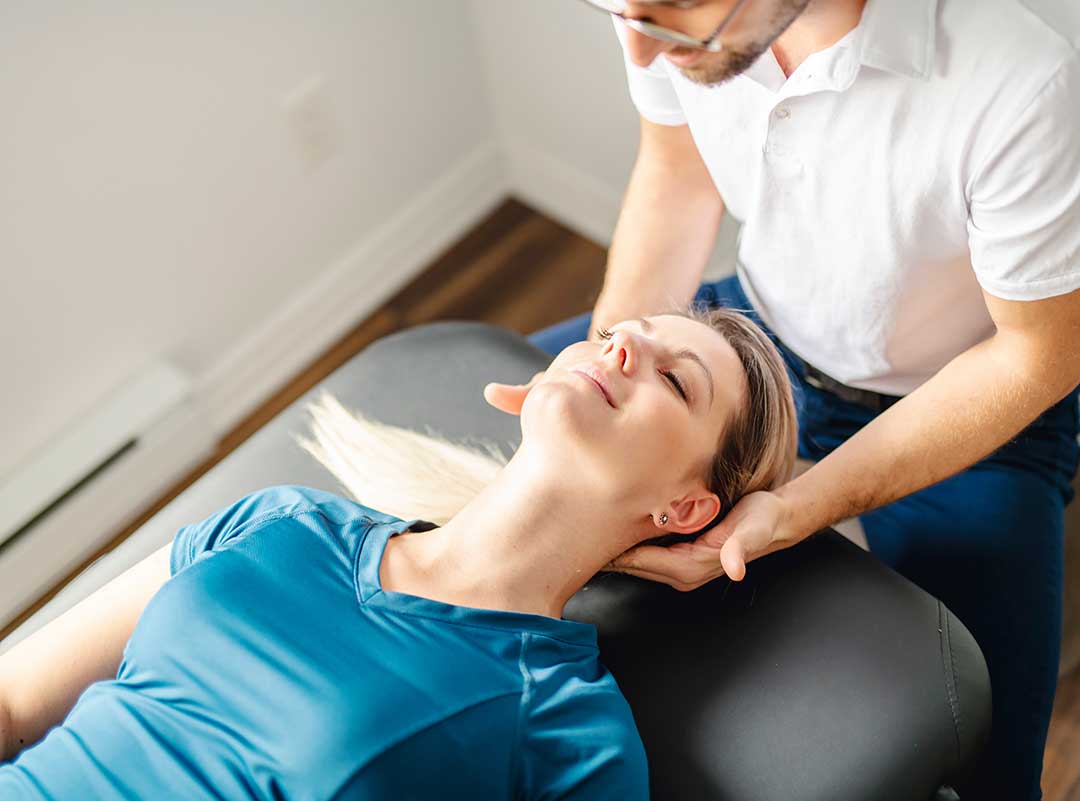
A first visit commonly includes a health history, discussion of symptoms, and a physical examination. The examination may involve observing posture and movement, checking range of motion, and assessing tenderness, strength, reflexes, sensation, or other signs related to the complaint.
Treatment may or may not occur during the first appointment. An evaluation should come before any hands-on technique. Depending on the findings, the visit may include education, movement advice, manual therapy, or a recommendation for additional testing or medical evaluation.
Imaging is not automatically needed for every episode of back or neck pain. It may be considered when the history or examination suggests a fracture, significant nerve involvement, infection, cancer, inflammatory disease, or another condition requiring closer assessment.
A patient should be able to ask for an explanation of any proposed technique. Treatment should not feel rushed, and consent can be withdrawn at any time.
What health conditions should be disclosed?
Tell the provider about all significant health conditions, even if they seem unrelated to the current pain. Some conditions can change which techniques are appropriate or whether treatment should be postponed.
Mention:
- Recent surgery or hospitalization
- Osteoporosis or a history of fractures
- Blood-thinning medication or a bleeding disorder
- Cancer, infection, or unexplained fever
- Inflammatory arthritis or connective-tissue disorders
- Pregnancy or a recent delivery
- Severe or worsening headaches
- Numbness, weakness, loss of coordination, or changes in bladder or bowel control
- A previous reaction to spinal manipulation or other hands-on care
Neck symptoms deserve particular care. Sudden severe neck pain or headache, facial drooping, difficulty speaking, fainting, new vision changes, or one-sided weakness require urgent medical attention rather than routine treatment.
Likewise, back pain accompanied by new loss of bladder or bowel control, numbness in the groin area, significant leg weakness, fever, or major trauma should be evaluated promptly. These warning signs can indicate conditions that require medical care.
Should you take pain medicine before the visit?
Do not change prescribed medication without guidance from the prescribing clinician. If you regularly use pain medicine, take it as directed unless a healthcare professional has told you otherwise.
It may help to record what you took and when. Medication can reduce symptoms enough to make the visit more comfortable, but it may also affect how symptoms are described. Accurate information is more useful than trying to appear either better or worse than usual.
Avoid using alcohol or recreational drugs before treatment. They can affect alertness, balance, judgment, and the ability to report discomfort accurately.
How can you make the appointment more productive?
Be specific rather than minimizing or exaggerating symptoms. Saying “the pain travels from my lower back into the outside of my calf” provides more useful information than simply saying “my back hurts.”
During the examination, report discomfort clearly. Mild pressure or stretching may be expected with some techniques, but sharp, electrical, escalating, or unusual pain should be reported immediately.
Before leaving, make sure you understand:
- What was found during the examination
- Which activities are reasonable to continue
- Whether temporary soreness is possible
- Which symptoms should prompt follow-up or urgent care
- Whether additional medical testing is recommended
- What the next step is, if any
Preparation is not about arriving with a diagnosis. It is about providing accurate information, communicating openly, and making sure any care is appropriate for the symptoms and overall health history.
