

What are chiropractic adjustments?
Chiropractic adjustments are hands-on techniques intended to influence movement in a joint, often in the spine or other parts of the musculoskeletal system. The goal may be to reduce discomfort, improve mobility, or help an athlete move more comfortably during rehabilitation.
For athletes, an adjustment is usually one part of a broader care plan. It does not replace strength training, conditioning, adequate sleep, nutrition, medical evaluation, or sport-specific rehabilitation. The potential benefit depends on the athlete’s symptoms, the cause of those symptoms, and whether the technique is appropriate for the individual.
In Lynbrook, NY, athletes may balance practices and games with school, work, commuting, and limited indoor space for training. Those factors can contribute to repetitive strain, stiffness, and inconsistent recovery routines.
Can adjustments improve athletic performance?
The evidence does not show that chiropractic adjustments reliably make healthy athletes stronger, faster, or more skilled. Some small studies have reported short-term changes in movement, pain, or performance-related tests, but the research is limited and does not establish a dependable performance-enhancing effect.
A more realistic expectation is that reducing pain or improving restricted movement may help an athlete participate more comfortably in training. For example, an athlete with mild, movement-related back stiffness may find it easier to perform a squat, rotate the torso, or maintain proper technique after appropriate care.
That is different from claiming that an adjustment directly increases speed, power, endurance, or competitive results.
What benefits may athletes experience?
Potential benefits vary, but chiropractic care may support athletes in several practical ways when used appropriately.
Short-term relief of musculoskeletal discomfort
Some athletes seek care for non-emergency pain involving the back, neck, hips, or other joints. Spinal manipulation and related manual techniques may provide short-term relief for some types of mechanical low-back pain.
The effect is not universal, and pain relief should not be interpreted as proof that an injury has healed. An athlete who feels better may still need gradual strengthening and a carefully managed return to activity.
Improved comfort with movement
Joint stiffness can affect how an athlete bends, rotates, reaches, lands, or changes direction. If a restricted movement is contributing to symptoms, an adjustment may be used alongside mobility exercises to help restore more comfortable motion.
The purpose should be functional: helping the person move safely and effectively, rather than repeatedly treating a scan, posture, or isolated “misalignment” without considering symptoms and activity demands.
Support during rehabilitation
Athletes commonly need more than passive treatment after an injury. A complete rehabilitation plan may include progressive loading, balance work, coordination drills, flexibility exercises, and sport-specific movements.
An adjustment may be included when it helps address pain or joint mobility, but active rehabilitation generally plays the larger role in rebuilding capacity. The athlete should be able to tolerate normal training demands before returning fully to competition.
Greater awareness of movement habits
A careful assessment may reveal habits that contribute to recurring symptoms, such as sudden increases in training volume, poor recovery, inadequate warmups, or technique changes caused by fatigue. Identifying these factors can be more useful than focusing only on the area that hurts.
For example, a runner with recurring back discomfort may need changes in weekly mileage, strength work, footwear habits, or recovery—not adjustments alone.
Do chiropractic adjustments prevent sports injuries?
There is not strong evidence that routine adjustments by themselves prevent athletic injuries. Injury prevention depends on several factors, including gradual training progression, strength, coordination, warmup practices, sleep, nutrition, appropriate equipment, and recovery between sessions.
Athletes should be cautious of claims that regular adjustments can prevent all injuries or keep the body “in alignment” indefinitely. Sports injuries can result from collisions, falls, overuse, poor landing mechanics, sudden workload increases, or underlying medical conditions. No single treatment eliminates those risks.
A prevention plan is more useful when it addresses the specific sport and the athlete’s current workload.
Are adjustments appropriate after an injury?
Sometimes, but not automatically. An adjustment may be unsuitable immediately after a significant collision, fall, fracture, dislocation, severe sprain, or suspected concussion.
Urgent medical evaluation is appropriate for warning signs such as:
- Inability to bear weight or use a limb normally
- Obvious deformity or rapidly increasing swelling
- Numbness, weakness, loss of coordination, or radiating pain
- Severe neck or back pain after trauma
- Loss of consciousness, confusion, repeated vomiting, or worsening headache
- Loss of bladder or bowel control
- Fever or unexplained illness accompanying back pain
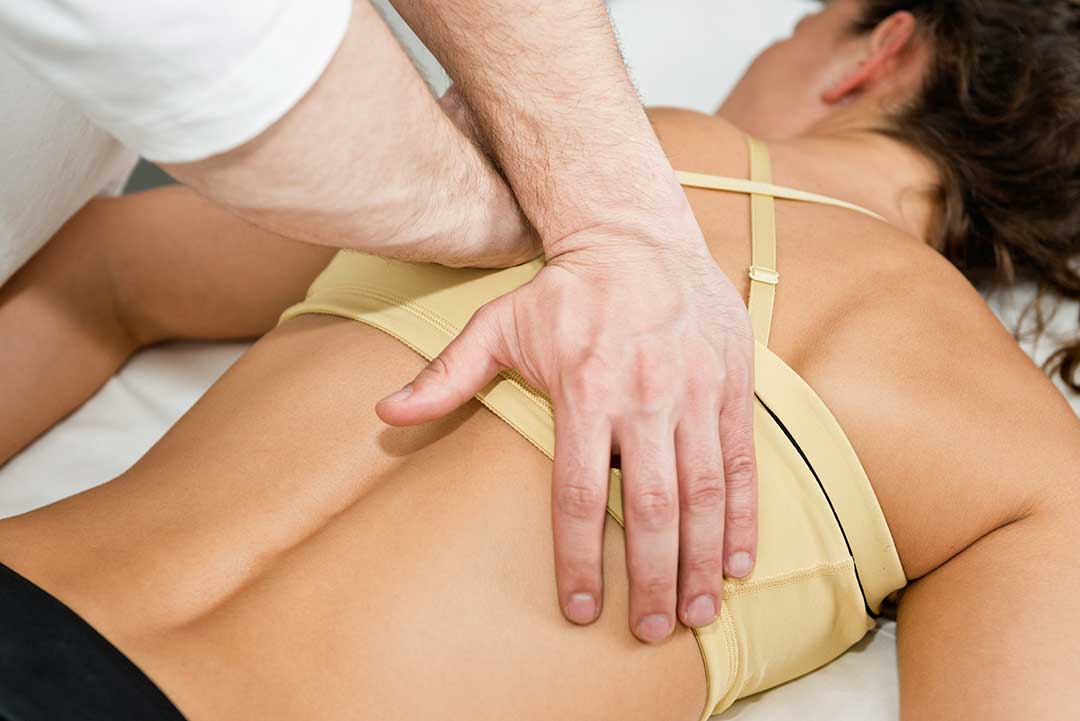
Athletes should also disclose previous surgeries, osteoporosis, blood-clotting problems, inflammatory conditions, cancer history, current medications, and any recent trauma before manual treatment is considered.
Neck manipulation deserves particular caution. Serious complications are rare, but sudden neck movement can be inappropriate for some people, especially when certain risk factors or unexplained symptoms are present. Gentle mobility work or another form of care may be more suitable.
How should chiropractic care fit with other sports care?
The safest approach is coordinated care based on the athlete’s diagnosis and goals. Depending on the problem, the care team may include a physician, physical therapist, athletic trainer, or other qualified health professional.
Chiropractic adjustments should not delay evaluation for symptoms that may involve a fracture, nerve injury, tendon rupture, concussion, infection, or another condition requiring different treatment.
For athletes in the area, seasonal changes may also affect training routines. Cold weather can lead to longer warmups, indoor exercise, reduced outdoor activity, or abrupt shifts when spring and summer sports begin. These transitions can increase soreness if training volume rises faster than strength and conditioning.
What should an athlete ask before receiving an adjustment?
Useful questions include:
- What condition is being treated?
- What improvement should reasonably be expected?
- Are active exercises part of the plan?
- What activities should be limited temporarily?
- What symptoms would require medical evaluation?
- Are there alternatives to manipulation?
- How will progress be measured?
- When is it safe to return to full practice or competition?
A sound plan should be specific, limited to a reasonable purpose, and adjusted according to the athlete’s response. Persistent pain, repeated injury, or declining performance deserves reassessment rather than indefinite passive treatment.
For most athletes, the practical value of chiropractic adjustments is best understood as possible short-term support for pain and movement—not as a substitute for rehabilitation or a guaranteed method of improving performance.
