
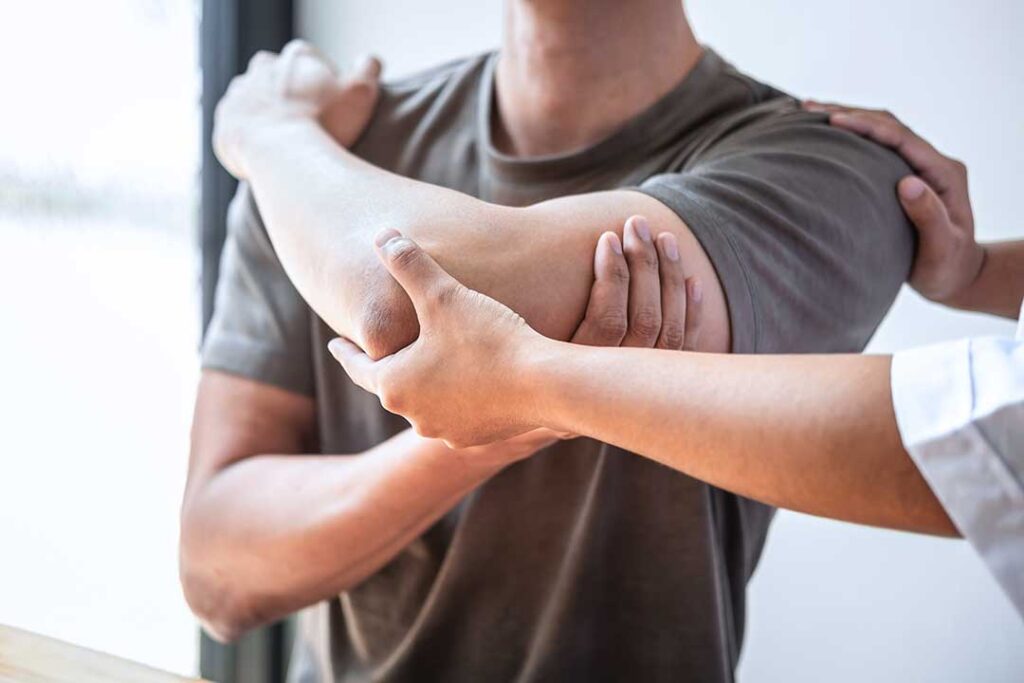
Sciatica can cause sharp, burning, or electric-like pain that travels from the lower back or buttock into the thigh, calf, or foot. Natural self-care may reduce irritation and improve movement, but the right approach depends on the cause and severity of the symptoms.
What does sciatica feel like?
Sciatica is not simply ordinary low back pain. It involves irritation or pressure affecting nerve roots in the lower spine, often producing symptoms along one side of the body.
Common signs include:
- Pain that travels from the low back or buttock into the leg
- Tingling, pins-and-needles, or numbness
- Burning or shock-like sensations
- Weakness in the leg or foot
- Pain that worsens with prolonged sitting, coughing, sneezing, or certain movements
A herniated disc, narrowing around the spinal nerves, arthritis-related changes, or inflammation can contribute. Muscle tightness around the hips and lower back may also increase discomfort, although not every case of buttock or leg pain is true sciatica.
Can natural remedies relieve sciatic pain?
Yes, many people improve with conservative measures such as gentle movement, heat or cold, comfortable positioning, and gradual exercises. These approaches are intended to calm irritated tissues and preserve normal movement rather than force the spine into a particular position.
Most mild cases improve over several weeks. Relief may be gradual rather than immediate, and an activity that helps one person may aggravate another. Stop any exercise that causes worsening leg pain, increasing numbness, or new weakness.
Should you use heat or ice?
Cold can be useful during the first day or two after a flare, especially when the area feels inflamed or irritated. A cold pack wrapped in a thin towel may be applied for about 15 to 20 minutes at a time.
Heat may help later or when muscle tightness is a major part of the discomfort. A warm shower, heating pad, or warm compress can relax stiff muscles and make movement easier. Avoid falling asleep with a heating pad, and check the skin regularly to prevent burns.
Neither heat nor cold should be applied directly to bare skin. People with reduced sensation, circulation problems, or certain medical conditions should use extra caution.
Is walking better than bed rest?
Usually, gentle activity is more helpful than prolonged bed rest. Short, easy walks can prevent stiffness and maintain circulation without placing heavy demand on the spine.
For residents dealing with long periods of sitting at a desk, commuting, or working from home, changing position regularly may be more useful than trying to maintain one “perfect” posture. Consider:
- Standing briefly every 30 to 45 minutes
- Taking short walks around the home or workplace
- Using a chair that supports the lower back
- Keeping both feet supported rather than twisting to one side
- Avoiding extended sitting on soft couches that allow the pelvis to slump
During icy winter conditions, outdoor walking may not be practical. Safe indoor movement, gentle household activity, or walking in a clear, stable area can provide a reasonable alternative.
Which gentle exercises may help?
Exercises should be comfortable, controlled, and introduced gradually. The goal is not to stretch as far as possible. Nerve-related pain can become worse with aggressive stretching.
Commonly used movements include:
- Short walks: Begin with a few minutes and increase gradually if symptoms remain stable.
- Pelvic tilts: While lying on the back with knees bent, gently flatten and release the lower back.
- Knee-to-chest movement: Bring one knee toward the chest only as far as comfortable, then return it slowly.
- Gentle hamstring mobility: Use a relaxed, mild stretch without bouncing or forcing the leg straight.
- Core and hip strengthening: Once acute pain settles, gradual strengthening may improve support during lifting, walking, and daily activities.
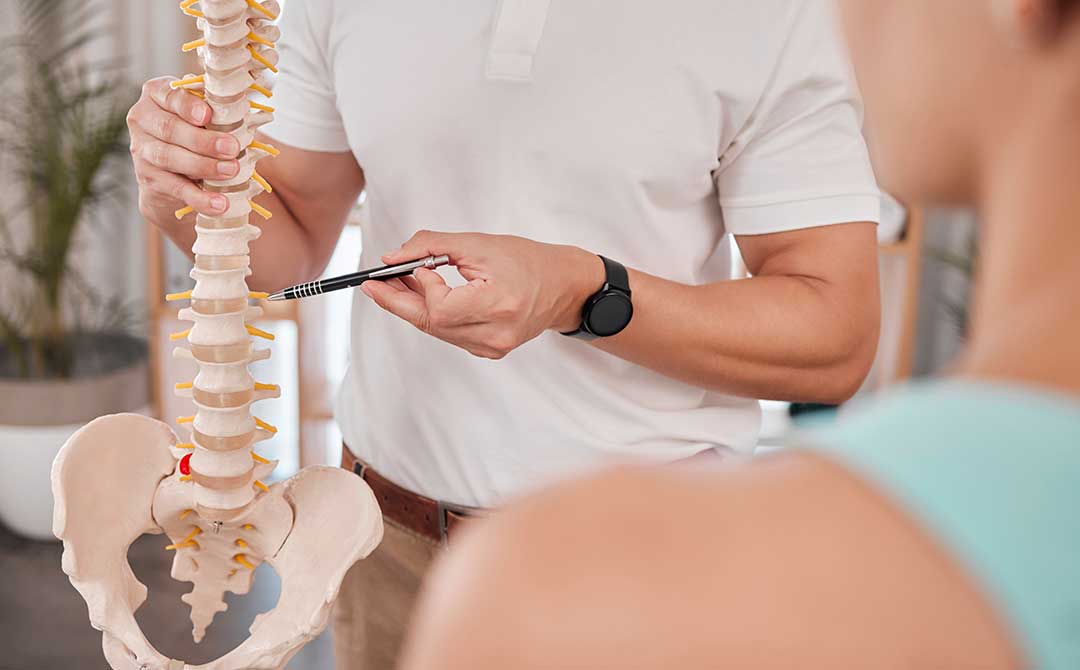
The best direction of movement varies. Some people feel better bending forward, while others respond better to standing or gently extending the lower back. If symptoms repeatedly travel farther down the leg, the exercise may not be appropriate at that stage.
Can sleep position make a difference?
A supportive sleep position may reduce nighttime pressure on the lower back and hips. Side sleeping with a pillow between the knees can help keep the pelvis from rotating. Back sleepers may feel more comfortable with a pillow under the knees.
A mattress does not need to be extremely firm to be supportive. The most useful arrangement is one that allows a neutral, comfortable position without creating a deep sag. If getting out of bed is painful, roll onto the side first, lower the legs, and use the arms to help rise rather than twisting suddenly.
What about massage, chiropractic care, or other natural approaches?
Gentle soft-tissue work may temporarily reduce muscle tension, particularly in the buttocks, hips, and lower back. It should not involve forceful pressure over an area with numbness, significant inflammation, or unexplained swelling.
Spinal manipulation and mobilization may help some people with certain types of low back and leg pain, but they are not appropriate for every cause of sciatica. A proper assessment should come first, especially when symptoms include weakness, progressive numbness, recent trauma, osteoporosis, fever, or a history of cancer.
Other approaches, such as mindfulness, relaxed breathing, and low-impact movement, may help reduce the stress and muscle guarding that often accompany persistent pain. Acupuncture and massage are sometimes used as complementary options, but results vary and these methods should not replace evaluation of serious symptoms.
Are supplements or herbal remedies safe?
“Natural” does not automatically mean risk-free. Herbal products and supplements can interact with blood thinners, diabetes medicines, blood-pressure drugs, and other prescriptions. Some may also affect the liver or kidneys.
There is limited evidence that supplements reliably resolve nerve compression. Before using an herbal product for sciatica, review it with a qualified medical professional, particularly during pregnancy or when managing a chronic condition.
When should sciatica be evaluated urgently?
Seek immediate medical care for:
- New loss of bladder or bowel control
- Numbness around the inner thighs, groin, or buttocks
- Sudden or worsening weakness in the leg or foot
- Severe symptoms affecting both legs
- Pain after a major fall, collision, or other trauma
- Back pain with fever, unexplained weight loss, or a history of cancer
Non-urgent evaluation is also sensible when pain is severe, continues to worsen, disrupts sleep, or does not begin improving with basic self-care. A clinician can determine whether the symptoms are coming from a spinal nerve, the hip, the sacroiliac region, or another condition that may need different treatment.
Natural measures are most useful when they support steady movement, reduce aggravating habits, and respect the body’s warning signs. Relief should be measured by improved function—such as walking, sleeping, or sitting more comfortably—not by forcing through pain.
