

A healthy spine depends less on perfect posture or occasional treatments than on consistent daily habits. Regular movement, sensible lifting, supportive sleep habits, and attention to warning signs can help local residents protect their backs and necks through work, commuting, household tasks, and recreation.
What does it mean to maintain a healthy spine?
Maintaining spinal health means supporting the muscles, joints, discs, bones, and nerves that help the body move and remain upright. It does not mean keeping the back rigid or avoiding all bending. A healthy approach allows normal movement while reducing unnecessary strain and gradually building strength.
Spinal discomfort can develop from several factors, including prolonged sitting, sudden increases in activity, repetitive lifting, awkward positions, poor sleep, stress, or an injury. Age-related changes may also occur without causing symptoms. The goal is not to prevent every ache but to improve resilience and respond appropriately when problems arise.
How much movement does the spine need?
The spine generally benefits from frequent, moderate movement rather than long periods of inactivity followed by strenuous effort. Walking, swimming, cycling, gentle mobility exercises, and regular changes in position can all help reduce stiffness.
Adults are generally advised to work toward at least 150 minutes of moderate physical activity each week, along with muscle-strengthening activity on two days. Someone who is currently inactive does not need to begin at that level immediately. Starting with five- or ten-minute walks and gradually increasing duration is often more practical.
For residents balancing desk work, commuting, household responsibilities, and seasonal outdoor chores, movement can be divided throughout the day:
- Walk briefly after sitting for extended periods.
- Change positions before stiffness becomes uncomfortable.
- Use stairs when appropriate and safe.
- Add gentle trunk, hip, and leg strengthening to a weekly routine.
- Increase exercise gradually rather than making a large jump in distance, weight, or intensity.
A short daily routine performed consistently is usually more useful than an ambitious program that causes soreness or is difficult to maintain.
Is posture really important?
Posture matters, but there is no single perfect position that must be held all day. Remaining in any fixed position for too long can create discomfort, even if the position initially feels good.
A balanced sitting position typically includes:
- Feet supported on the floor or a stable footrest.
- Hips level with, or slightly higher than, the knees.
- Shoulders relaxed rather than rounded forward.
- A screen positioned so the head does not remain bent downward.
- The lower back supported without forcing an exaggerated arch.
At home, workstations often need adjustment because dining chairs, couches, and improvised laptop setups are not designed for long periods of sitting. During colder months, people may also spend more time indoors and become less active, making regular movement breaks particularly useful.
Try standing, walking, or gently moving for a few minutes every 30 to 60 minutes. The purpose is not to maintain rigid alignment but to prevent prolonged static loading.
What is the safest way to lift?
Safe lifting begins before the object leaves the ground. Move close to the item, assess its weight, and decide whether it can be handled comfortably. Large containers, packed storage bins, wet laundry, and seasonal household items can be heavier than they appear.
For a floor-level lift:
1. Stand close to the object with feet positioned for balance.
2. Bend through the hips and knees while keeping the back in a comfortable, natural position.
3. Tighten the abdominal muscles gently without holding the breath.
4. Keep the load close to the body.
5. Rise using the legs rather than pulling mainly with the lower back.
6. Turn by moving the feet instead of twisting while carrying the object.
If an item is too heavy, unstable, or difficult to grip, divide the load or ask another person to help. Repeated lifting while twisting, especially when tired, can place greater demand on the back.
Which exercises support the back and neck?
A useful spine-care program usually combines aerobic activity, strength, balance, and mobility. The specific exercises should match a person’s age, fitness level, health conditions, and current symptoms.
Examples that may support general conditioning include walking, body-weight squats, hip hinges, resistance-band rows, bridges, and controlled core exercises. Neck and upper-back comfort may also benefit from gentle shoulder-blade movements and regular breaks from forward-head positions.
Stretching can improve comfort and mobility, but stretching alone does not replace strength training. Exercises should feel controlled rather than sharp, and intensity should increase slowly. New pain, spreading symptoms, or worsening weakness is a reason to stop the activity and seek medical guidance.
People with osteoporosis, a recent injury, balance problems, neurological symptoms, or significant ongoing pain may need individualized exercise instructions rather than a general routine.
How do sleep and daily habits affect spinal comfort?
Sleep position is a matter of comfort, but support can make a difference. Side sleepers may feel better with a pillow that keeps the neck level and, if helpful, a pillow between the knees. Back sleepers may prefer support under the knees. Stomach sleeping can place the neck in prolonged rotation, although comfort and individual needs vary.
A mattress does not need to be extremely firm to support the spine. The more useful test is whether it allows restful sleep without creating morning pain or pressure.
Other habits also matter. Staying hydrated supports general body function, while balanced nutrition and avoiding tobacco contribute to overall tissue and bone health. Maintaining a weight that is healthy for the individual may reduce physical demands on the spine, but weight should be approached as one health factor rather than a measure of personal success.
When should back or neck pain be evaluated?
Many episodes of mild back discomfort improve with continued, gentle activity and time. Bed rest for long periods can increase stiffness and weakness. However, certain symptoms require prompt medical evaluation.
Seek urgent care for back or neck pain accompanied by:
- New loss of bladder or bowel control.
- Numbness in the groin or inner thighs.
- Significant or progressive weakness in an arm or leg.
- Severe pain after a fall, collision, or other trauma.
- Fever, unexplained weight loss, or feeling seriously unwell.
- Pain that is constant, worsening, or repeatedly disrupting sleep.
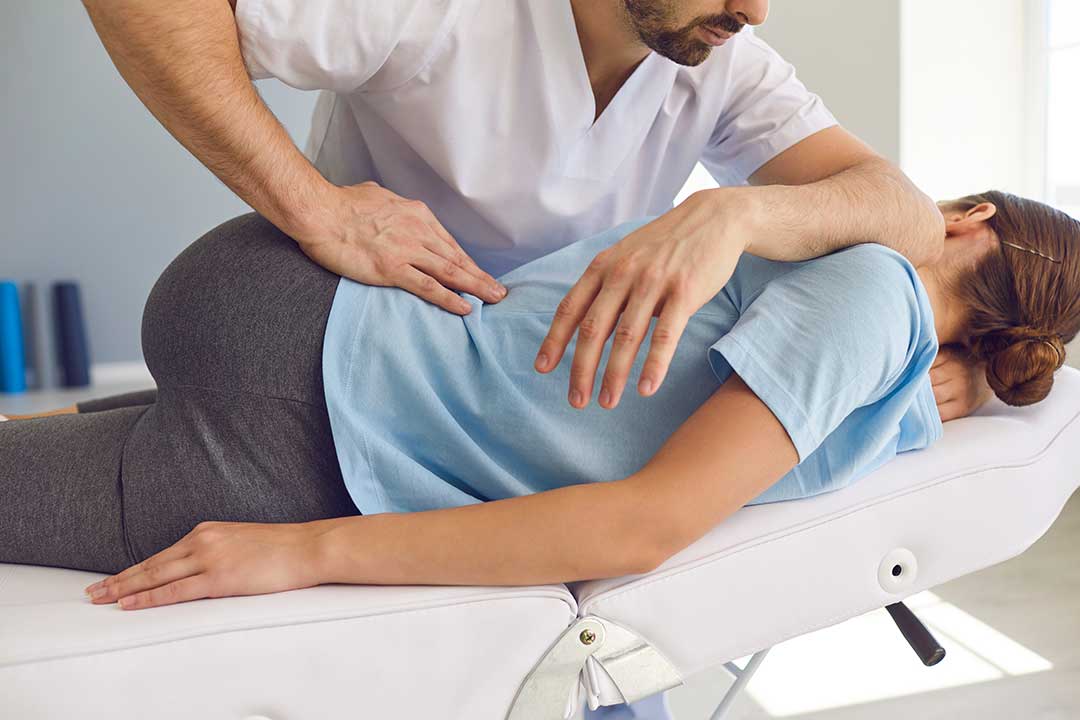
Persistent symptoms, recurring episodes, or pain that travels into an arm or leg also deserve a proper assessment. A chiropractor, physician, physical therapist, or other qualified health professional may help determine whether the problem is mechanical or whether further testing is needed. The appropriate care depends on the symptoms, medical history, and examination findings.
For most households in Lynbrook, practical spine care comes down to regular movement, gradual conditioning, thoughtful lifting, adaptable work and sleep positions, and timely attention to symptoms that do not follow a normal recovery pattern.
