
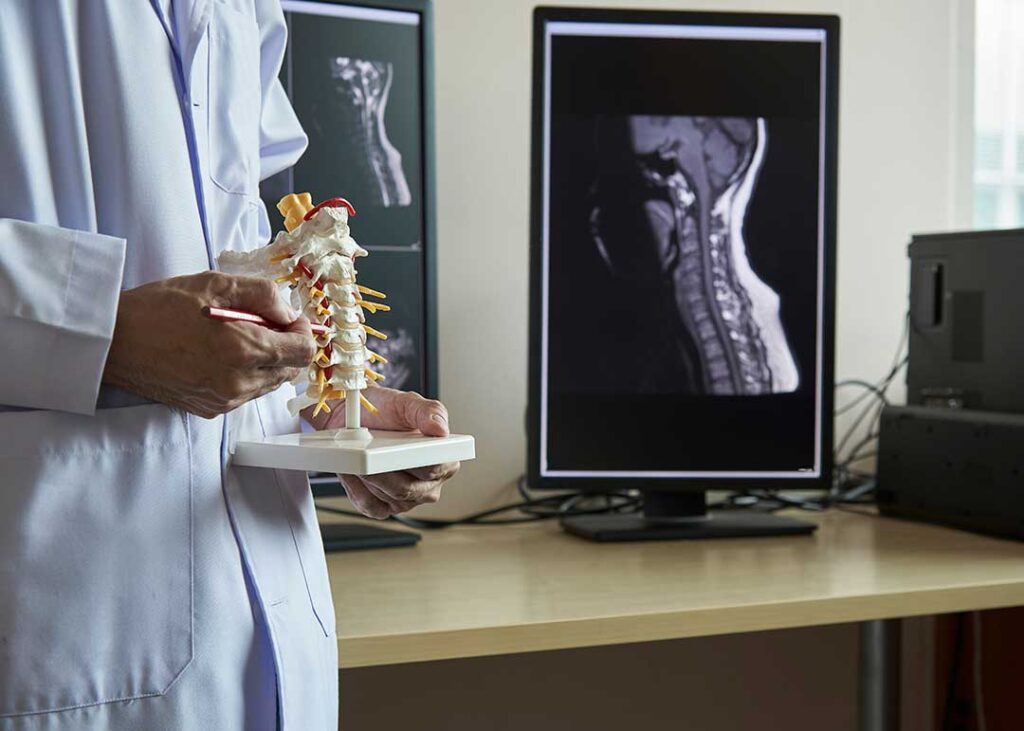
Daily movement does not need to be intense or time-consuming to support comfort, mobility, and general physical health. For residents in Lynbrook, a useful approach is to reduce long periods of sitting, change positions regularly, and choose simple movements that fit naturally into work, household, commuting, and recreational routines.
Why does movement throughout the day matter?
Regular movement helps prevent the stiffness and discomfort that can develop when the body stays in one position for too long. Light activity also supports joint mobility, muscle endurance, balance, circulation, and coordination.
A person can exercise regularly and still spend most of the day sitting. A morning workout may be helpful, but it does not fully offset several uninterrupted hours at a desk, in a vehicle, or on a sofa. Short periods of movement spread across the day can complement planned exercise.
Useful movement does not always look like formal exercise. Standing to prepare a meal, walking while speaking on the phone, carrying household items carefully, or taking a brief outdoor walk all contribute to a more active day.
How often should you change positions?
Try to change position at least every 30 to 60 minutes during sedentary tasks. The goal is not to follow a rigid schedule, but to avoid remaining in one posture until discomfort becomes noticeable.
Simple position changes include:
- Standing for a few minutes after sitting
- Walking to another room and back
- Rolling the shoulders gently
- Straightening the legs and moving the ankles
- Performing a few controlled bodyweight movements
- Adjusting the chair, desk, or screen height
A timer or calendar reminder can help people who become absorbed in work or household responsibilities. The reminder should prompt movement, not necessarily a full exercise break.
What are practical ways to move more during work?
People who work at home or spend time at a desk can build movement into ordinary tasks. Place frequently used items slightly farther away so that standing and walking are required occasionally. Use phone calls as opportunities to stand or walk when concentration and safety allow.
A comfortable workstation should allow the feet to rest securely, the shoulders to remain relaxed, and the screen to sit near eye level. The keyboard and mouse should be close enough that the elbows do not remain pulled forward for long periods.
Avoid trying to maintain a perfectly rigid posture all day. Even a well-aligned position can become uncomfortable if it is held without change. A more realistic goal is a varied posture: sitting upright, standing briefly, walking, and shifting position comfortably.
How can household tasks support healthy movement?
Cleaning, cooking, laundry, and home maintenance can involve useful physical activity, but they can also place strain on the back, shoulders, wrists, and knees if performed repeatedly with awkward mechanics.
When lifting an object, move close to it before picking it up. Keep the load near the body, use both hands when practical, and turn with the feet rather than twisting through the spine. For heavier or unstable objects, divide the load into smaller portions or ask for assistance when necessary.
During tasks performed at floor level, avoid staying bent forward for long periods. Squatting, kneeling with support, or using a small stool may reduce sustained strain. Alternate hands during repetitive work such as wiping, sweeping, or gardening.
Seasonal chores may require extra planning. Cold weather can make muscles feel less flexible, while warm-weather outdoor tasks may involve prolonged bending, carrying, or reaching. Start gradually, take water breaks, and avoid completing a large amount of work in one uninterrupted session.
What movements can help after sitting?
After a long period of sitting, gentle movement is usually more appropriate than sudden, forceful stretching. Begin by standing slowly and walking for a minute or two. Then try controlled movements such as:
- Shoulder rolls in both directions
- Gentle neck turns within a comfortable range
- Heel raises while holding a stable surface
- Marching in place
- Hip hinges with a straight, relaxed back
- Ankle circles and foot flexing
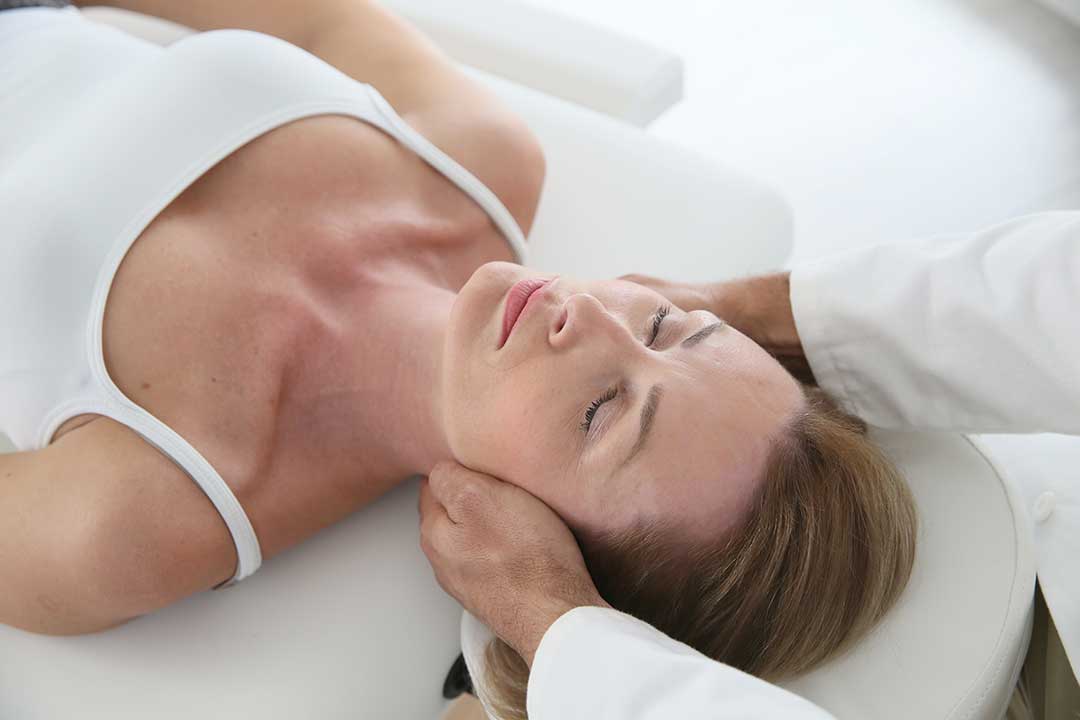
Movements should feel controlled rather than sharp, forced, or painful. Stretching does not need to produce strong tension to be useful. Bouncing or pushing into pain can increase irritation, especially when the body is already tired or stiff.
How can walking fit into a busy day?
Walking is one of the simplest ways to add moderate movement without specialized equipment. Short walks can be divided throughout the day rather than completed in one long session.
Consider walking for a few minutes after meals, taking an extra loop during routine errands, or using an indoor route when weather conditions are unpleasant. Residential sidewalks, local streets, and nearby public spaces may offer opportunities for walking, but route choices should account for traffic, lighting, snow, ice, heat, and uneven pavement.
Comfortable footwear can help reduce unnecessary foot and leg fatigue. Increase walking time gradually if the current routine is mostly sedentary. A sudden increase in distance, hills, or speed may lead to soreness that is difficult to distinguish from an injury.
How should movement change for older adults?
Older adults often benefit from combining walking with strength, balance, and mobility exercises. Holding a stable countertop or sturdy chair can provide support during balance work, but unstable furniture should not be used.
Helpful activities may include repeated sit-to-stand movements, controlled heel raises, gentle leg lifts, and brief walks. The difficulty should match current ability. Someone who feels unsteady, has recently fallen, or has a condition affecting balance should use additional caution and seek individualized medical guidance before attempting challenging exercises.
Balance practice is most appropriate when the floor is clear, lighting is good, and there is a stable support nearby.
What should people do if movement causes pain?
Mild muscle tiredness after unfamiliar activity can be normal, but sharp pain, worsening pain, numbness, tingling, unusual weakness, or pain that changes walking or daily function deserves attention. Stop the movement that causes these symptoms rather than trying to push through them.
Urgent medical evaluation is appropriate for severe or sudden symptoms, loss of strength, difficulty breathing, chest pressure, fainting, or new problems with bladder or bowel control. Persistent pain also warrants a more individualized assessment, particularly if it follows a fall or other injury.
A common misconception is that complete rest is always the answer to discomfort. Some conditions require temporary activity reduction, but prolonged inactivity can increase stiffness and reduce confidence. The safest level of movement depends on the symptoms, underlying health, and cause of the problem.
How can families make movement part of daily life?
Movement is easier to maintain when it is attached to existing routines. A household might take a short walk after dinner, stretch during television breaks, or use active games instead of remaining seated for the entire evening.
Children and adults do not need identical activities. Younger family members may benefit from play and varied movement, while adults may focus on walking, strength, flexibility, or balance. The shared goal is to avoid treating movement as something that happens only during a formal workout.
For many local residents, the most sustainable routine is a flexible one: change position during work, walk when conditions permit, use safe body mechanics for household tasks, and respond early to unusual symptoms. Consistency matters more than intensity.
