
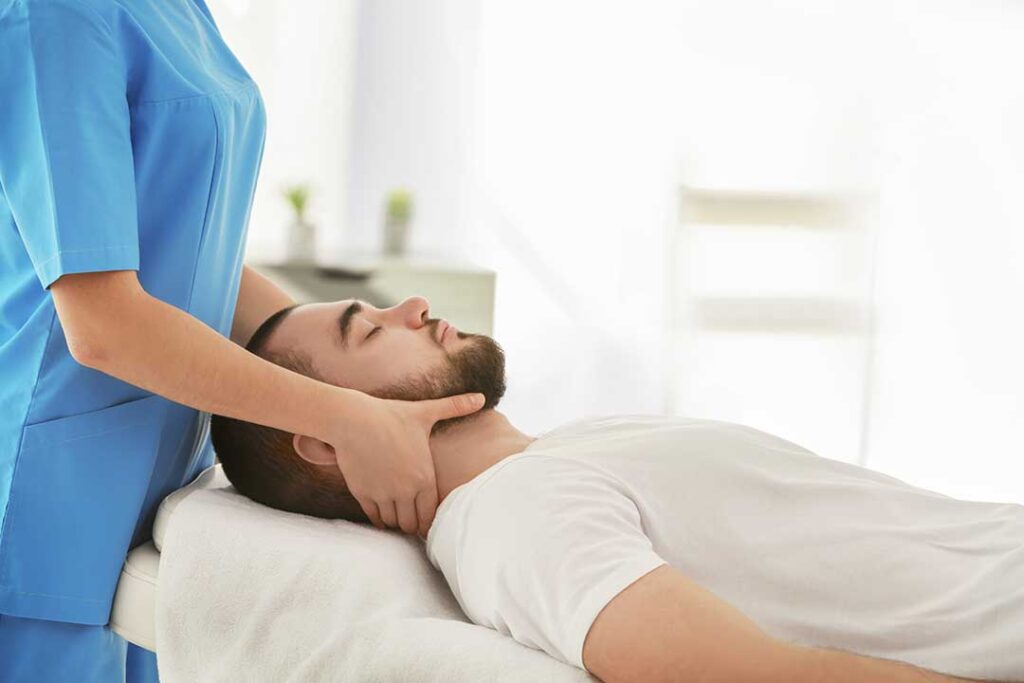
A minor back strain often improves with careful movement, brief use of cold or heat, and a gradual return to normal activities. For residents of Lynbrook, NY, simple home care can be especially useful after lifting, shoveling, gardening, commuting, or spending long periods sitting.
A back strain usually affects muscles or ligaments. It may cause soreness, tightness, muscle spasms, or pain with bending and turning. Home care is generally reasonable when the discomfort began after a recognizable activity and there are no warning signs of a more serious problem.
What should be done during the first day or two?
Reduce activities that clearly increase pain, but avoid staying in bed for long periods. Short, easy walks around the home can help prevent stiffness, while heavy lifting, repeated bending, twisting, and strenuous exercise should be paused temporarily.
For a newly strained back, a cold pack may help reduce discomfort. Wrap it in a thin towel and apply it for about 15 to 20 minutes at a time. Do not place ice directly against the skin, and allow the skin to return to its normal temperature between applications.
Some people prefer warmth because it relaxes tight muscles. A warm shower or heating pad on a low setting may be useful, particularly when stiffness and spasms are more bothersome than swelling. Heat should feel comfortably warm, not hot, and should not be used while sleeping.
There is no universal rule that cold is always better during the first 48 hours or that heat is always better afterward. The safer choice is the option that provides relief without irritating the skin or increasing symptoms.
Is bed rest helpful for a strained back?
Extended bed rest usually slows recovery rather than improving it. Remaining still for a day may be reasonable if ordinary movement is very painful, but spending several days in bed can increase stiffness, reduce strength, and make it harder to resume normal activities.
Try changing positions regularly. A few minutes of gentle walking may be more helpful than remaining on a couch for hours. Household tasks can be divided into smaller portions. For example, instead of carrying several bags at once, make multiple lighter trips or ask someone else to handle heavier items while the back settles.
In a dense community with frequent walking, stairs, public transportation, and compact household spaces, pacing matters. Use handrails on stairs, move slowly when standing from a chair, and avoid rushing through tight or awkward lifting positions.
What sleeping positions may ease back soreness?
The most comfortable position varies, but several arrangements may reduce pressure:
- Side sleeping with a pillow between the knees can keep the hips and spine more evenly aligned.
- Back sleeping with a pillow under the knees may reduce the hollow in the lower back.
- If lying on the stomach increases discomfort, choose a side or back position instead.
A supportive mattress is useful, but replacing a mattress is rarely necessary for a short-lived strain. Start with pillows and positioning changes before making major household purchases.
Can stretching help, or can it make the strain worse?
Gentle movement can help, but forceful stretching soon after an injury may increase pain. During the first few days, focus on comfortable walking and small changes in position rather than deep forward bends, intense yoga poses, sit-ups, or aggressive hamstring stretching.
A useful test is whether the movement feels easier afterward. Stop if it causes sharp pain, increasing spasms, numbness, or pain that travels down the leg. As symptoms improve, light mobility exercises may be introduced gradually, but strengthening work should wait until ordinary movements are more comfortable.
Do not use pain relief as a reason to push through strenuous activity. A temporary decrease in pain does not necessarily mean the tissues are ready for lifting, sports, or demanding yard work.
Are over-the-counter medicines safe for everyone?
Over-the-counter pain medicines may help some adults, but they are not appropriate for everyone. Ibuprofen and naproxen can irritate the stomach and may be unsafe for people with kidney disease, certain heart conditions, uncontrolled high blood pressure, a history of ulcers or gastrointestinal bleeding, or those taking particular medications. Acetaminophen may also be unsafe with liver disease or excessive alcohol use.
Read the label carefully, follow the stated dose, and avoid combining products that contain the same ingredient. Children, pregnant individuals, older adults, and people taking prescription medicines should ask a pharmacist or medical clinician before using these medications.
Topical pain-relief products may also cause skin irritation. Do not apply them to broken skin, and wash hands after use unless the label says otherwise.
How can seasonal chores trigger another strain?
Back strains often recur when the original activity is resumed too quickly. In Lynbrook, seasonal tasks such as clearing wet leaves, moving outdoor furniture, gardening, or handling snow and ice can place sudden demands on the lower back.
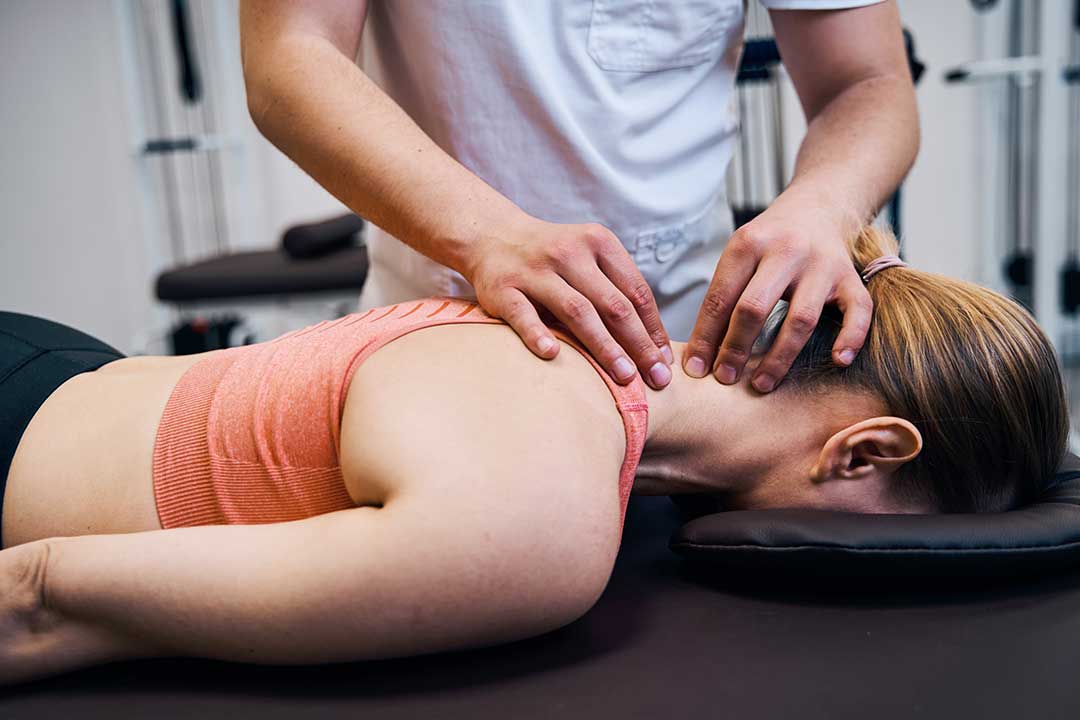
To reduce risk:
- Warm up with several minutes of easy walking before demanding chores.
- Keep loads close to the body.
- Bend at the hips and knees rather than rounding the back.
- Turn with the feet instead of twisting while carrying something.
- Use smaller loads and take frequent breaks.
- Avoid lifting on slippery or uneven surfaces.
- Stop when fatigue causes posture or balance to deteriorate.
Cold weather can make muscles feel stiffer, while wet conditions can increase the risk of slipping. Wearing stable footwear and clearing a safe path before carrying anything may prevent a minor strain from becoming a more serious injury.
When is back pain more than a minor strain?
Seek urgent medical attention for back pain accompanied by new loss of bladder or bowel control, numbness around the groin or inner thighs, significant weakness in a leg, inability to walk normally, or severe pain following a fall or other major injury.
Prompt medical evaluation is also appropriate for fever, unexplained weight loss, a history of cancer, severe abdominal symptoms, pain that is constant and worsening, or pain that travels down a leg with progressive numbness or weakness. These symptoms do not prove a dangerous condition, but they should not be managed only with home remedies.
For a typical mild strain, improvement should begin over several days. Pain that is severe, repeatedly returns, interferes with basic activities, or is not improving after a reasonable period deserves an evaluation to confirm that the problem is truly muscular and to identify safe next steps.
What is the main mistake to avoid?
The most common mistake is doing too much too soon. A person may feel slightly better after heat, medication, or rest and then return immediately to lifting, exercise, or prolonged household work. A steadier approach is to resume activity in stages: comfortable walking first, ordinary daily tasks next, and heavier work only when bending, standing, and turning are no longer significantly painful.
Home care is most appropriate for a straightforward, improving strain. Listening to symptom changes, protecting the back from repeated stress, and recognizing warning signs provide a safer path toward normal activity.
