
Living with persistent pain can affect sleep, movement, work, household responsibilities, and mood. For residents of Lynbrook, NY, self-care is often most effective when it focuses on steady routines rather than quick fixes: regular movement, sensible pacing, restorative sleep, stress management, and careful tracking of symptoms.
Chronic pain is generally pain that continues or returns for three months or longer. It may involve the back, neck, joints, muscles, nerves, or several areas at once. The right self-care plan depends on the cause, but several principles are broadly useful.
What should be the first step in managing chronic pain?
The first step is to understand the pattern of pain and set a practical goal. Pain intensity matters, but function matters too. A useful goal might be standing long enough to prepare a meal, walking comfortably around the block, sleeping through more of the night, or completing routine tasks with fewer breaks.
A simple pain diary can help identify patterns. Record:
- Where the pain occurs and how it feels
- Activities that increase or relieve symptoms
- Sleep quality and stress level
- Time of day when symptoms are worst
- What self-care measures were tried
- Whether movement or rest improved function
This information can reveal overlooked contributors, such as long periods of sitting, repeated lifting, poor sleep, or doing too much on a better day.
How can movement help without making pain worse?
Regular, manageable movement is usually more helpful than prolonged bed rest. Exercise may improve strength, joint mobility, circulation, confidence, and the ability to perform daily activities. It does not need to be intense to be useful.
Start with an activity that feels realistic, such as:
- Short walks on level routes
- Gentle range-of-motion exercises
- Light strengthening using body weight or resistance bands
- Water-based movement, if available and appropriate
- Brief mobility breaks during desk work or household tasks
Use the “start low and go slowly” approach. A five-minute walk performed consistently may be more useful than a 30-minute walk that causes several days of increased symptoms. Mild, temporary discomfort can occur with new activity, but sharp, escalating, or spreading pain is a reason to stop and reassess.
During colder months, damp weather, icy sidewalks, and reduced daylight may make outdoor activity harder. Indoor walking, gentle mobility work, or frequent movement breaks can help maintain a routine without depending on ideal conditions.
What does pacing mean, and why is it useful?
Pacing means balancing activity and rest so that tasks are completed before symptoms become overwhelming. It helps prevent the common cycle of doing too much on a good day, experiencing a flare-up, and then becoming inactive for several days.
To pace an activity:
1. Estimate how long the activity can be done comfortably.
2. Stop before reaching the point of exhaustion or severe pain.
3. Rest briefly, then resume if symptoms remain manageable.
4. Increase activity gradually rather than making large jumps.
Household work often benefits from pacing. Break cleaning, laundry, shopping preparation, or yard tasks into smaller sections. Alternate heavier activities with lighter ones. Keep frequently used items within easy reach when possible, and avoid repeatedly twisting while lifting.
Pacing is not the same as avoiding all activity. The aim is to build a more dependable level of function over time.
Should heat or cold be used for chronic pain?
Heat may help with muscle tightness and stiffness, while cold may temporarily reduce soreness or swelling after activity. Neither approach treats every cause of pain, so use the method that provides relief without irritating the skin.
For safer use:
- Place a cloth between the skin and the heat or cold source.
- Limit applications to short periods.
- Avoid falling asleep with a heating pad in place.
- Check the skin during and after use.
- Use extra caution if sensation or circulation is reduced.

People with diabetes, circulation problems, nerve disorders, or skin conditions should ask a qualified clinician whether heat or cold is appropriate.
How do sleep and stress affect persistent pain?
Poor sleep can increase sensitivity to pain, reduce energy, and make movement more difficult. Pain can also interrupt sleep, creating a cycle that is difficult to break.
Helpful sleep habits include keeping a consistent wake time, limiting stimulating activities close to bedtime, making the bedroom comfortable, and using a wind-down routine. If pain makes one position uncomfortable, pillows or other supportive adjustments may reduce strain. Persistent snoring, pauses in breathing, or severe daytime sleepiness deserve medical attention.
Stress does not mean pain is imaginary. Stress can increase muscle tension, disturb sleep, and heighten the nervous system’s response to uncomfortable sensations. Slow breathing, progressive muscle relaxation, mindfulness, gentle stretching, or quiet music may help reduce that added strain. Even two or three minutes of deliberate breathing can be useful during a difficult moment.
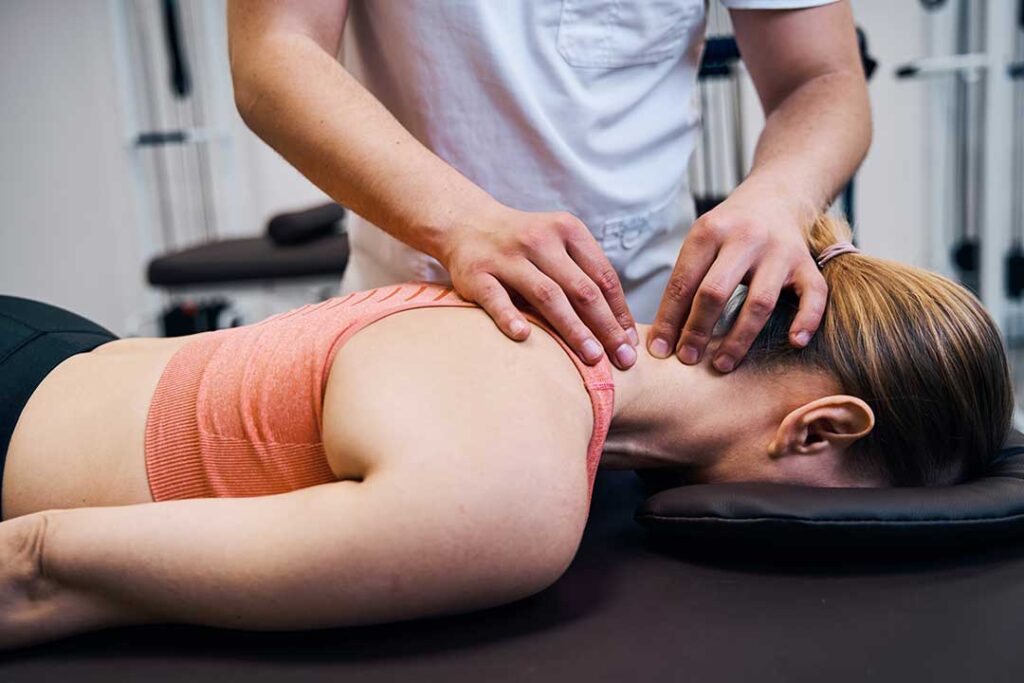
Can chiropractic care be part of a self-care plan?
For some people, chiropractic treatment may be included in a broader plan for musculoskeletal pain, particularly certain types of back or neck pain. Evidence varies by condition, and benefits are often modest or short term. Spinal manipulation should not be viewed as a cure for every form of chronic pain.
Self-care remains important whether or not hands-on treatment is used. Movement, exercise, sleep support, education, and gradual return to activities usually form the foundation of long-term management. Any treatment plan should account for medical history, medications, osteoporosis risk, recent injuries, neurological symptoms, and the actual source of pain.
A person should be cautious about treatments that promise to permanently correct all chronic pain, require long-term dependence, or discourage appropriate medical evaluation.
What should happen during a flare-up?
A flare-up is a temporary increase in symptoms. It does not always mean new damage has occurred, but a sudden change should be taken seriously if it is unusual or severe.
During a flare-up:
- Reduce activity temporarily, but avoid complete bed rest unless medically advised.
- Use previously helpful heat, cold, breathing, or positioning strategies.
- Break essential tasks into smaller steps.
- Resume normal movement gradually as symptoms settle.
- Review what may have contributed, such as unusual lifting, poor sleep, illness, or excessive activity.
Seek urgent medical evaluation for new loss of bladder or bowel control, severe weakness, numbness in the groin area, sudden paralysis, chest pain, major injury, unexplained fever, or severe pain with concerning neurological changes. New unexplained weight loss, a history of cancer, significant immune suppression, or pain that is rapidly worsening also warrants prompt medical assessment.
How can residents make self-care easier to maintain?
A plan is more likely to last when it fits ordinary life. Keep walking shoes or exercise clothing accessible, place reminders near frequently used work areas, and connect movement with an established routine such as after breakfast or during a work break.
Choose one or two changes first. For example, a person might begin with a five-minute walk and a consistent bedtime rather than attempting a complete lifestyle overhaul. Track function weekly instead of judging progress by pain alone. Progress may appear as improved stamina, fewer interruptions, better sleep, or greater confidence with movement.
Chronic pain management is usually a process of adjustment. The most useful approach is one that is safe, repeatable, and flexible enough to continue through busy weeks, winter weather, household demands, and occasional setbacks.
