

Pregnant residents in Lynbrook, NY often ask whether chiropractic adjustments are safe for back pain, pelvic discomfort, or changes in posture. The short answer is that gentle, pregnancy-adapted care may be appropriate for some people, but safety depends on the pregnancy, the technique used, and coordination with prenatal care.
Research on spinal manipulation during pregnancy is limited. Serious complications appear to be rare, yet the available evidence is not strong enough to treat every pregnancy or every adjustment technique as equally safe. A pregnant patient’s obstetric or midwifery care team should remain the main source of guidance for medical concerns during pregnancy.
Can a pregnant person safely receive a chiropractic adjustment?
Often, yes—but only after considering individual health factors. A qualified provider should know that the patient is pregnant, how far along the pregnancy is, whether complications are present, and what symptoms are being treated.
Pregnancy changes the body in ways that affect positioning and joint movement. Ligaments become more flexible, the center of gravity shifts, and the pelvis and lower back handle different loads. An adjustment intended for a nonpregnant adult may not be suitable during pregnancy.
Pregnancy-adapted care generally avoids forceful techniques, unnecessary twisting, pressure on the abdomen, and positions that cause discomfort or prolonged flat-on-the-back positioning later in pregnancy. Side-lying or supported positions may be used instead.
The goal should be limited and specific, such as easing musculoskeletal pain or improving comfortable movement. Chiropractic adjustment should not be presented as a way to prevent miscarriage, turn a breech baby, induce labor, or treat pregnancy complications.
What symptoms might bring someone to care?
The most common concerns are mechanical or musculoskeletal symptoms related to normal physical changes. These may include:
- Low-back aching
- Pain around the sacroiliac or pelvic joints
- Hip discomfort
- Muscle tightness
- Difficulty changing positions
- Discomfort with walking, standing, or sleeping
These problems can be especially noticeable in a walkable, densely settled community where residents may spend time on foot, use public transportation, climb stairs, or manage household tasks in compact homes. Seasonal cold, wet pavement, or icy walking surfaces can also increase the chance of slips and muscle strain, although a fall during pregnancy should be medically assessed even if pain seems minor.
An adjustment may help some people with short-term musculoskeletal discomfort, but it is not guaranteed to work. Stretching, activity modification, supportive footwear, physical therapy, heat or cold used appropriately, and pregnancy-approved medication may also be considered with guidance from the prenatal care team.
When should chiropractic care be delayed or avoided?
A pregnant person should not use an adjustment to self-treat symptoms that could signal a pregnancy emergency. Prompt medical evaluation is more appropriate for:
- Vaginal bleeding
- Leakage of fluid
- Regular contractions or signs of preterm labor
- Sudden or severe abdominal or pelvic pain
- Fever or feeling acutely ill
- Severe headache, vision changes, or sudden swelling
- Chest pain or trouble breathing
- New weakness, numbness, or loss of bladder or bowel control
- Significant pain after a fall, collision, or other injury
- Decreased fetal movement when movement had previously been established
Extra caution is also needed with conditions such as placenta-related complications, preeclampsia, uncontrolled high blood pressure, blood-clotting problems, serious osteoporosis, infection, major trauma, or a high-risk pregnancy. These conditions do not automatically answer every safety question, but they make individualized medical guidance especially important.
Does the trimester change the approach?
Yes. The stage of pregnancy affects comfort, positioning, and the type of examination that is reasonable.
During the first trimester, the abdomen may not yet be prominent, but pregnancy-related symptoms and medical risks still matter. A provider should not assume that a small belly means ordinary treatment is appropriate.
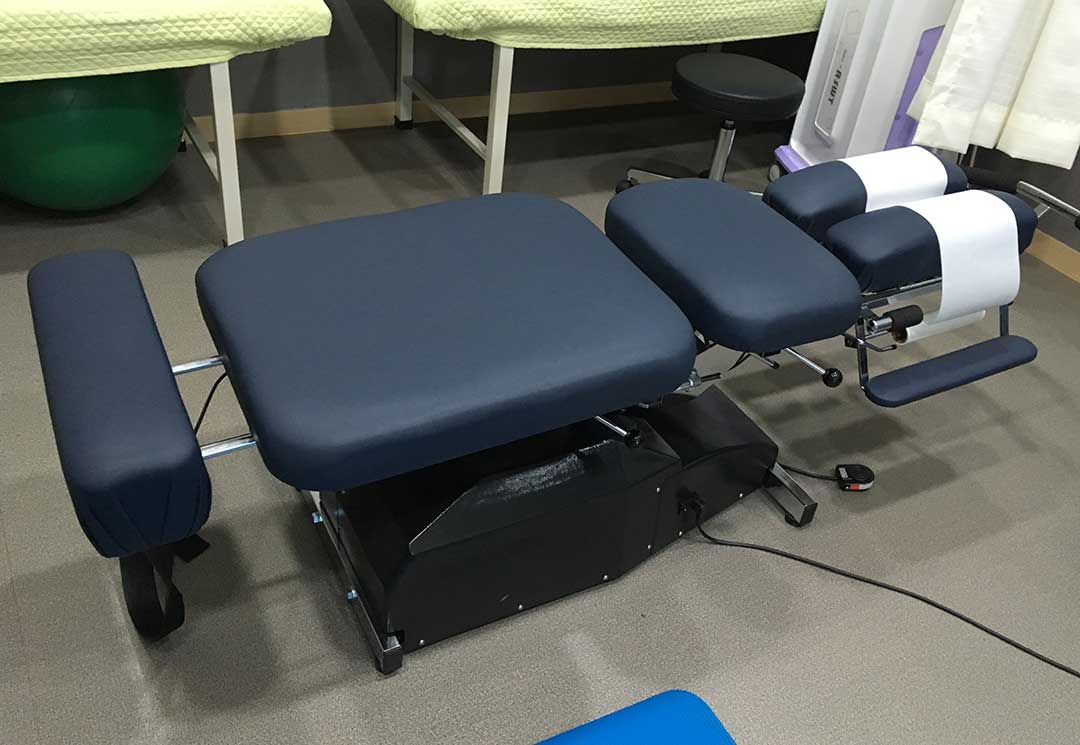
During the second trimester, changes in posture, joint flexibility, and pelvic loading may become more noticeable. Supported positioning and gentle techniques are often more comfortable than forceful manipulation.
During the third trimester, the abdomen is larger and balance may be affected. Lying flat on the back for an extended period can be uncomfortable or cause lightheadedness for some people. Adjustments should be modified or stopped if they produce pain, dizziness, nausea, shortness of breath, contractions, or other concerning symptoms.
There is no universal week of pregnancy at which all adjustments become unsafe. The appropriate approach depends on the person’s symptoms, examination findings, pregnancy history, and medical advice.
What should a pregnant patient ask before an adjustment?
A brief discussion can help prevent avoidable problems. Useful questions include:
- Are pregnancy-specific techniques used?
- How will the body be positioned and supported?
- Will the abdomen be kept free from pressure?
- What symptoms would make treatment inappropriate?
- How will the plan change as pregnancy progresses?
- Will the prenatal care team be consulted if there are medical concerns?
- What alternatives are available if an adjustment is not advisable?
The patient should provide a complete health history, including the expected due date, prior pregnancy complications, current medications, recent falls, surgery, osteoporosis, blood-clotting concerns, and any new neurological symptoms.
Informed consent matters. The patient should understand what will be done, why it is being suggested, what is known and unknown about potential benefits, and which alternatives may be reasonable.
Are all “prenatal” chiropractic services the same?
No. The word “prenatal” does not by itself prove that a treatment is appropriate or well studied. Some services may involve gentle manual therapy, while others may include stretching, exercise advice, soft-tissue work, or more forceful spinal manipulation.
A careful evaluation should distinguish ordinary pregnancy-related back pain from conditions requiring medical treatment. Claims that an adjustment can guarantee an easier delivery, correct fetal position, or replace prenatal care should be treated skeptically.
The safest plan is usually conservative: use the least force necessary, avoid painful maneuvers, reassess symptoms, and stop if the patient feels unwell. Pregnancy care should remain coordinated rather than divided into unrelated treatments.
What side effects can occur?
Temporary soreness, stiffness, or mild discomfort can occur after spinal manipulation. More serious adverse events are considered uncommon, but pregnancy-specific safety research is limited. That uncertainty is one reason treatment should be individualized rather than routine.
A patient should seek medical advice after treatment if there is persistent or worsening pain, vaginal bleeding, fluid leakage, contractions, fainting, severe headache, neurological changes, chest pain, shortness of breath, or any concern about fetal movement.
For many pregnant people, the practical question is not simply whether an adjustment is “safe.” It is whether the proposed technique is necessary, appropriately modified, and consistent with the pregnancy’s medical status. In Lynbrook, NY, as elsewhere, prenatal care remains the foundation; chiropractic care, if considered, should be an optional and carefully coordinated approach to musculoskeletal comfort rather than a substitute for obstetric evaluation.
