
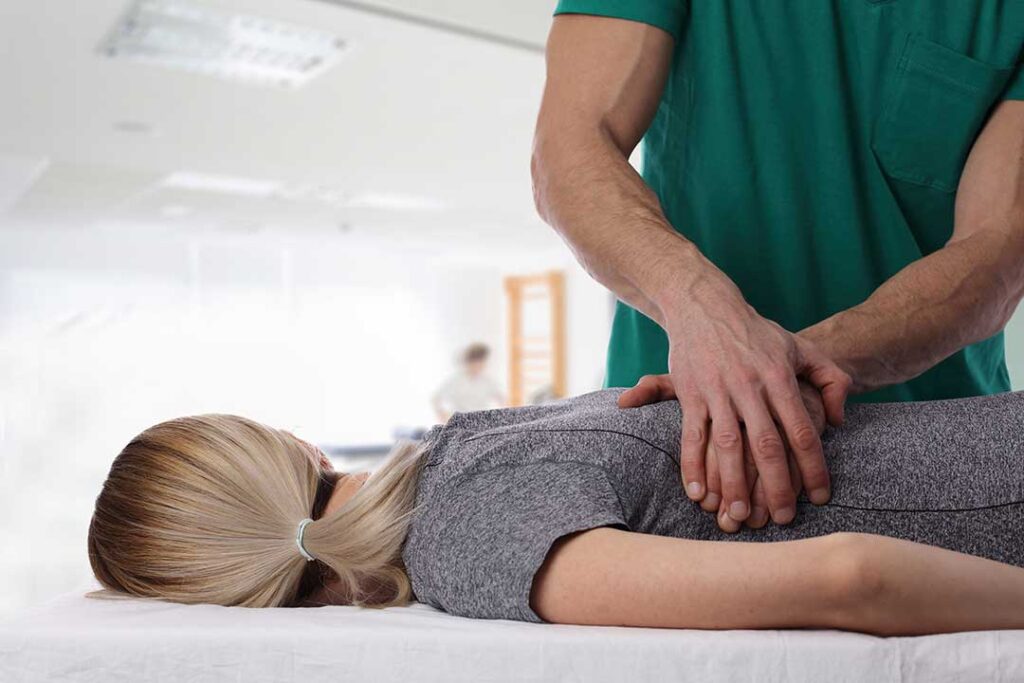
Simple mobility exercises can help people move more comfortably during everyday activities such as getting out of a chair, reaching overhead, turning to look behind them, or walking through the community. They are different from intense workouts: the goal is controlled, comfortable movement through a joint’s available range.
For residents of Lynbrook, NY, a short routine can be useful after long periods of sitting, commuting, working at a desk, doing household tasks, or spending more time indoors during cold or rainy weather. The exercises below are general education, not a treatment plan for a specific injury or medical condition.
What does mobility exercise mean?
Mobility refers to how freely and comfortably a joint can move while a person controls the motion. Flexibility is one part of mobility, but strength, balance, coordination, and body awareness also matter.
A mobility exercise usually involves slow movement rather than holding a position for a long time. For example, gently rotating the upper back or moving the ankles through several directions may prepare the body for walking, stairs, gardening, lifting, or other daily tasks.
Mobility work should feel mild to moderate. A light stretch, mild stiffness, or awareness of movement is generally different from sharp pain, burning, numbness, or a sense that a joint is giving way.
How should someone prepare for a short home routine?
Choose a clear area with enough room to move without bumping into furniture. Wear comfortable clothing and use a sturdy countertop or chair for support when practicing standing exercises.
Start with five minutes of easy movement. Walking around the room, gently swinging the arms, or marching slowly in place can help the body transition from rest to activity. Avoid forcing a joint to move farther simply because it feels stiff at the beginning.
A practical starting routine is five to ten minutes, two or three times per week. Some people may prefer brief movement breaks during the day rather than one longer session. Consistency matters more than intensity.
Which exercises are useful for the neck and upper back?
These movements may be helpful after reading, computer work, driving, or other activities that keep the head and shoulders in one position.
Gentle neck turns
Sit or stand tall with the shoulders relaxed.
- Slowly turn the head toward the left until a comfortable limit is reached.
- Return to the center, then turn toward the right.
- Keep the chin level rather than tipping the head up or down.
- Repeat three to five times per side.
The movement should be smooth. Do not circle the head rapidly or push into pain.
Shoulder rolls
Let the arms rest by the sides.
- Roll both shoulders upward, gently backward, and downward.
- Reverse the direction after several repetitions.
- Complete five to ten slow circles in each direction.
Shoulder rolls can be done while seated, making them convenient during a work or household break.
Seated upper-back rotation
Sit near the front of a stable chair with the feet on the floor.
- Cross the arms over the chest or place the hands lightly on the shoulders.
- Turn the upper body toward the left while keeping the hips facing forward.
- Return to the center and repeat on the right.
- Perform three to six repetitions per side.
Move through the upper back without trying to twist forcefully through the lower back.
What can help the hips and lower back move more comfortably?
Hip and lower-back mobility can support walking, standing, bending, and changing positions. These exercises should be especially controlled because stiffness in one area can lead people to compensate elsewhere.
Pelvic tilts
Lie on the back with the knees bent and feet resting on the floor. If lying down is uncomfortable, perform the same movement while seated.
- Gently tighten the abdominal muscles.
- Flatten the lower back slightly toward the floor.
- Release back to a neutral position.
- Repeat five to ten times without holding the breath.
The movement should be small. It is not necessary to press forcefully into the floor.
Seated hip marches
Sit upright with both feet supported.
- Lift one foot a few inches from the floor.
- Lower it slowly, then lift the opposite foot.
- Alternate for 10 to 20 total repetitions.
This exercise combines hip movement with light control and can be modified by holding the sides of the chair.
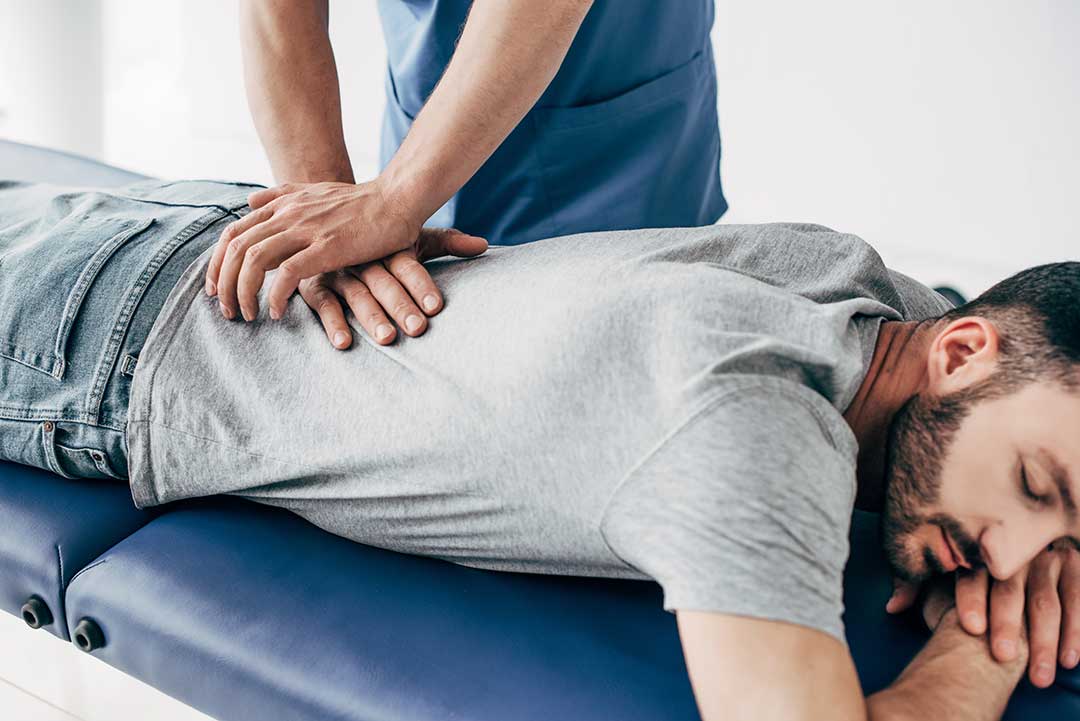
Supported standing hip movement
Stand behind a sturdy chair and hold it lightly.
- Move one leg slowly forward and return it to the starting position.
- Move the same leg gently backward without arching the lower back.
- Repeat five times, then switch sides.
Keep the torso upright. The movement should come from the hip rather than from leaning the whole body.
Which exercises support the ankles and knees?
Ankle movement is often overlooked, even though it contributes to walking, balance, and navigating uneven surfaces. It may be useful after sitting for a long time or before a walk.
Ankle pumps and circles
While seated, extend one leg slightly or keep the foot on the floor.
- Point the toes away, then draw them back toward the shin.
- Repeat 10 times.
- Make five slow circles in each direction.
- Switch feet.
Stay within a comfortable range and avoid rushing the circles.
Sit-to-stand practice
Use a stable chair that does not slide.
- Sit with the feet about hip-width apart.
- Lean the chest slightly forward while keeping the back comfortable.
- Stand up using the legs, then lower slowly back into the chair.
- Begin with three to five repetitions.
Place the chair near a wall or another stable surface if balance is uncertain. The goal is controlled movement, not speed.
How often should mobility exercises be done?
A brief routine can be performed several times per week, with gentle movement breaks added during long periods of sitting. Mobility exercises alone do not replace walking, cardiovascular activity, strength training, or balance practice.
Adults generally benefit from combining different forms of activity across the week. A balanced approach might include regular walking, two days of muscle-strengthening activity, and mobility movements that address areas feeling stiff or restricted.
During winter, indoor routines can help maintain movement when sidewalks, cold temperatures, or early darkness make outdoor activity less appealing. In warmer months, the same exercises can be used before or after walking, yard work, or recreational activities.
When should an exercise be stopped?
Stop a movement if it causes sharp, worsening, or radiating pain; new numbness or tingling; unusual weakness; dizziness; chest discomfort; or shortness of breath that does not settle with rest. A joint that repeatedly locks, gives way, or becomes significantly swollen also deserves medical attention.
People recovering from surgery, a recent injury, a fracture, or a serious health event should not assume that a general routine is appropriate. Pregnancy, balance disorders, osteoporosis, and ongoing nerve symptoms may also require individualized guidance.
Mild stiffness after inactivity can be common, but persistent or worsening symptoms should not be ignored. The safest routine is one that remains controlled, does not provoke concerning symptoms, and gradually supports easier daily movement.
