
Chronic pain can affect movement, sleep, concentration, mood, and the ability to manage ordinary tasks. Self-care does not replace evaluation of the underlying cause, but consistent habits can reduce flare-ups, protect function, and make daily activities more manageable.
What counts as chronic pain?
Chronic pain generally lasts longer than three months or continues beyond the expected healing period. It may follow an injury, arthritis, nerve irritation, surgery, or another health condition, and sometimes the original cause is not obvious. Pain can also be influenced by poor sleep, stress, muscle weakness, fear of movement, and repeated physical strain.
The goal of self-care is not always complete elimination of pain. A more realistic goal may be walking farther, sleeping more consistently, returning to household activities, or reducing the frequency and intensity of flare-ups.
How can movement help without making pain worse?
Gentle, regular movement is usually more helpful than prolonged rest. Physical activity can support strength, mobility, mood, sleep, and day-to-day function, including for people living with arthritis or other chronic conditions.
Start below the level that usually triggers a flare. For example:
- Take a five- to ten-minute walk and increase gradually if symptoms remain stable.
- Change positions regularly instead of sitting or standing for several hours.
- Use comfortable, controlled movements rather than fast stretching or bouncing.
- Break household tasks into smaller portions, such as carrying fewer items or taking rest periods between chores.
- Consider low-impact options such as walking, water exercise, stationary cycling, or carefully selected strengthening exercises.
A temporary increase in mild soreness can occur when activity changes, but sharp, electric, rapidly worsening, or spreading pain is a reason to stop and reassess. Exercise plans should be adapted to the person’s condition, medications, balance, and medical history.
What does pacing mean?
Pacing means dividing activities into manageable amounts so that a productive day does not lead to several days of worsening symptoms. It is different from avoiding activity altogether.
A common pattern is doing too much on a better day, followed by extended rest after a flare. A steadier approach is to choose a tolerable amount of activity and repeat it consistently before increasing it.
For instance, someone who can comfortably stand for 15 minutes might begin with 10 minutes, rest, and repeat later. The amount can be adjusted based on symptoms over the next 24 hours. This approach is particularly useful for cooking, cleaning, shopping, commuting, and outdoor chores.
How should sitting, sleeping, and home tasks be adjusted?
Small changes in the home can reduce repeated strain. In apartment buildings, attached homes, and other dense residential settings, daily tasks may involve stairs, prolonged computer use, compact kitchens, or carrying laundry and groceries. Rearranging frequently used items can make these activities easier.
Helpful adjustments may include:
- Keeping heavier objects between waist and shoulder height.
- Using both hands to carry items close to the body.
- Placing a supportive chair near work areas that require standing.
- Alternating sitting, standing, and walking during computer or phone use.
- Using pillows to support a comfortable sleep position rather than forcing the body into one posture.
- Avoiding long periods of bed rest unless specifically directed for a medical reason.
Cold weather can make some people feel stiffer, while summer heat may increase fatigue or swelling. Dressing in layers, warming up gradually, drinking enough fluids, and changing activity levels during extreme weather can make outdoor movement more tolerable.
Can sleep and stress affect pain?
Yes. Poor sleep and ongoing stress can increase muscle tension, fatigue, irritability, and sensitivity to pain. Chronic pain can also make sleep more difficult, creating a cycle that reinforces symptoms.
A practical evening routine may include:
- Keeping a consistent wake-up time.
- Limiting stimulating activities close to bedtime.
- Using slow breathing, progressive muscle relaxation, or quiet stretching.
- Reducing caffeine later in the day if it interferes with sleep.
- Writing down worries or next-day tasks before getting into bed.
- Keeping the bedroom comfortable, dark, and free from unnecessary interruptions.
Stress management does not mean pain is imaginary. The nervous system, muscles, emotions, and sleep patterns interact, and reducing stress may help the body respond more calmly to physical signals.
Should heat, ice, or over-the-counter medicine be used?
Heat may ease muscle tightness and stiffness, while cold may temporarily reduce discomfort after activity or during some inflammatory flare-ups. Use a barrier between the skin and the heat or cold source, limit exposure, and avoid sleeping with heating devices in place.
Over-the-counter pain relievers are not appropriate for everyone. Acetaminophen can be dangerous in excessive amounts or when combined with other products containing acetaminophen. Nonsteroidal anti-inflammatory drugs, such as ibuprofen or naproxen, may cause stomach, kidney, blood pressure, or bleeding problems in some people. Medication labels should be followed, and a pharmacist or medical clinician can help check for interactions and risks.
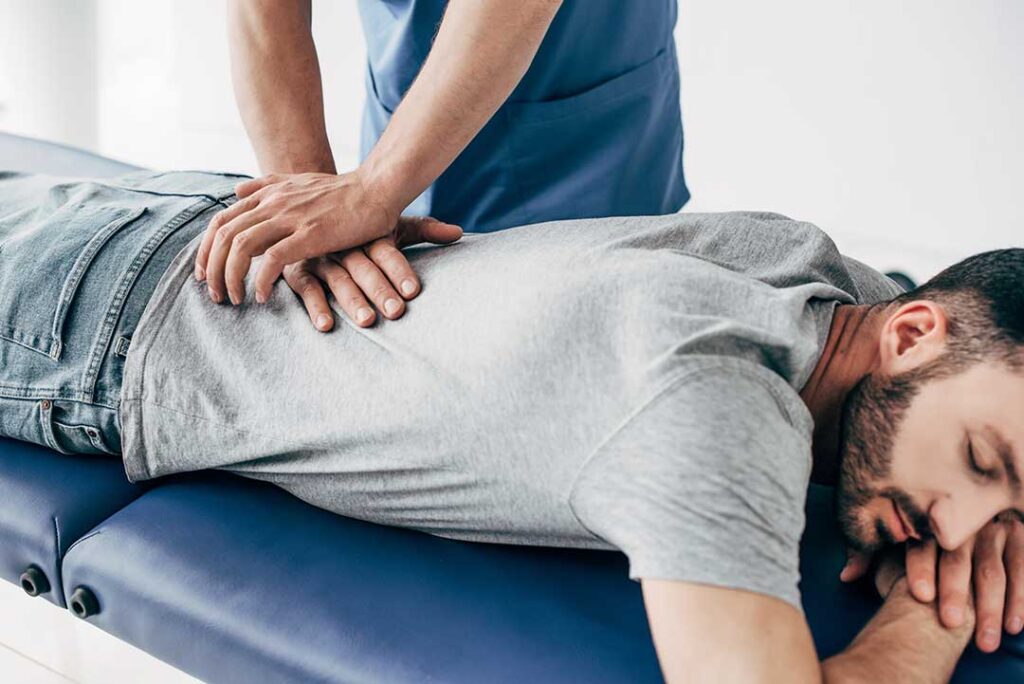
Chiropractic care, physical therapy, exercise instruction, and other non-drug approaches may be appropriate for certain musculoskeletal conditions, but the right option depends on the diagnosis. Self-care should support—not replace—a careful evaluation when pain is persistent or changing.
Does tracking symptoms help?
A simple pain and activity record can reveal patterns that are easy to miss. Record:
- Where the pain occurs and how it feels.
- What activity came before a flare.
- Sleep quality and duration.
- Stress level, illness, or unusual exertion.
- What reduced or increased symptoms.
- Whether numbness, weakness, swelling, fever, or balance changes occurred.
The purpose is not to monitor every sensation. A brief record can help identify whether symptoms are linked to prolonged sitting, lifting, poor sleep, repetitive work, weather-related changes, or sudden increases in activity.
When should chronic pain be evaluated promptly?
New or worsening symptoms should not automatically be treated as an ordinary flare. Prompt medical evaluation is warranted for severe pain after a fall or injury, new weakness, significant numbness or tingling, fever, unexplained weight loss, rapidly worsening symptoms, or difficulty controlling urination or bowel movements.
Pain that repeatedly limits sleep, work, walking, or basic household tasks also deserves assessment. A diagnosis can help determine whether stretching, strengthening, manual care, medication, imaging, or another treatment is appropriate. A balanced plan focuses on improving function while addressing safety and the cause of the symptoms.
