
Premenstrual syndrome can involve much more than cramps. In the days before a period, some people experience lower-back pain, headaches, muscle tension, fatigue, bloating, breast tenderness, irritability, anxiety, or sleep changes. Because several of these symptoms overlap with musculoskeletal problems, it is reasonable to ask whether chiropractic adjustments can help.
The short answer is that an adjustment may help some people with related back, hip, or muscle discomfort, but there is not strong evidence that spinal manipulation treats the hormonal or emotional causes of PMS itself. Chiropractic care should be viewed, at most, as a possible supportive option rather than a replacement for medical evaluation or established PMS treatment.
What is PMS, and how is it different from period pain?
PMS describes a recurring group of physical and emotional symptoms that appear before menstruation and improve shortly after bleeding begins. Symptoms may include:
- Bloating or temporary weight changes
- Breast tenderness
- Headaches
- Fatigue
- Food cravings or appetite changes
- Irritability, anxiety, sadness, or mood swings
- Trouble concentrating
- Sleep changes
- Abdominal, pelvic, lower-back, or generalized body aches
Period pain, also called dysmenorrhea, is more specifically cramping or pain associated with menstruation. The two conditions can occur together, but they are not identical. PMS usually begins before the period, while menstrual cramps commonly become more noticeable shortly before or during bleeding.
Tracking symptoms for at least two or three menstrual cycles can help show whether a predictable pattern exists. A daily record of symptoms, dates, severity, sleep, medications, and activity may be useful when discussing concerns with a health care provider.
Can an adjustment reduce PMS symptoms?
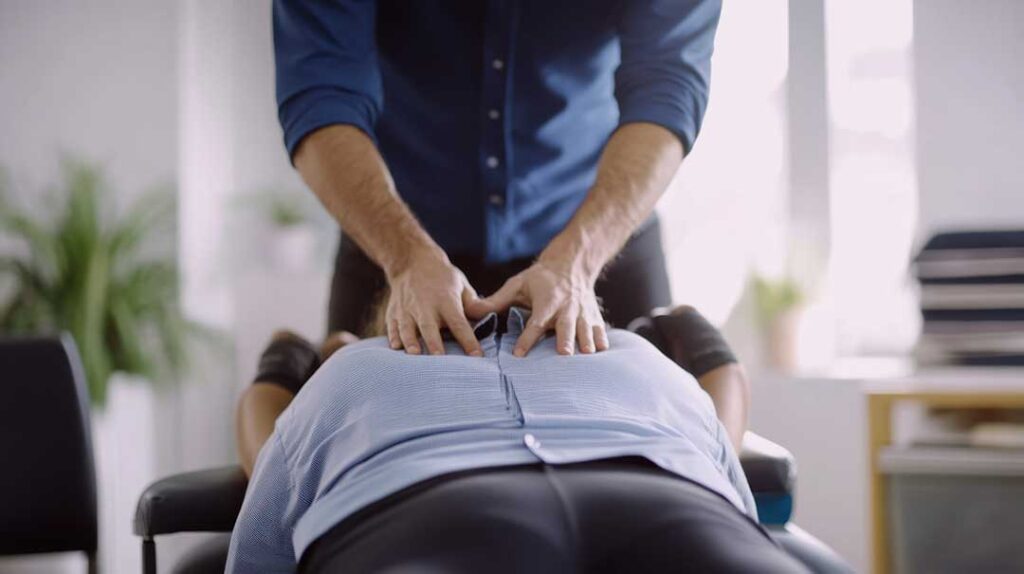
An adjustment may reduce muscle or joint discomfort that happens to worsen before a period, particularly lower-back stiffness, pelvic-area muscle tension, or discomfort related to posture and activity. That is different from proving that an adjustment changes hormone levels, ovulation, uterine contractions, fluid retention, or mood symptoms.
Research on spinal manipulation for menstrual pain has been limited and inconsistent. Some reviews have reported short-term pain improvement with manual therapy, while other higher-quality reviews have found no clear benefit over comparison treatments. The available research is also focused more on dysmenorrhea than on the broader collection of PMS symptoms.
For that reason, claims that adjustments can “balance hormones,” correct the menstrual cycle, or treat PMS at its source go beyond what current evidence supports.
Which symptoms might be more likely to respond?
Chiropractic treatment is more biologically plausible for symptoms involving the muscles and joints than for symptoms primarily related to hormonal changes.
A person might notice improvement in:
- Lower-back tightness
- Hip or buttock discomfort
- Muscular tension from guarding against abdominal cramps
- Stiffness after prolonged sitting
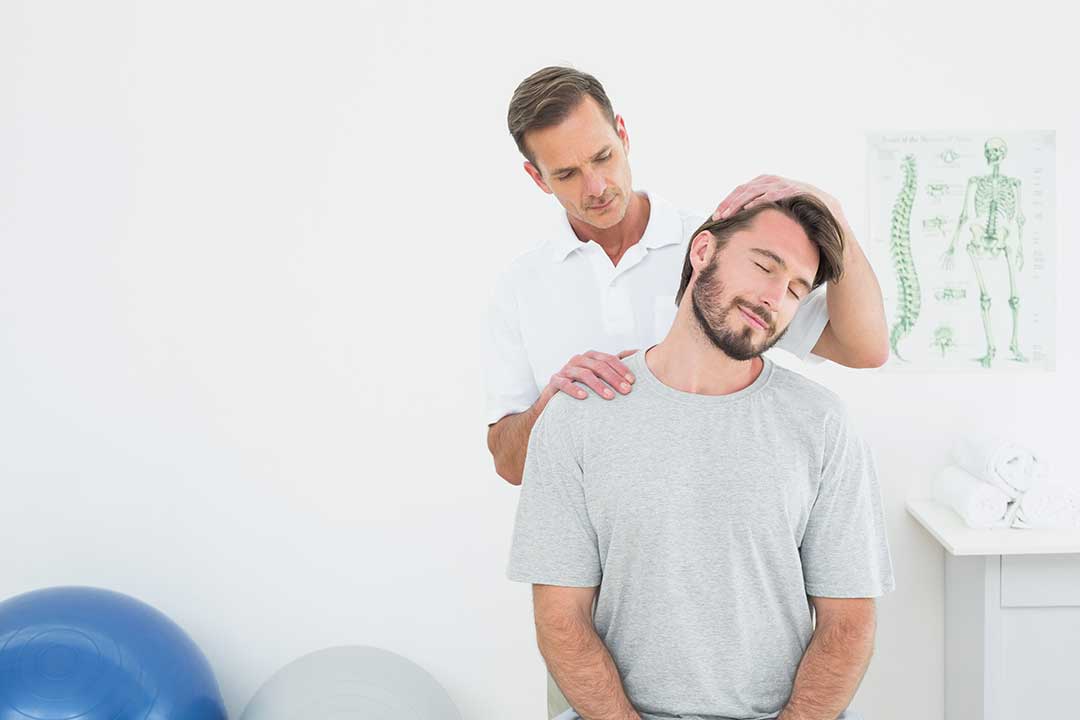
- Headaches that are partly related to neck or upper-back tension
Any improvement may come from several parts of care, including gentle movement, soft-tissue work, exercise guidance, changes in activity, or the natural fluctuation of symptoms from one cycle to another. It does not necessarily show that the adjustment treated PMS itself.
Bloating, breast tenderness, food cravings, marked mood changes, and significant fatigue are less likely to be directly changed by a spinal adjustment. Those symptoms deserve attention through sleep, nutrition, stress management, medication when appropriate, and evaluation for other health conditions.
What approaches have stronger support for everyday PMS management?
For mild to moderate symptoms, consistent habits may be helpful. Regular aerobic activity, such as walking, cycling, swimming, or another comfortable form of exercise, may reduce fatigue and mood symptoms. Gentle movement can also help prevent the stiffness that sometimes accompanies abdominal or back discomfort.
Other practical measures include:
- Maintaining a regular sleep schedule
- Eating balanced meals with complex carbohydrates and calcium-rich foods
- Limiting excess salt, alcohol, caffeine, and highly processed foods if they worsen symptoms
- Using heat for abdominal or lower-back discomfort
- Practicing relaxation exercises, yoga, breathing exercises, or meditation
- Taking an appropriate over-the-counter pain reliever when medically safe
Medication choices are not the same for everyone. Anti-inflammatory medicines may help cramps and pain, while hormonal treatments or certain antidepressants may be considered for particular PMS patterns. A clinician should review medical history, pregnancy possibility, allergies, stomach or kidney problems, and other medications before someone begins or changes treatment.
Supplements also require care. Calcium or magnesium may help some symptoms, but excessive amounts can cause problems or interact with medications.
Is chiropractic care safe during PMS?
Menstruation itself does not automatically make spinal manipulation unsafe. However, safety depends on the individual’s health history, the technique used, and whether the pain has an underlying cause that has not been identified.
Temporary soreness, stiffness, or headache can occur after manipulation. Serious complications are uncommon, but not every person is an appropriate candidate for every technique. A careful health history should include pregnancy, osteoporosis, recent injury, bleeding disorders, cancer, infection, nerve symptoms, and medications that affect bleeding or bone health.
People in the Lynbrook community may also spend long periods commuting, working at a desk, caring for children, or sitting in compact home workspaces. Those factors can contribute to back and neck tension that becomes more noticeable around the menstrual cycle. Addressing ergonomics, movement breaks, and strengthening may be as relevant as hands-on treatment.
When should PMS or pelvic pain be medically evaluated?
Pain that is severe, progressively worsening, or disruptive to school, work, sleep, or family responsibilities should not be assumed to be routine PMS. Medical evaluation is especially important when symptoms include:
- Very heavy or irregular bleeding
- Pain between periods or throughout the month
- Pain during sex
- Pain with bowel movements or urination during periods
- Fainting, fever, vomiting, or unusual vaginal discharge
- New symptoms after years of relatively comfortable periods
- Depression, panic, hopelessness, or thoughts of self-harm
Conditions such as endometriosis, fibroids, adenomyosis, ovarian cysts, thyroid disorders, irritable bowel syndrome, anxiety, and depression can resemble or overlap with PMS. An adjustment cannot diagnose or rule out these conditions.
A particularly severe form of premenstrual mood symptoms, known as premenstrual dysphoric disorder, may require specific mental health or hormonal treatment. Severe mood changes should be discussed promptly rather than managed only with physical treatments.
How should someone think about chiropractic care for PMS?
Chiropractic adjustments may be reasonable as a complementary approach for associated back, hip, neck, or muscle discomfort, especially when treatment is gentle and coordinated with appropriate medical care. The evidence does not support using adjustments as a primary treatment for PMS, hormone imbalance, heavy bleeding, or unexplained pelvic pain.
A practical approach is to identify the exact symptom being treated, track whether it follows a consistent cycle, use proven self-care measures, and seek medical assessment when symptoms are severe or unusual. This keeps expectations realistic while allowing musculoskeletal care to play a limited, supportive role when it is appropriate.
