
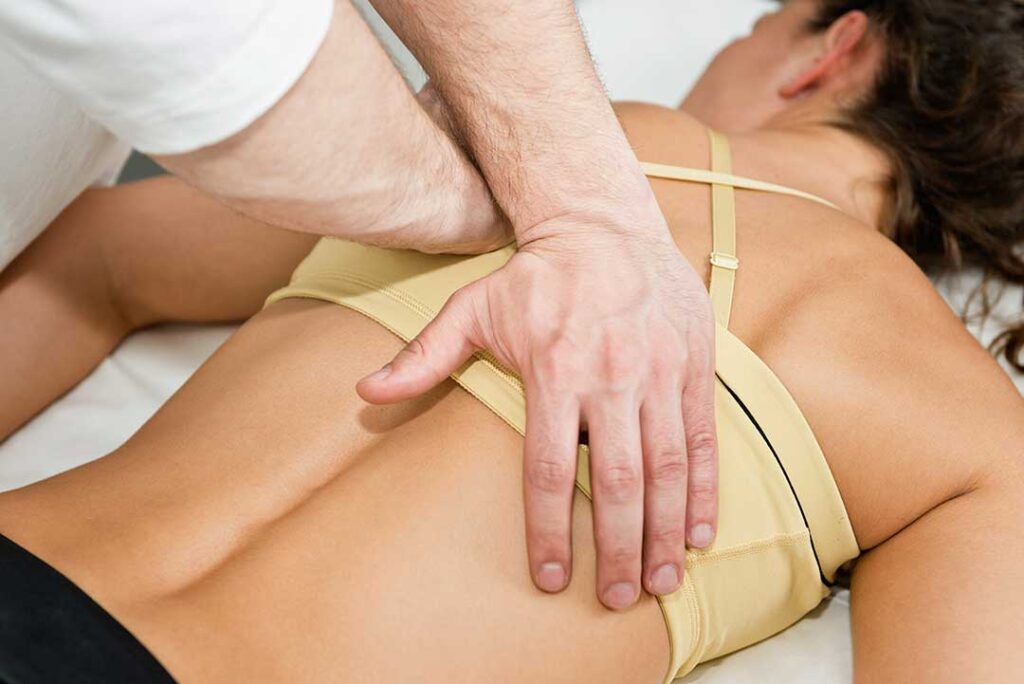
What is the Graston Technique?
The Graston Technique is a form of instrument-assisted soft tissue mobilization, often abbreviated as IASTM. It uses smooth, specially shaped tools to apply controlled pressure and gliding strokes to muscles, tendons, ligaments, and other soft tissues.
In chiropractic care, it may be used alongside movement assessment, exercise, stretching, joint mobilization, or other conservative measures. It is not the same as spinal adjustment, massage, or surgery, although it may be included in a broader musculoskeletal treatment plan.
The technique is commonly discussed for problems such as:
- Muscle tightness or soreness
- Tendon-related discomfort
- Limited range of motion
- Repetitive-use irritation
- Lingering stiffness after an injury
- Scar-related restrictions after healing
The goal is generally to influence how a person moves and feels, rather than to “scrape away” tissue or physically break up scar tissue.
How does the technique work?
A practitioner applies a tool to the skin over a selected area and moves it in specific directions. The pressure may be light or moderate, depending on the body region, symptoms, skin sensitivity, and the person’s medical history.
The tool can help the practitioner identify areas that feel different from surrounding tissue, such as regions of increased sensitivity or stiffness. Treatment may then be directed toward improving comfort and mobility in that area.
The exact biological explanation remains uncertain. Some theories involve changes in pain sensitivity, short-term increases in local circulation, altered muscle tone, and improved tolerance for movement. Claims that the technique directly breaks apart adhesions or scar tissue should be treated cautiously because the evidence does not clearly establish that mechanical effect in living human tissue.
For residents in Lynbrook, seasonal activity patterns may affect why this approach is considered. Shoveling, yard work, commuting, recreational exercise, and returning to outdoor activity after colder months can all place repeated demands on the shoulders, back, hips, calves, or forearms.
What does a treatment session feel like?
A session may begin with questions about symptoms, recent injuries, medications, activity levels, and the movements that are limited or uncomfortable. The area may be examined before treatment so that changes can be compared afterward.
A small amount of lotion or treatment medium is often used to allow the instrument to glide across the skin. The practitioner then applies strokes over the selected region. Sensations can include pressure, warmth, mild tenderness, or a scraping feeling.
Treatment should not require intolerable pain. Temporary redness is common, and some people develop small bruises or pinpoint discoloration. These marks are not proof that harmful tissue has been removed, nor do they necessarily indicate that treatment was more effective.
Mild soreness may occur for a day or two. Increasing pain, pronounced swelling, blistering, numbness, or skin changes that do not improve should be reported promptly to the treating clinician.
Is Graston Technique supported by research?
Research on IASTM, including methods associated with Graston, has produced mixed findings. Some studies report short-term improvements in pain, flexibility, or self-reported function. Other reviews have found that the evidence is inconsistent, limited by small studies, different treatment protocols, and difficulty separating the instrument’s effect from exercise, education, rest, or hands-on care.
The most balanced interpretation is that instrument-assisted treatment may help some people as one part of a broader rehabilitation plan, but it should not be presented as a guaranteed treatment or a replacement for exercise-based recovery.
Progress is better judged by practical outcomes, such as:
- Walking, lifting, reaching, or climbing stairs more comfortably
- Improved joint motion
- Greater tolerance for work or household activity
- Reduced sensitivity over time
- Improved strength and control
If a person feels temporary relief but cannot gradually resume useful movement, the overall plan may need to be reconsidered.
Who may not be a good candidate?
Instrument-assisted treatment is not appropriate for every condition. Extra caution or avoidance may be needed with:
- Open wounds, active skin infections, rashes, or fragile skin
- Recent fractures, dislocations, or severe acute injuries
- Significant swelling or unexplained bruising
- Known bleeding disorders
- Blood-thinning medication, depending on the situation
- Suspected blood clots or vascular problems
- Uncontrolled inflammatory or systemic illness
- Areas with reduced sensation
- Active cancer in the treatment region unless specifically cleared
- Pregnancy-related concerns involving certain areas or symptoms
A person should also mention a history of easy bruising, osteoporosis, diabetes, vascular disease, immune problems, or recent surgery. The appropriate decision depends on the diagnosis and the individual’s risk factors, not simply on whether a technique is popular.
New or severe pain, weakness, loss of coordination, bowel or bladder changes, fever, unexplained weight loss, or pain following major trauma requires medical evaluation rather than routine soft tissue treatment.
Can it treat back or neck pain?
It may be used around muscles that contribute to back or neck discomfort, but it does not correct every cause of spinal pain. Neck and back symptoms can arise from muscle strain, joint irritation, nerve involvement, disc problems, arthritis, infection, or other medical conditions.
For that reason, instrument-assisted work should follow an appropriate examination. It should not be used to delay evaluation of symptoms such as progressive arm or leg weakness, widespread numbness, severe headache with neck stiffness, dizziness associated with neck symptoms, or pain after a significant fall or collision.
Exercise, gradual activity, sleep habits, workstation setup, and lifting technique often play a larger role in long-term recovery than any single hands-on method.
How can someone judge whether it is helping?
Useful questions include:
1. Is movement easier after treatment or over the following days?
2. Is function improving from week to week?
3. Are bruising and soreness mild and short-lived?
4. Is the treatment combined with an active plan rather than used alone?
5. Is there a clear explanation for why the area is being treated?
6. Are symptoms being reassessed if progress stalls?
A reasonable care plan should connect treatment to specific goals. For example, the goal might be tolerating household lifting, returning to walking, or restoring shoulder motion—not simply receiving repeated instrument strokes.
The technique is best viewed as an optional manual therapy tool. It may provide short-term symptom relief for selected musculoskeletal problems, but careful assessment, appropriate exercise, and attention to warning signs remain central to safe chiropractic care in the local community.
