
What does healthy aging actually involve?
Healthy aging is not simply the absence of illness. It also includes maintaining strength, balance, flexibility, coordination, confidence, and the ability to perform everyday activities independently.
For many older adults, independence depends on practical movements such as:
- Walking safely on uneven sidewalks
- Rising from a chair
- Turning, reaching, and bending
- Carrying groceries or household items
- Climbing stairs
- Getting in and out of a car
- Remaining active during seasonal changes
Chiropractic care may support some aspects of healthy aging by addressing joint movement, muscle tension, spinal function, and movement habits. It should be viewed as one part of a broader plan that may also include medical care, strength training, balance exercises, sleep, nutrition, and fall prevention.
How can chiropractic care support mobility?
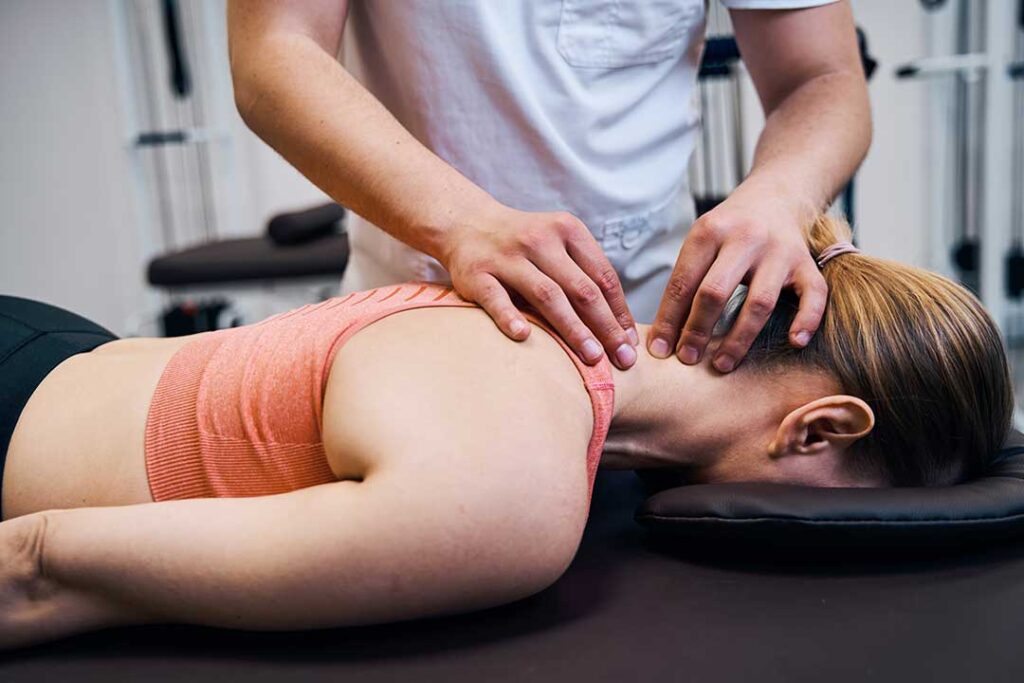
Chiropractic care commonly focuses on the relationship between the spine, joints, muscles, and nervous system. Gentle manual techniques may be used to improve restricted movement or reduce discomfort in areas such as the back, neck, hips, or shoulders.
Improved comfort and joint motion can make it easier to remain physically active. That matters because regular movement helps preserve muscle strength and functional ability with age. A person who can walk, stretch, and perform daily tasks with less discomfort may be more likely to continue those activities.
The goal should not be to make an older body move like a younger one. A more realistic goal is to support safe, useful movement that matches the individual’s health, age, strength, and medical history.
Can it help with balance and fall prevention?
Chiropractic care alone should not be considered a complete fall-prevention program. Falls can result from many factors, including weak leg muscles, poor vision, medication effects, inner-ear problems, unsafe flooring, low blood pressure, and reduced reaction time.
However, movement assessment may help identify limitations that affect walking or changing position. Restricted ankle, hip, or spinal movement can influence posture and gait. Addressing discomfort or stiffness may make it easier to participate in exercises designed specifically for balance and strength.
Effective fall prevention usually includes several measures:
- Leg and core strengthening
- Balance exercises performed safely
- Regular walking or other suitable aerobic activity
- Adequate lighting at home
- Secure rugs and clear walking paths
- Handrails on stairs
- Properly fitting shoes
- Review of medications and vision when appropriate
In Lynbrook, seasonal rain, snow, ice, and wet leaves can create temporary hazards on sidewalks, driveways, steps, and outdoor walkways. Older residents may benefit from taking extra care during these conditions, using handrails, slowing down, and avoiding unnecessary walking on slippery surfaces.
What types of discomfort may be addressed?
People often seek conservative musculoskeletal care for back discomfort, neck stiffness, joint pain, muscle tightness, or reduced range of motion. These problems may result from arthritis, previous injuries, prolonged sitting, repetitive household tasks, or changes in strength and posture.
Chiropractic care may be considered for some uncomplicated mechanical problems, particularly when the main symptoms are related to movement or position. Treatment may involve manual techniques, mobility exercises, posture guidance, or recommendations for gradually increasing activity.
Results vary. Chiropractic care is not a cure for osteoporosis, inflammatory arthritis, nerve disorders, fractures, cancer, or serious internal disease. It also cannot reverse all age-related changes. A careful evaluation is needed before deciding whether hands-on treatment is appropriate.
Are chiropractic adjustments safe for older adults?
Many older adults can receive modified chiropractic care, but age-related changes require additional caution. Bones may be more fragile, joints may be less tolerant of force, and some people take blood-thinning medication or have conditions that affect healing and balance.
Care should be adapted to the person rather than delivered through a standard approach. Possible considerations include:
- Osteoporosis or a history of compression fractures
- Recent surgery or joint replacement
- Anticoagulant or blood-thinning medication
- Significant arthritis or spinal narrowing
- History of stroke or vascular disease
- Numbness, weakness, or changes in coordination
- Recent falls
- Cancer, infection, or unexplained weight loss
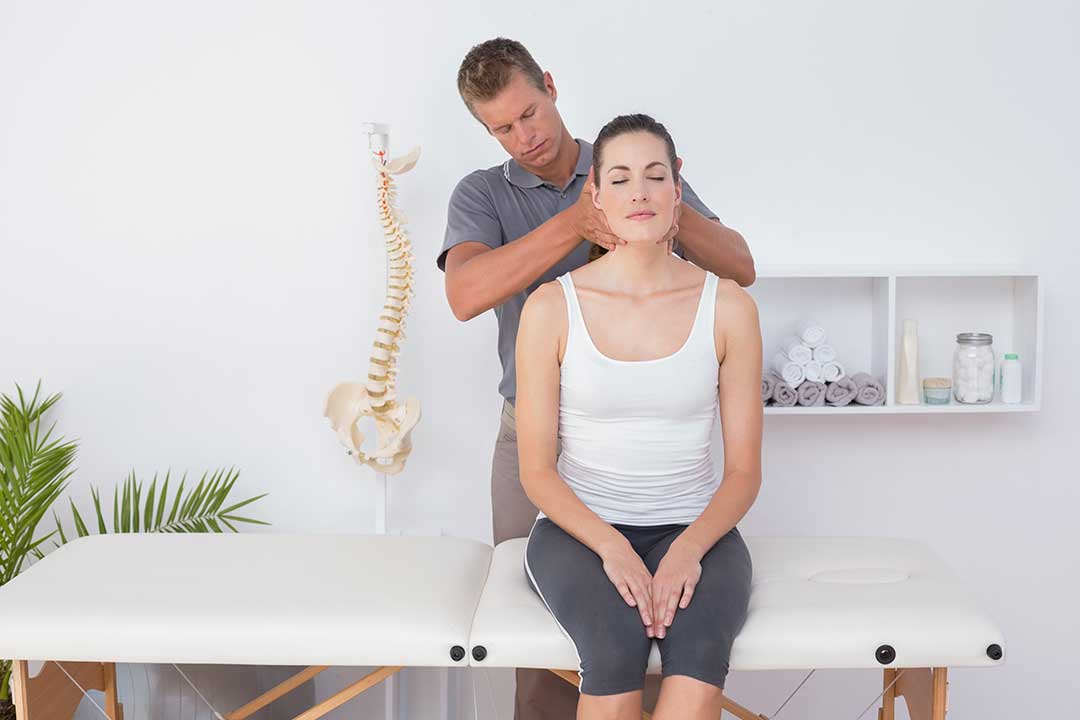
Gentler techniques, positioning changes, exercise-based care, or referral for medical assessment may be more suitable than forceful manipulation in some situations. Any new or worsening symptom should be discussed with an appropriate healthcare professional before treatment continues.
What symptoms should not be managed as routine stiffness?
Certain symptoms require prompt medical evaluation rather than routine musculoskeletal care. These include sudden severe headache, new weakness on one side of the body, facial drooping, difficulty speaking, loss of bladder or bowel control, unexplained fever, severe abdominal or chest pain, major trauma, or inability to bear weight.
A fall that causes head impact, severe neck pain, confusion, or worsening symptoms also deserves medical attention. Numbness or weakness that is new, progressive, or associated with walking difficulty should not be dismissed as normal aging.
Healthy aging depends on recognizing the difference between ordinary stiffness and warning signs of a more serious problem.
How does chiropractic care fit with exercise?
Exercise is central to maintaining function as people age. Older adults generally benefit from a combination of aerobic activity, muscle strengthening, flexibility work, and balance training. Chiropractic care may help some people move more comfortably, but exercise is what builds the strength and coordination needed for daily life.
A practical weekly routine might include:
- Walking at a comfortable pace
- Sit-to-stand practice from a stable chair
- Light resistance exercises for the legs and upper body
- Gentle mobility work for the hips, shoulders, and spine
- Balance practice near a counter or sturdy support
The level of challenge should be increased gradually. Pain that is sharp, escalating, or associated with weakness is a reason to stop and seek guidance. People with heart, lung, neurological, or significant orthopedic conditions may need an individualized exercise plan.
What should residents consider before beginning care?
A useful conversation should cover current symptoms, past injuries, surgeries, medications, bone health, recent falls, and personal goals. The focus should be on function: walking farther, turning more comfortably, standing from a chair, sleeping better, or completing household activities with less difficulty.
It is also reasonable to ask what type of technique is being proposed, what risks may apply, how progress will be measured, and when medical evaluation would be more appropriate.
For many area households, healthy aging is less about pursuing perfect posture or eliminating every ache and more about preserving the ability to move safely and participate in daily life. Chiropractic care may have a supporting role when used cautiously, with realistic expectations and coordination with the person’s broader healthcare and exercise needs.
