

Travel can aggravate the lower back even when a person feels fine before leaving home. Long periods of sitting, lifting luggage, awkward sleeping arrangements, crowded transportation, and sudden changes in routine can all increase strain.
For residents of Lynbrook, NY, travel may involve driving, rail trips, air travel, or extended time as a passenger. The same basic principles apply: change positions regularly, lift carefully, support the lower back, and respond early to warning signs.
Why does travel cause lower back pain?
Travel-related back pain usually develops from prolonged static posture rather than from sitting alone. The spine and surrounding muscles can become uncomfortable when the body stays in one position for hours.
Common contributing factors include:
- Sitting with the pelvis tucked backward and the lower back rounded
- Limited legroom that keeps the hips and knees bent for long periods
- Reaching, twisting, or lifting luggage away from the body
- Carrying a heavy bag on one side
- Sleeping in unfamiliar beds or seats
- Reduced movement, dehydration, stress, and poor sleep
A person may also feel stiff after leaving a vehicle or transportation seat because the hips, hamstrings, and lower-back muscles have been inactive for an extended period. This does not necessarily indicate serious injury, but recurring or severe symptoms deserve careful attention.
How should someone prepare before a trip?
The most useful preparation is to avoid starting a trip already fatigued, stiff, or overloaded. A few days before traveling, maintain normal walking and movement rather than trying to compensate with an unusually intense workout.
Helpful preparation includes:
- Packing lighter bags whenever possible
- Dividing belongings between smaller pieces of luggage
- Placing frequently used items where they can be reached without deep bending
- Wearing supportive, comfortable footwear
- Planning movement breaks for longer journeys
- Bringing any prescribed medication according to medical instructions
- Allowing enough time to move through stations, terminals, or parking areas without rushing
A short walk and gentle mobility routine before departure can help the body transition from resting to lifting and sitting. Useful movements may include easy walking, shoulder rolls, gentle hip motion, and controlled pelvic tilts. Stretching should feel mild rather than forceful.
What is the best sitting position during a long trip?
The most comfortable travel posture is usually supported, neutral, and changeable. No single position prevents discomfort if it is held for too long.
While seated:
- Keep both feet supported when possible.
- Place the hips level with or slightly higher than the knees.
- Use the seatback rather than leaning forward continuously.
- Keep the lower back gently supported with a small rolled towel or similar cushion if needed.
- Avoid twisting the upper body to reach bags, screens, or conversations.
- Keep the shoulders relaxed and the head balanced over the torso.
In a car, adjust the seat so the pedals can be reached without stretching the legs and the back remains supported. The steering wheel should be close enough to avoid leaning forward, but not so close that the arms and shoulders feel crowded.
On a train, bus, or plane, a small cushion may help fill the gap behind the lower back. The support should not push the spine into an exaggerated arch. A folded layer of clothing can work when specialized equipment is unavailable.
How often should travelers move?
For longer trips, aim to change position at least every 30 to 60 minutes when practical. Even brief movement can reduce stiffness.
During a road trip, stop periodically to walk for a few minutes. Travel companions can share driving responsibilities when possible. During rail or air travel, stand, walk carefully through the aisle when permitted, or perform seated movements such as ankle pumps and gentle knee extensions.
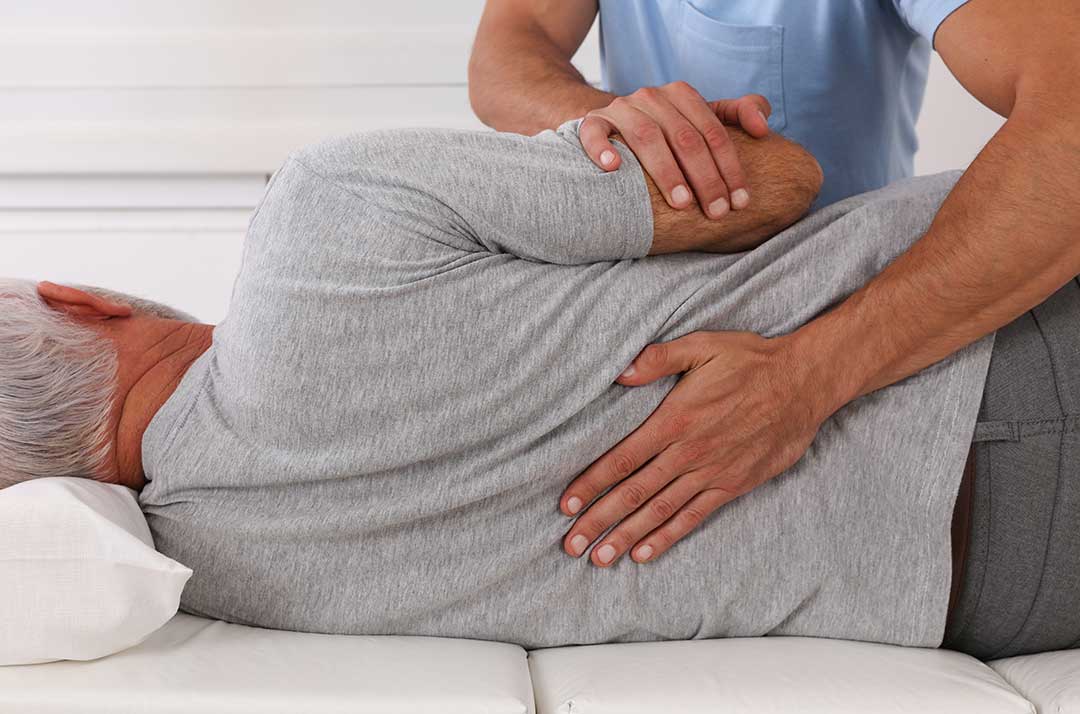
Movement breaks do not need to be strenuous. The goal is to restore circulation, vary joint positions, and prevent the back from remaining fixed in one posture.
For residents traveling during colder months, outdoor breaks may feel less appealing. Warm layers can make short walking breaks more manageable. Slippery surfaces, uneven pavement, and wet conditions also call for slower steps and extra attention when getting in or out of vehicles.
What is the safest way to lift and carry luggage?
Luggage handling is a frequent source of sudden back strain. The safest approach is to reduce the load, keep it close, and avoid twisting while lifting.
Before lifting a suitcase:
1. Stand close to it.
2. Face the direction of the lift.
3. Bend through the hips and knees rather than rounding only through the waist.
4. Hold the bag near the body.
5. Rise smoothly without jerking.
6. Turn with the feet instead of twisting the trunk.
Avoid lifting a heavy bag from the floor directly into an overhead compartment if assistance is needed. It is safer to place the bag on a supported surface first or ask another traveler for help when the load is beyond comfortable control.
Shoulder bags can also create problems when carried for long periods. Switching sides, using both straps on a backpack, and keeping the load modest may reduce uneven stress.
Can exercise prevent back pain during travel?
Regular movement before and during travel can lower the likelihood of stiffness, but exercise should be appropriate for the person’s current condition. A complicated routine is not necessary.
A simple travel preparation routine might include:
- Five to ten minutes of walking
- Gentle hip flexor and hamstring mobility
- Bodyweight sit-to-stand movements
- Controlled abdominal bracing while breathing normally
- Light strengthening of the hips and legs
Avoid testing a new high-intensity workout immediately before departure. Delayed muscle soreness can make sitting, lifting, and walking more uncomfortable. Anyone with a history of significant back problems should follow a familiar exercise plan rather than experimenting during a busy travel day.
What should a traveler do if pain begins?
Early discomfort is a signal to change the situation, not something to ignore for hours. Adjust the seat, walk briefly, unload a bag, or use gentle movement before symptoms become more intense.
Heat may feel soothing for muscle tightness, while some recent injuries may respond better to brief cold application. Neither should be placed directly on the skin for prolonged periods. Over-the-counter pain medication may not be appropriate for everyone, especially people with certain medical conditions or medication interactions, so label directions and personal medical guidance should be followed.
Avoid aggressive stretching, forceful twisting, or repeated bending if these actions increase pain. Symptoms that travel down the leg, produce numbness or weakness, or worsen with each movement require more caution than ordinary stiffness.
When is back pain during travel a warning sign?
Seek prompt medical evaluation for new or severe back pain accompanied by leg weakness, loss of bladder or bowel control, numbness around the inner thighs or groin, fever, unexplained weight loss, or pain after a significant fall or collision.
Medical attention is also appropriate when pain is severe, continues to worsen, repeatedly interrupts sleep, or does not begin improving after travel and normal activity are resumed. People with osteoporosis, a history of cancer, recent infection, or major trauma should use a lower threshold for evaluation.
Most travel-related discomfort improves with movement, rest, and better positioning. Planning ahead, handling luggage carefully, and avoiding long uninterrupted periods of sitting can make journeys more comfortable without requiring an elaborate travel routine.
