

For many people in Lynbrook, NY, surgery is not the first or only option for back, neck, or joint-related pain. Depending on the cause, symptoms may improve through a combination of movement-based care, physical therapy, medication, lifestyle changes, and carefully selected manual treatments.
Surgery can be appropriate in certain situations, but it is usually considered after the underlying problem has been evaluated and less invasive approaches have been tried—unless there is a serious neurological or structural concern requiring prompt treatment.
Can chiropractic care help someone avoid surgery?
Sometimes, but it depends on the diagnosis. Chiropractic care may help reduce pain and improve movement in some people with uncomplicated low-back pain, mechanical neck pain, joint stiffness, or certain muscle and joint problems. The strongest evidence generally supports spinal manipulation as one possible conservative treatment for low-back pain, with benefits that are usually modest rather than guaranteed.
Chiropractic care is not a substitute for surgery when there is severe nerve compression, spinal instability, a fracture, infection, tumor, or progressive neurological loss. A responsible care plan should begin with a health history and physical examination, and may require medical imaging or referral when symptoms do not fit a routine musculoskeletal pattern.
Treatment may include:
- Gentle spinal mobilization rather than forceful manipulation
- Soft-tissue techniques
- Mobility exercises
- Strengthening for the abdomen, hips, back, or shoulder region
- Posture and movement education
- A home program designed around daily activities
The goal should be improved function—such as walking, sleeping, lifting, or working—not simply repeated treatment without a clear reason or measurable progress.
What non-surgical alternatives are commonly considered?
A non-surgical plan often works best when several approaches are combined. The appropriate mix depends on whether pain comes from muscles, joints, discs, nerves, arthritis, an injury, or another condition.
Exercise and physical therapy
Exercise is one of the most consistently useful conservative treatments for many types of back pain. A physical therapist may teach exercises that improve strength, flexibility, balance, coordination, and tolerance for everyday activity.
Examples can include:
- Trunk and hip strengthening
- Gradual walking programs
- Range-of-motion exercises
- Postural and movement retraining
- Balance work for older adults
- Work-related lifting and reaching strategies
Bed rest is rarely a complete solution for routine back pain. Short periods of relative rest may be reasonable during a painful flare, but prolonged inactivity can lead to stiffness, weakness, and greater fear of movement.
Manual therapy and spinal mobilization
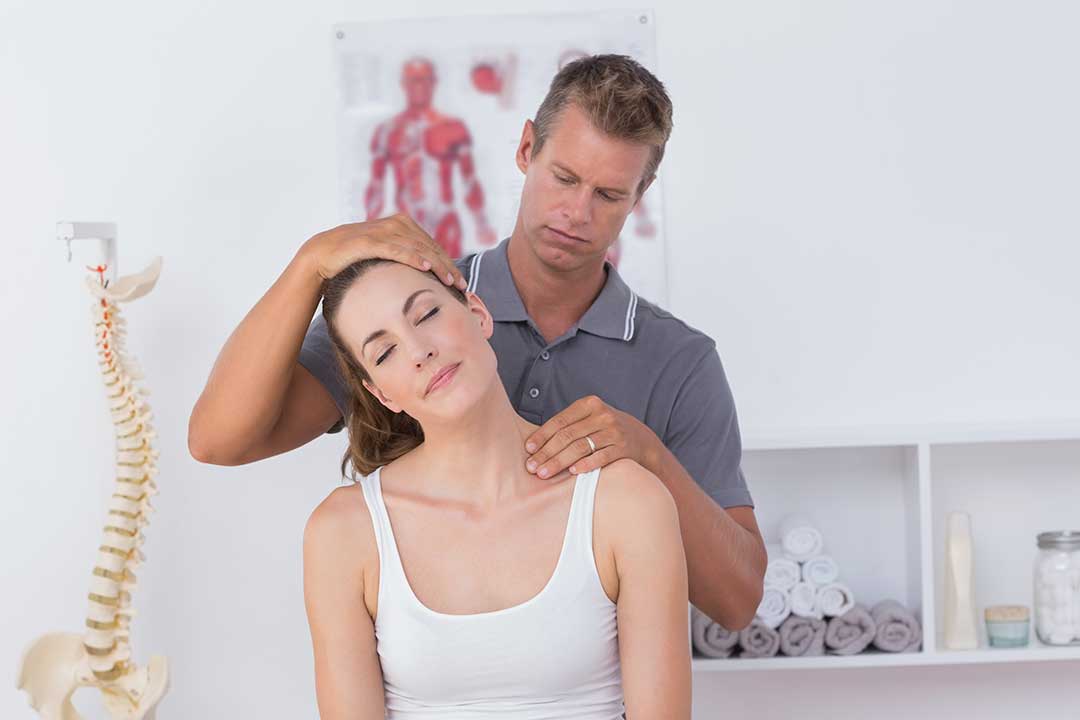
Manual therapy involves hands-on techniques intended to reduce stiffness or improve movement. Spinal mobilization uses controlled movement within a joint’s normal range. Spinal manipulation uses a quicker, more specific force.
These approaches may provide short-term relief for some people, particularly when combined with exercise and self-management. Temporary soreness, stiffness, or a mild increase in pain can occur afterward. Neck manipulation requires especially careful screening because rare but serious vascular and neurological complications have been reported.
A person with osteoporosis, a recent fracture, inflammatory disease, significant neurological symptoms, connective-tissue disorders, or certain vascular conditions may need a different approach.
Medication and other pain-management options
Depending on medical history, a clinician may discuss over-the-counter or prescription medications. Anti-inflammatory drugs are not appropriate for everyone, particularly people with certain kidney, stomach, heart, bleeding, or medication-related risks.
Other options may include heat or cold, short-term activity modification, topical medication, behavioral pain therapy, mindfulness-based methods, or acupuncture. These treatments do not “repair” every structural problem, but they may reduce symptoms enough to make movement and rehabilitation possible.
What about a herniated disc or sciatica?
A herniated disc does not automatically mean surgery. Many disc-related symptoms improve over time with activity modification, exercise, medication when appropriate, and rehabilitation.
Sciatica—pain traveling from the lower back into the buttock or leg—may involve irritation of a spinal nerve. Conservative care may help when there is pain without progressive weakness or major loss of function. Manipulation should not be treated as a universal solution for sciatica, and forceful techniques may not be appropriate for every disc or nerve condition.
Medical evaluation becomes more urgent if leg weakness is worsening, walking is deteriorating, or numbness is spreading. New loss of bladder or bowel control, numbness around the groin, or severe weakness in both legs requires emergency assessment.
When is surgery more likely to be necessary?
Surgery may be considered when pain or disability remains substantial despite a well-designed course of non-surgical care, or when testing shows a problem that is unlikely to improve without an operation.
Examples can include:
- Progressive loss of strength
- Severe spinal cord or nerve compression
- Spinal instability
- Certain fractures
- Infection or tumor
- Persistent symptoms that closely match a correctable structural problem
An MRI finding alone does not prove that surgery is needed. Disc bulges, arthritis, and degenerative changes are common even in people without pain. The imaging result should be compared with symptoms, examination findings, and changes in daily function.
A second opinion may be reasonable when surgery has been recommended but the diagnosis, expected benefit, recovery period, or alternatives are unclear. It is also useful to ask what happens if surgery is delayed, what rehabilitation will involve, and which symptoms the procedure is expected to improve.
How can residents reduce aggravating factors at home?
The physical environment can influence recurring pain. In a dense suburban community such as Lynbrook, household routines may include commuting, prolonged sitting, stairs, yard work, childcare, and carrying groceries or laundry. Seasonal conditions can also increase strain: wet leaves, icy walkways, and snow removal may lead to slips or sudden lifting injuries.
Practical steps include:
- Break up long periods of sitting with brief movement
- Keep frequently used items between waist and shoulder height
- Lift with the load close to the body rather than reaching forward
- Use a stable stance when shoveling or clearing wet leaves
- Avoid twisting while carrying a heavy object
- Increase exercise gradually instead of making sudden weekend changes
- Treat sleep, stress, and general conditioning as part of pain management
What questions should be asked before choosing conservative care?
Useful questions include:
- What is the most likely source of the symptoms?
- Are there signs of nerve compression or another serious condition?
- What improvement should occur, and over what period?
- Which exercises or activities are safe right now?
- How will progress be measured?
- What symptoms would require stopping treatment or seeking urgent medical care?
- Is spinal manipulation appropriate, or would mobilization and exercise be safer?
The most reliable non-surgical plans are individualized, active, and reassessed when progress stalls. Chiropractic care may be one component, but it should fit the diagnosis, medical history, risk level, and functional goals rather than replace necessary medical evaluation.
