
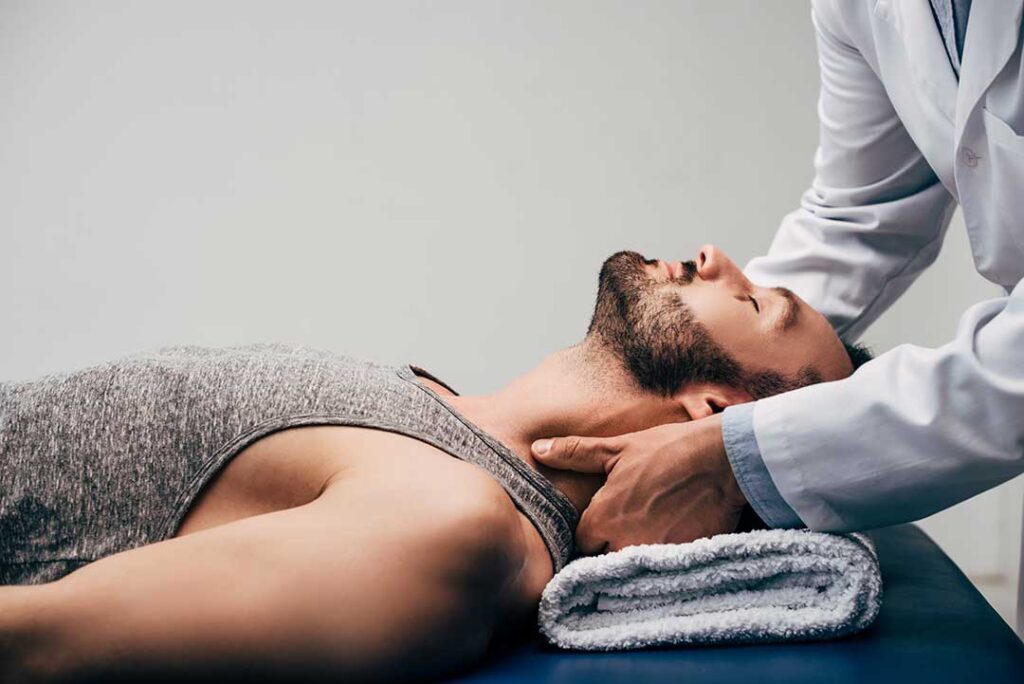
What is the Graston Technique?
The Graston Technique is a form of instrument-assisted soft-tissue mobilization, often abbreviated as IASTM. It uses smooth, handheld tools to apply controlled pressure and gliding movements over muscles, tendons, ligaments, and other soft tissues.
The technique is intended to complement a broader care plan. It is not the same as spinal manipulation, massage therapy, or a procedure that physically “breaks up” scar tissue. The tools help a clinician assess how an area moves and apply a specific type of manual pressure that may be difficult to create with the hands alone.
Treatment is commonly considered for localized stiffness, restricted movement, muscle soreness, tendon-related problems, and some lingering soft-tissue symptoms after an injury.
How does it work?
During treatment, the instrument is moved across the skin over a targeted area. The pressure may be light or moderately firm, depending on the location, the condition being addressed, and the person’s tolerance.
The proposed effects include:
- Improving short-term mobility in restricted soft tissues
- Reducing sensitivity or discomfort in a specific area
- Supporting movement of muscles and joints during rehabilitation
- Helping identify areas that feel unusually dense, tender, or restricted
- Complementing stretching, strengthening, mobility work, and activity changes
The exact biological effects are still being studied. It is more accurate to describe the technique as a method of mechanical stimulation and hands-on care than as a treatment that removes adhesions in a literal or permanent sense.
A person may notice temporary changes in range of motion or discomfort after one session, but lasting improvement generally depends on the underlying condition and what happens between sessions.
What does a typical session feel like?
A session usually begins with questions about symptoms, activity, previous injuries, medications, and relevant health conditions. The area may then be examined through movement testing, palpation, or comparison with the opposite side.
The tool is typically applied with lotion or another lubricant so it can glide over the skin. Sensations may include pressure, mild scraping, warmth, or tenderness. Treatment should not feel sharp, alarming, or intolerably painful.
Some people develop temporary redness or small areas of bruising, known as petechiae. These marks can occur because of increased pressure on small blood vessels near the skin. Bruising is not proof that a treatment was more effective, and severe pain or extensive bruising is not an expected goal.
Afterward, the area may feel worked, tender, or looser for a short period. Drinking fluids, following movement instructions, and avoiding unusually strenuous activity immediately afterward may be suggested, depending on the body region and the reason for treatment.
Which problems may be considered for this approach?
IASTM, including the Graston Technique, has been studied in connection with several musculoskeletal complaints. It may be included in care for:
- Tendon irritation involving areas such as the elbow, shoulder, knee, or ankle
- Muscle tightness or localized soft-tissue soreness
- Reduced joint motion associated with soft-tissue restriction
- Some sports-related overuse problems
- Scar sensitivity or restricted movement after tissue healing
- Certain neck, back, or extremity complaints when an examination supports soft-tissue involvement
Research findings are mixed. Some studies report short-term improvements in pain, flexibility, range of motion, or function, while other research shows limited benefit compared with exercise or other active care. Evidence also varies according to the body region, diagnosis, treatment method, and quality of the study.
For that reason, the technique is best viewed as one possible component of rehabilitation, not a universal solution or a replacement for diagnosis, exercise, gradual loading, or medical care when needed.
Is Graston treatment painful or safe?
Mild discomfort can occur, but treatment should remain within a tolerable range. A person should communicate if the pressure feels too strong, if pain becomes sharp, or if symptoms spread beyond the treatment area.
Safety depends partly on screening. Extra caution or avoidance may be appropriate with:
- An open wound, skin infection, rash, or active inflammation
- A recent fracture or an injury that has not been medically evaluated
- Significant swelling, unexplained bruising, or suspected blood clot
- Known bleeding disorders or the use of blood-thinning medication
- Poor sensation or nerve-related loss of protective feeling
- Certain vascular conditions
- Active cancer in the treatment area
- A recent surgical procedure unless the treating medical team has cleared the area
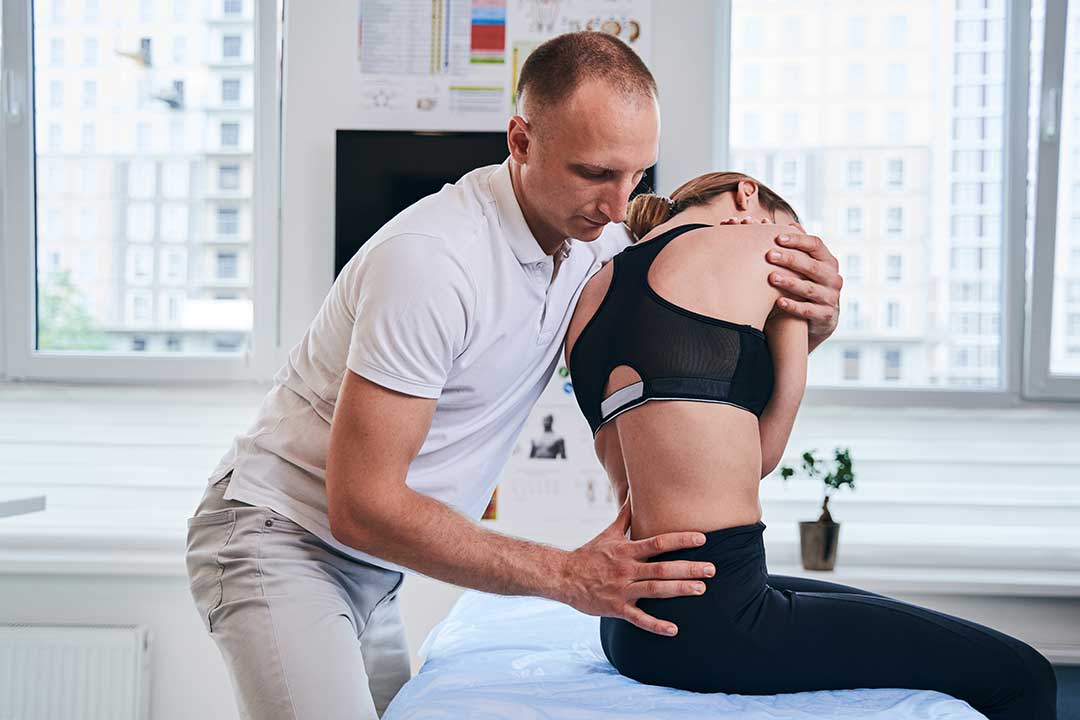
These factors do not all carry the same level of risk, and individual circumstances matter. A complete health history should be reviewed before using an instrument-based technique.
New, severe, or unexplained pain should not be assumed to be a soft-tissue problem. Symptoms such as major weakness, loss of coordination, fever, rapidly increasing swelling, chest pain, or sudden shortness of breath require prompt medical attention rather than manual treatment.
How does it fit into chiropractic care?
In chiropractic care, instrument-assisted soft-tissue work may be paired with movement assessment, mobility exercises, strengthening, ergonomic changes, or other conservative approaches. The appropriate combination depends on the source of symptoms.
For example, someone who develops calf or hip tightness after increased walking may need a different plan than someone with persistent elbow pain from repetitive gripping. A person who spends long periods commuting, works at a computer, or maintains a home during winter weather may develop movement habits that influence symptoms, but those habits alone do not establish a diagnosis.
Exercise is usually an important part of maintaining any temporary improvement. Soft-tissue treatment may make movement more comfortable, while strengthening and gradual exposure to activity help build lasting capacity.
What should residents ask before treatment?
Before receiving the technique, useful questions include:
- What condition or movement problem is being addressed?
- What findings suggest that soft-tissue treatment may help?
- What should the treatment feel like?
- Are bruising or soreness expected in this case?
- What activities should be modified afterward?
- What exercises or mobility work should accompany it?
- How will progress be measured?
- What would indicate that another type of evaluation is needed?
These questions can help distinguish a focused treatment plan from a routine procedure being applied without clear reasoning.
For residents of Lynbrook, seasonal activity changes may be relevant. Outdoor walking, recreational sports, home projects, and winter tasks such as clearing snow can place sudden demands on tissues that are not accustomed to repeated gripping, bending, lifting, or prolonged effort. Gradually increasing activity and addressing strength or mobility limitations may be more valuable than relying on passive treatment alone.
What are the main misconceptions?
One common misconception is that the instrument must cause bruising to work. It does not. Another is that the technique can permanently remove scar tissue in one session. Tissue healing and remodeling are more complex, and symptoms can persist for reasons unrelated to scar formation.
It is also inaccurate to assume that a branded technique has the same evidence for every diagnosis. Research on IASTM does not automatically prove that the approach will help every person or every body part.
The most reasonable role for the Graston Technique is as a carefully selected, monitored addition to a broader plan that matches the person’s diagnosis, goals, medical history, and response to treatment.
