
Why does core strength matter for spinal health?
Core strength helps the body support, stabilize, and move the spine during everyday activities. The core includes more than the abdominal muscles: it also involves muscles in the back, pelvis, hips, diaphragm, and sides of the trunk.
A well-functioning core can help distribute forces during movements such as lifting laundry baskets, carrying groceries, climbing stairs, getting out of a chair, or shoveling after a winter storm. Weakness, poor coordination, or fatigue in these muscles may cause other areas of the body to work harder.
That does not mean every episode of back pain is caused by weak abdominal muscles. Back pain can involve joints, discs, nerves, muscles, sleep, stress, work demands, previous injuries, and other health conditions. The National Institute of Arthritis and Musculoskeletal and Skin Diseases identifies weak back and stomach muscles as one possible factor that may reduce support for the spine. ([niams.nih.gov](https://www.niams.nih.gov/health-topics/back-pain?utm_source=openai))
What does the “core” actually do?
The core acts as a stabilizing system between the upper and lower body. It helps keep the trunk controlled while the arms and legs move.
Its functions include:
- Resisting unwanted twisting or bending
- Supporting the pelvis and lower back during walking
- Helping transfer force between the legs and upper body
- Maintaining balance during reaching, lifting, and stepping
- Allowing the spine to move without excessive strain on one area
Core strength is not the same as having visible abdominal muscles. A person can have strong, useful core control without performing intense workouts or having a highly defined midsection. Endurance, coordination, breathing, and the ability to control movement are often just as important as maximum strength.
Can stronger core muscles prevent back pain?
They may reduce some risks, but they cannot guarantee that back pain will never occur. Physical activity and exercise are generally part of evidence-based approaches to managing and reducing the effects of many types of low back pain. The World Health Organization includes exercise programs, education, and self-care among recommended non-surgical approaches for chronic primary low back pain. ([who.int](https://www.who.int/news/item/07-12-2023-who-releases-guidelines-on-chronic-low-back-pain?utm_source=openai))
Prevention depends on more than strengthening. Helpful factors may include:
- Taking regular movement breaks during long periods of sitting
- Building strength gradually rather than suddenly increasing activity
- Improving hip and leg strength along with trunk strength
- Using safe lifting habits without expecting a “perfect” posture
- Getting adequate sleep and maintaining general physical activity
- Avoiding prolonged bed rest after a routine episode of back pain
For residents balancing commuting, desk work, household tasks, and seasonal outdoor chores, a steady routine is usually more practical than occasional strenuous exercise.
Which exercises can improve core control?
The most appropriate exercises depend on a person’s symptoms, age, health history, and current fitness level. For many people without warning signs, gentle exercises that emphasize control are a reasonable starting point.
Examples include:
- Abdominal bracing: Lie on the back with knees bent. Gently tighten the abdominal muscles as if preparing for a light cough, while continuing to breathe normally.
- Bridge: From the same position, tighten the abdomen and lift the hips only as high as comfortable, keeping the movement controlled.
- Bird dog: From hands and knees, slowly extend one arm and the opposite leg without arching or rotating the back.
- Side plank modification: Support the body on a bent knee and forearm, maintaining a straight line through the trunk.
- Dead bug variation: While lying on the back, move one arm or leg at a time while keeping the trunk steady.
Quality matters more than the number of repetitions. A person should be able to breathe, maintain control, and stop before fatigue causes the back to arch, twist, or compensate.
Walking, swimming, cycling, and other forms of moderate activity can also support spinal health. There is no single exercise that is best for every person or every type of back pain. The goal is consistent, tolerable movement that supports function.
How should someone start if they have not exercised recently?
Begin with a manageable amount, such as five to ten minutes of walking or a few controlled repetitions of one or two exercises. Increase duration or repetitions gradually rather than changing several factors at once.
Mild muscle fatigue can be expected, but sharp pain, spreading symptoms, numbness, or increasing weakness should not be ignored. Exercises should not produce a steady worsening of symptoms over the following hours or days.
A useful progression may include:
1. Learning to breathe and brace without holding the breath
2. Practicing simple movements while lying or standing
3. Adding controlled arm or leg movements
4. Increasing repetitions before adding resistance
5. Using core control during functional tasks such as lifting or stepping
People with osteoporosis, recent surgery, significant injuries, pregnancy-related concerns, or known spinal conditions may need individualized guidance before beginning new exercises.
Does good posture eliminate the need for core strength?
No. There is no single posture that protects the spine all day, and even a well-aligned position can become uncomfortable if maintained too long. The spine is designed to move, and changing positions is often more useful than trying to hold a rigid posture.
Core strength helps a person move between positions and tolerate ordinary activity. It is better understood as movement capacity than as constant abdominal tension.
For example, sitting at a kitchen table, working at a computer, or riding in a vehicle may become more comfortable when paired with:
- Periodic standing or walking
- A chair height that allows the feet to rest securely
- Frequently changing position
- Keeping commonly used objects within easy reach
- Avoiding sudden twisting while lifting
When is back pain a reason to seek prompt medical evaluation?
Most routine low back pain is not caused by a dangerous condition, but certain symptoms require prompt attention. Seek urgent medical evaluation for back pain accompanied by new loss of bladder or bowel control, numbness in the groin area, major or progressive leg weakness, or severe symptoms after significant trauma.
Medical evaluation is also appropriate for pain associated with fever, unexplained weight loss, a history of cancer, serious infection risk, or pain that is progressively worsening or persistently disrupting sleep. These symptoms do not identify a diagnosis by themselves, but they should not be managed solely with home exercise.
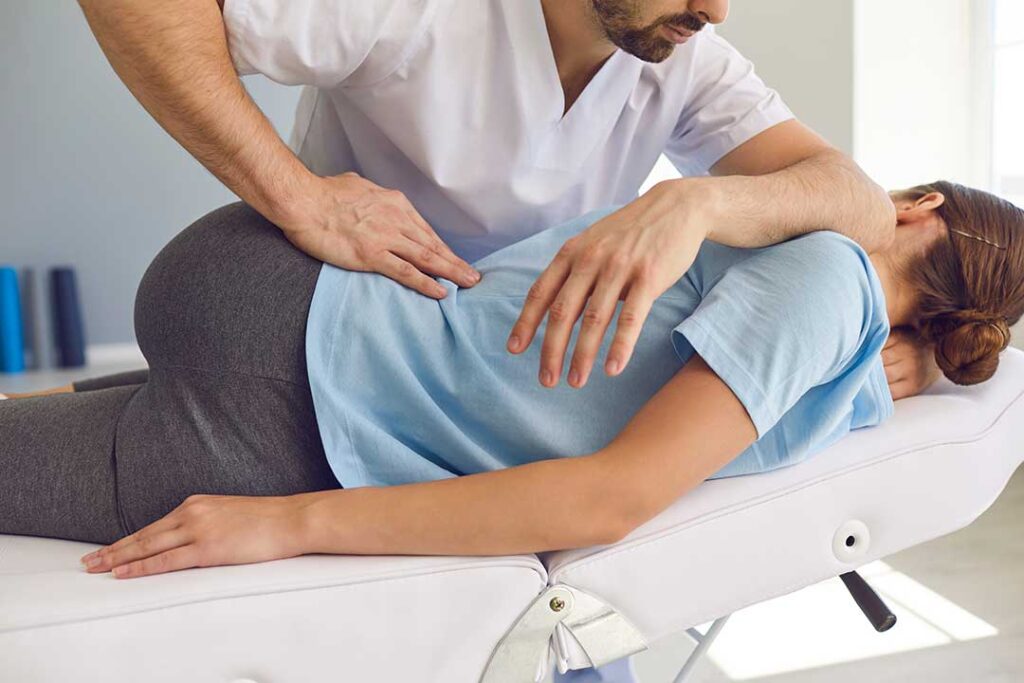
A chiropractor, physician, physical therapist, or other qualified healthcare professional may assess movement, strength, neurological signs, and contributing factors when symptoms do not improve or when the cause is unclear. The appropriate approach depends on the findings rather than on the label “core weakness.”
What is the main takeaway for spinal health?
Core strength is valuable because it improves the body’s ability to control movement and share physical demands across the trunk, hips, and legs. It is only one part of spinal health, however. Regular activity, gradual strengthening, recovery, sleep, and attention to warning signs matter as well.
For many local households, practical training does not require specialized equipment. Walking, controlled body-weight exercises, and steady attention to movement tolerance can provide a useful foundation while avoiding the misconception that intense abdominal workouts are necessary for a healthy spine.
