

Clicking, popping, or crunching sounds in the neck are common and often harmless. The sound may come from normal pressure changes inside a spinal joint, a tendon or ligament moving over nearby tissue, or age-related changes in the joints. However, clicking deserves closer attention when it is new, painful, associated with an injury, or accompanied by neurological symptoms.
What causes clicking in the neck?
Most neck sounds are forms of crepitus, a general term for popping, snapping, grating, or crackling sensations around a joint. Several different processes can create these sounds.
Pressure changes inside the joints are one common cause. The small joints at the back of the neck contain lubricating fluid. When the head turns or the neck stretches, pressure within a joint can change quickly, producing a pop.
Tendons and ligaments can also move as the neck changes position. A band of connective tissue may glide over a bony structure and then shift back into place, creating a brief snap or click. This may happen more noticeably when turning the head after sitting still.
Muscle tension and posture can make the sounds more noticeable. Long periods of looking down at a phone, working at a computer, driving, or reading can affect how the neck and shoulders move. In a densely settled community such as Lynbrook, commuting, desk work, and household routines may all contribute to prolonged static posture.
Normal aging changes may cause more grinding or crackling over time. The joints and discs of the cervical spine can gradually change with age, previous strain, or past injury. These changes do not automatically mean that the neck is seriously damaged.
Is neck clicking usually dangerous?
Clicking without pain, weakness, numbness, or loss of movement is usually not an emergency. A sound by itself does not prove that bones are rubbing together or that the spine is “out of place.”
The sound can occur in otherwise healthy necks, particularly when someone turns the head after remaining in one position. It may also come and go depending on fatigue, muscle tightness, activity level, and how far the neck is rotated.
A common misconception is that every neck click indicates arthritis. Clicking does not necessarily mean arthritis, and occasional joint sounds do not reliably predict future joint disease. The meaning of the sound depends more on the full pattern of symptoms than on the noise alone.
Why does my neck click when I turn my head?
A click that occurs only with a particular movement may be related to joint motion, soft-tissue movement, or mild stiffness. For example, a person may hear a click when looking over one shoulder but not when looking straight ahead.
The following details can help clarify the pattern:
- Whether the sound occurs on one side or both sides
- Whether it happens during turning, bending, looking upward, or returning to a neutral position
- Whether the click is painless or accompanied by soreness
- Whether the neck feels stiff before or after the sound
- Whether the sound began after a fall, collision, sports injury, or sudden movement
Keeping track of these features can be more useful than focusing on how loud the click is.
Can poor posture cause neck clicking?
Poor posture does not usually create a single isolated cause, but it can influence neck mechanics and muscle tension. Holding the head forward for extended periods may increase strain on the muscles at the back of the neck and upper shoulders. As those tissues become fatigued, normal movements may feel less smooth or make existing sounds easier to notice.
Practical steps include changing position regularly, raising screens closer to eye level, supporting the arms during computer work, and avoiding long periods with the chin angled toward the chest. During colder months, people may also spend more time indoors using phones, laptops, or televisions, which can increase uninterrupted sitting.
Gentle movement is generally preferable to keeping the neck rigid. Slow, comfortable turns and frequent position changes can help maintain mobility. Movements should not be forced into a click.
Is it safe to crack your own neck?
Occasionally moving the neck naturally may produce a harmless pop. Repeatedly forcing the neck to crack, especially with strong twisting or pulling, is different. Forceful self-manipulation can strain muscles and ligaments, irritate a nerve, or make a joint feel less stable.
People who feel compelled to crack the neck every few minutes may be responding to stiffness, stress, muscle fatigue, or an underlying movement problem. The temporary feeling of relief does not necessarily mean the cause has been corrected.
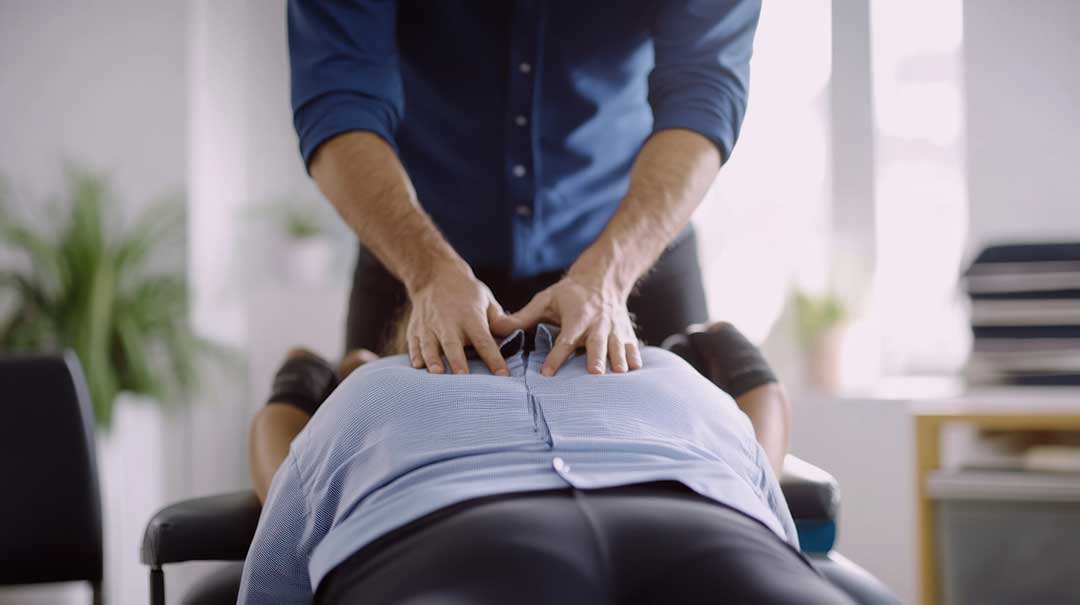
Avoid having another person forcefully twist or thrust the neck. The neck contains important nerves and blood vessels, and sudden, high-force movements carry avoidable risks.
When should clicking be checked?
Neck clicking should be medically assessed when it is accompanied by symptoms that suggest more than ordinary joint noise. Concerning features include:
- Persistent or worsening neck pain
- Pain spreading into the shoulder, arm, hand, or fingers
- Numbness, tingling, weakness, or reduced grip
- Significant stiffness or loss of normal movement
- Clicking that began after a fall, collision, or other injury
- A sensation of catching or locking
- Fever, unexplained weight loss, or feeling generally unwell
- Problems with balance, walking, coordination, or bladder or bowel control
Urgent evaluation is appropriate after neck trauma if there is severe pain, weakness, numbness, confusion, or difficulty walking. A sudden severe headache, dizziness, double vision, slurred speech, facial drooping, or trouble swallowing after forceful neck movement also requires emergency attention.
These warning signs do not mean that a serious condition is definitely present. They do mean that the symptoms should not be explained away as ordinary cracking.
What can residents do at home?
For mild, painless clicking, the main approach is observation and gentle care rather than trying to eliminate the sound. Helpful habits may include:
- Taking brief movement breaks during desk work or driving
- Adjusting screens so the head does not remain tilted downward
- Using a comfortable sleeping position that does not force the neck sharply to one side
- Applying gentle warmth for muscle tightness
- Performing slow, pain-free range-of-motion movements
- Avoiding repeated forceful neck cracking
- Not ignoring symptoms that continue, spread, or interfere with daily activities
A chiropractor, physical therapist, primary care clinician, or other qualified healthcare professional may evaluate persistent symptoms and determine whether the issue appears related to muscles, joints, nerves, or a previous injury. The appropriate provider depends on the symptoms and their severity.
The key distinction is simple: a painless click that comes and goes is often benign, while clicking combined with pain, injury, neurological changes, or loss of function deserves a closer look.
