
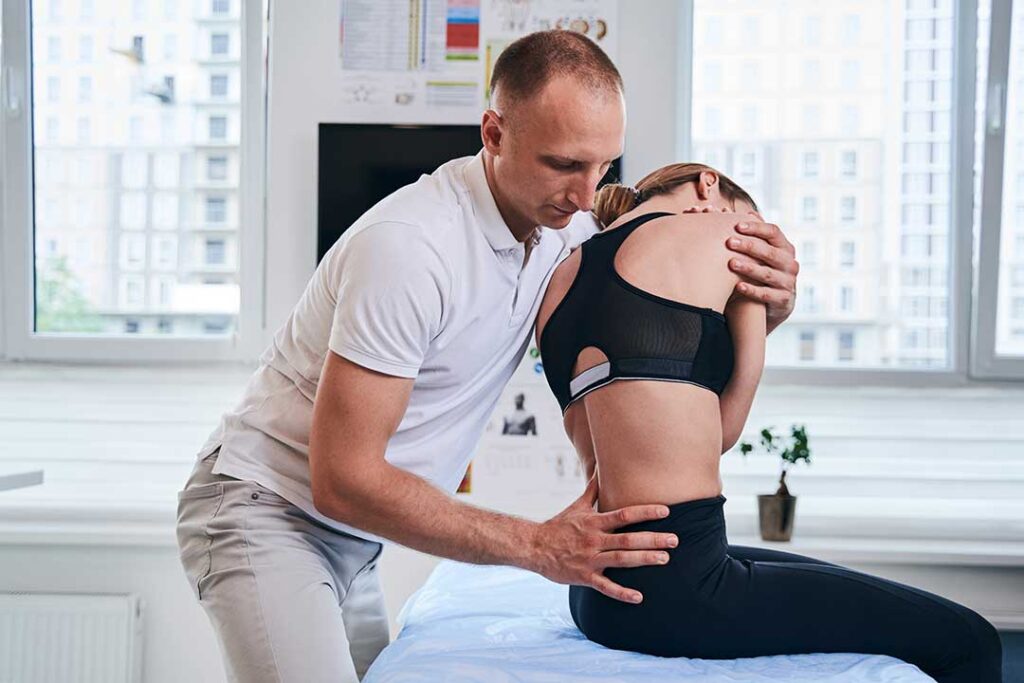
Children carry backpacks through hallways, along sidewalks, into cars, and sometimes for long periods between home and school activities. A bag that is too heavy or poorly fitted can place extra strain on the neck, shoulders, back, and hips. The concern is usually not one heavy day, but repeated loading combined with awkward posture, uneven carrying, or limited recovery time.
How heavy should a child’s backpack be?
A practical upper limit is about 10% to 15% of a child’s body weight. Staying closer to 10% is a reasonable choice for younger children, smaller children, or students who walk longer distances.
For example:
- A child weighing 60 pounds should generally carry no more than about 6 to 9 pounds.
- A child weighing 80 pounds should generally carry no more than about 8 to 12 pounds.
- A child weighing 100 pounds should generally carry no more than about 10 to 15 pounds.
This includes books, folders, electronic devices, lunch, water bottles, sports equipment, and the backpack itself. The percentage is a useful guide rather than a guarantee that every child will tolerate the same load. A child with existing pain, poor balance, or a condition affecting movement may need a lighter load.
Weighing the fully packed bag on a household scale can reveal a problem that is easy to underestimate. A backpack that feels manageable for a few seconds may become uncomfortable after a full school day.
What health problems can a heavy backpack cause?
An overloaded backpack can contribute to muscle fatigue, neck discomfort, shoulder soreness, headaches related to muscle tension, and back pain. Children may also experience pressure or tingling where straps rest against the shoulders.
A heavy load can change the way a child stands and walks. Common adjustments include:
- Leaning forward from the hips
- Rounding the shoulders
- Arching the lower back
- Lifting one shoulder higher than the other
- Walking more slowly or stiffly
- Swinging the backpack from side to side
- Removing one strap because both straps feel uncomfortable
These changes may temporarily help a child manage the load, but they can increase fatigue and make ordinary walking less efficient. Repeated strain may also affect participation in physical activity, concentration, or willingness to carry the bag.
A backpack does not typically cause scoliosis. However, carrying it unevenly can produce temporary postural asymmetry and may aggravate discomfort in a child who already has a musculoskeletal problem.
Does wearing a backpack on one shoulder matter?
Yes. Using one shoulder concentrates the load on one side of the body and encourages the child to tilt or rotate the trunk. It can also cause one strap to dig into the shoulder.
Children should use both shoulder straps, even when the backpack is relatively light. Wide, padded straps are generally more comfortable than narrow straps. If the bag has a chest strap or waist belt, using those features can help keep the load closer to the body and reduce swinging.
A backpack should rest high enough that it does not hang near the buttocks. The bottom should sit around the lower back or slightly above the waist, rather than far below it.
How should a backpack be packed?
Packing changes how the weight feels. Heavy items should be placed closest to the child’s back, where they are less likely to pull the body backward. Lighter objects can go in outer compartments.
A simple packing routine includes:
- Remove papers, books, and supplies that are not needed that day.
- Keep the heaviest item near the child’s back.
- Use smaller compartments to prevent contents from shifting.
- Carry water in a container that does not add unnecessary weight.
- Empty the bag weekly, since forgotten projects and old papers accumulate quickly.
- Avoid using the backpack as a storage space for toys or extra clothing.
In homes where children travel between school, after-school activities, and different caregivers, it may help to create a short evening packing routine. Preparing only the materials needed for the next day can keep the load from gradually becoming heavier.
What backpack features support safer use?
The backpack should be proportionate to the child rather than selected mainly for appearance or capacity. A very large bag often encourages overpacking and may hang too low.
Useful features include:
- Two adjustable shoulder straps
- Padding that does not press sharply into the back
- A size that does not extend well below the waist
- Several compartments for balanced packing
- A chest strap or waist belt when appropriate
- A lightweight design before supplies are added
Rolling backpacks can reduce the need to carry weight, but they may be difficult to use on stairs, uneven sidewalks, crowded walkways, or wet surfaces. Pulling a rolling bag behind the body may also cause twisting if the child repeatedly changes hands. They are best viewed as an option for particular situations, not an automatic solution.
What should families watch for during the school year?
Parents and caregivers should pay attention to behavior as well as complaints. A child may not describe the problem as “back pain.” Instead, the child may say that the straps hurt, feel tired after a short walk, or avoid putting the backpack on.
Warning signs include:
- Persistent pain in the neck, back, or shoulders
- Numbness, tingling, or weakness in an arm or hand
- Red marks that do not fade soon after removing the bag
- Difficulty walking normally while carrying it
- Frequent headaches that appear after wearing the backpack
- Leaning noticeably forward or to one side
- Pain that continues after the backpack is removed
Pain after a fall, sudden weakness, loss of coordination, or symptoms that persist despite reducing the load deserve prompt medical attention. A child with recurring pain should be evaluated rather than simply told to “stand up straight.”
How can seasonal conditions affect backpack strain in Lynbrook?
In Lynbrook, children may walk outdoors during changing seasonal conditions, including cold weather, rain, snow, and humid summer days. Bulky coats can make shoulder straps fit differently, while wet clothing or extra layers may add small amounts of weight that become significant in a fully loaded bag.
During colder months, straps should be adjusted over the layers the child actually wears outdoors. The backpack should still sit close to the body without restricting arm movement. On rainy or snowy days, slippery sidewalks and heavier clothing can make balance more demanding, which is another reason to avoid unnecessary weight.
A comfortable, well-fitted backpack supports normal movement. The goal is not perfect posture at every moment, but a load light and stable enough that a child can walk, sit, climb stairs, and participate in daily activities without compensating for the bag.
