
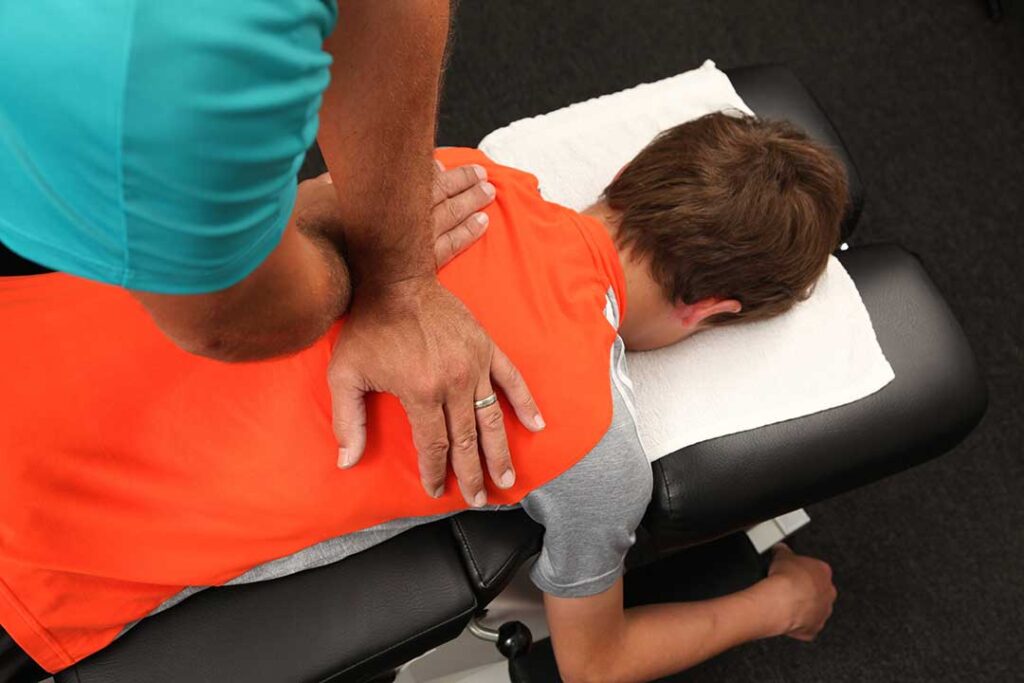
Healthy spine habits are built through ordinary activities: walking, sitting, lifting, sleeping, exercising, and recovering from physical strain. For residents of Lynbrook, seasonal weather, compact living spaces, commuting, desk work, household chores, and outdoor maintenance can all affect how the back and neck feel.
A healthy spine does not require perfect posture or avoiding movement. It depends more on regular activity, sensible loading, adequate recovery, and responding to symptoms before they become disabling.
What habits help maintain a healthy spine?
The most useful daily habits are staying active, changing positions often, strengthening the muscles that support the trunk, and using practical lifting techniques. No single stretch, chair, mattress, or posture eliminates every cause of back pain.
Try to build movement into the day rather than relying on one intense workout. Short walks, gentle mobility exercises, household tasks, recreational activity, and structured strength training can all contribute to spinal health. If a person has been inactive, increasing activity gradually is generally more comfortable than starting with demanding exercises.
A balanced routine may include:
- Regular walking or another low-impact aerobic activity
- Strength exercises for the hips, legs, abdomen, and back
- Mobility work for the hips, upper back, and shoulders
- Brief movement breaks during prolonged sitting
- Warm-ups before sports, yardwork, snow-related tasks, or heavier chores
Mild muscle fatigue can be expected after new activity. Sharp pain, worsening numbness, or symptoms that spread down an arm or leg are reasons to stop and reassess.
How should someone sit at a desk or while commuting?
Sitting itself is not automatically harmful, but staying in one position for a long time can increase stiffness and discomfort. The goal is to support a neutral, comfortable posture and change positions regularly.
For desk work, keep the screen near eye level, allow the shoulders to relax, and place both feet on the floor or on a stable support. The lower back should have gentle support without forcing it into an exaggerated arch. Avoid leaning toward a screen for long periods.
A practical approach is to stand, walk, or change position every 30 to 60 minutes. A short movement break is often more useful than trying to hold a rigid “perfect” posture all day.
During longer car trips, adjust the seat so the hips and knees are comfortably supported. A small rolled towel or built-in lumbar support may help some people. Stop periodically when possible, especially if stiffness begins to build.
What is the safest way to lift household items?
Lifting becomes more demanding when an object is heavy, bulky, far from the body, or handled while twisting. Laundry baskets, storage containers, bags of soil, furniture, and seasonal equipment can all place stress on the back if moved quickly or awkwardly.
Before lifting, assess the load. Divide it into smaller portions when possible, clear the path, and ask for help with an unusually heavy or awkward object. Keep the item close to the body, bend through the hips and knees, and use the legs to rise. Turn by moving the feet rather than twisting the trunk while holding the load.
For objects stored overhead, use a stable step rather than reaching and pulling from an unstable position. In homes with basements, attics, narrow stairways, or limited storage areas, planning the route before lifting is especially useful.
Lifting technique can reduce unnecessary strain, but it cannot make an unsafe load safe. Repeated heavy work may require rest periods, task rotation, or a change in how items are stored.
Does posture cause back pain?
Poor posture may contribute to discomfort, but posture is only one factor. Bodies are designed to move through many positions, and a slouched position held briefly is not likely to damage the spine by itself.
The more relevant concern is staying in an uncomfortable position for a long time, especially when combined with force, repetition, vibration, or fatigue. This can occur during computer work, home repairs, prolonged phone use, driving, or repetitive household tasks.
Instead of trying to maintain a stiff upright position, aim for relaxed alignment:
- Keep the head generally over the shoulders
- Let the shoulders rest rather than pulling them sharply backward
- Keep the pelvis supported while sitting
- Change positions before discomfort becomes intense
- Bring frequently used objects closer to reduce repeated reaching

Good posture should feel sustainable, not like a continuous muscle workout.
Can exercise strengthen and protect the spine?
Yes. Regular exercise supports the spine by improving muscle endurance, balance, coordination, bone health, and general fitness. It may also reduce the likelihood that everyday activities will feel unusually demanding.
A useful starting program can include walking, body-weight exercises, resistance bands, light strength training, or water-based activity. Exercises such as bridges, sit-to-stands, bird-dog movements, and controlled abdominal exercises may be appropriate for some people, but the best choices depend on current fitness, age, previous injuries, and symptoms.
Increase duration or resistance gradually. Avoid treating pain as a test of willpower. If an exercise repeatedly causes symptoms to travel into the arm or leg, produces weakness, or causes significant pain that persists after activity, it should be modified or stopped until its safety is clearer.
Does sleep position affect spinal comfort?
Sleep position can influence comfort, although there is no single best position for everyone. Side sleeping with a pillow between the knees may reduce strain for some people. Back sleeping with a pillow under the knees can also feel more comfortable. A pillow that keeps the neck level with the rest of the spine may help reduce morning stiffness.
Stomach sleeping can be uncomfortable for some individuals because the neck remains rotated for a long time, but personal comfort matters. The mattress does not need to be extremely firm to support the back. It should allow a reasonably neutral position without excessive sagging.
If pain is consistently worse after sleep, examine the position, pillow height, mattress condition, and time spent in one position rather than assuming that a more expensive product is required.
How do seasonal chores affect the back?
Cold weather can make muscles feel stiff, while spring cleanup, summer projects, and autumn maintenance may involve sudden increases in bending, carrying, reaching, or twisting. The risk often comes from doing too much after a period of relative inactivity.
Before heavier chores, walk briefly and move the hips, shoulders, and ankles through a comfortable range. Break large jobs into smaller sessions. Alternate tasks so the same muscle groups are not used continuously, and avoid rushing near the end of a project when fatigue affects coordination.
Wet leaves, icy surfaces, uneven walkways, and cluttered stairs also increase the chance of a fall. Keeping paths clear, using appropriate footwear, and carrying smaller loads can protect both the spine and the lower extremities.
When should back or neck symptoms be evaluated promptly?
Many episodes of back pain improve with continued gentle movement and time, but certain symptoms require prompt medical attention. Seek urgent evaluation for back pain accompanied by new loss of bladder or bowel control, numbness around the groin, severe or progressive leg weakness, fever, major trauma, or unexplained weight loss.
Medical evaluation is also sensible when pain is severe, keeps worsening, repeatedly interrupts sleep, follows a fall, or does not begin improving with ordinary self-care. Pain that travels down an arm or leg, persistent tingling, or noticeable weakness should not be dismissed as simple muscle tightness.
A chiropractor may be part of care for some musculoskeletal conditions, but spinal symptoms can have many causes. The appropriate evaluation depends on the pattern of symptoms, medical history, medications, age, and possible warning signs. Healthy spine care starts with accurate attention to those details rather than assuming every problem has the same solution.
