

Why does hydration matter for spinal health?
Hydration supports the normal function of the spinal discs, muscles, joints, connective tissues, and nerves. It does not prevent every cause of back or neck pain, but regular fluid intake helps the body maintain tissues that absorb movement and support the spine.
The spine depends on several water-rich structures. Intervertebral discs sit between the vertebrae and help distribute pressure during walking, bending, lifting, and sitting. Their water content changes naturally throughout the day. Discs generally lose some fluid while the body is upright and under load, then regain fluid during periods of rest and lying down.
This daily cycle is normal. However, dehydration can add to fatigue, muscle cramping, headaches, reduced concentration, and a general feeling of stiffness. Those effects may make existing back or neck discomfort feel more noticeable.
Can drinking water repair a damaged spinal disc?
No. Drinking more water cannot reverse a herniated disc, rebuild worn cartilage, correct spinal degeneration, or cure chronic back pain.
Hydration is better understood as a supportive habit. Adequate fluids help the body regulate temperature, transport nutrients, remove waste, and maintain normal muscle and connective-tissue function. Those processes are relevant to the spine, but water alone is not a treatment for a structural spinal condition.
Disc health also depends on age, genetics, physical activity, smoking, body weight, sleep, work demands, prior injuries, and other medical factors. A person can drink enough water and still develop back pain. Conversely, someone with occasional stiffness may feel better after addressing dehydration, prolonged sitting, poor sleep, or muscle fatigue.
How much water should local residents drink?
There is no single amount that fits every adult. Fluid needs vary with body size, diet, activity, temperature, humidity, illness, pregnancy, and medications.
A practical approach is to drink consistently throughout the day rather than waiting until intense thirst develops. Water can come from beverages and water-rich foods such as fruits, vegetables, soups, and yogurt. Pale-yellow urine often suggests reasonable hydration, although urine color can be affected by supplements, medications, and some health conditions.
Residents may need more fluids during humid summer weather, outdoor work, exercise, long walks, or time spent in warm indoor spaces without good air circulation. Sweating increases fluid loss even when activity feels moderate.
Useful habits include:
- Drinking water with meals and between meals.
- Keeping a refillable bottle available during commuting, errands, or desk work.
- Taking several drinks during outdoor activity instead of consuming a large amount all at once.
- Eating regular meals when sweating heavily, since food supplies electrolytes and energy.
- Choosing water more often than beverages with high amounts of added sugar.
People who have been told to restrict fluids, or who take water pills or have kidney, heart, or liver disease, should follow individualized medical guidance rather than increasing water intake independently.
Does dehydration directly cause back pain?
Dehydration is not considered a single, direct cause of most back pain. It can, however, contribute to conditions that make discomfort more likely or harder to tolerate.
When the body is short on fluids, muscles may fatigue more quickly and become more prone to cramping. Reduced energy can also change posture and movement. For example, a person who is tired after a hot day may brace the lower back, hunch over a desk, or lift objects with less control.
The spinal discs themselves contain substantial water, but drinking water does not immediately “fill” them like a sponge. Disc hydration is influenced by movement, body position, spinal loading, rest, and the disc’s existing condition. Rest at night allows normal fluid exchange, while prolonged compression during the day changes disc height and water distribution.
That is why hydration should be paired with regular movement, sound lifting technique, and breaks from extended sitting.
What is the connection between hydration and chiropractic care?
From a musculoskeletal perspective, hydration is one part of a broader approach to spinal function. Well-hydrated tissues may tolerate normal activity more comfortably, while adequate fluids can support general physical readiness for exercise, mobility work, and daily tasks.
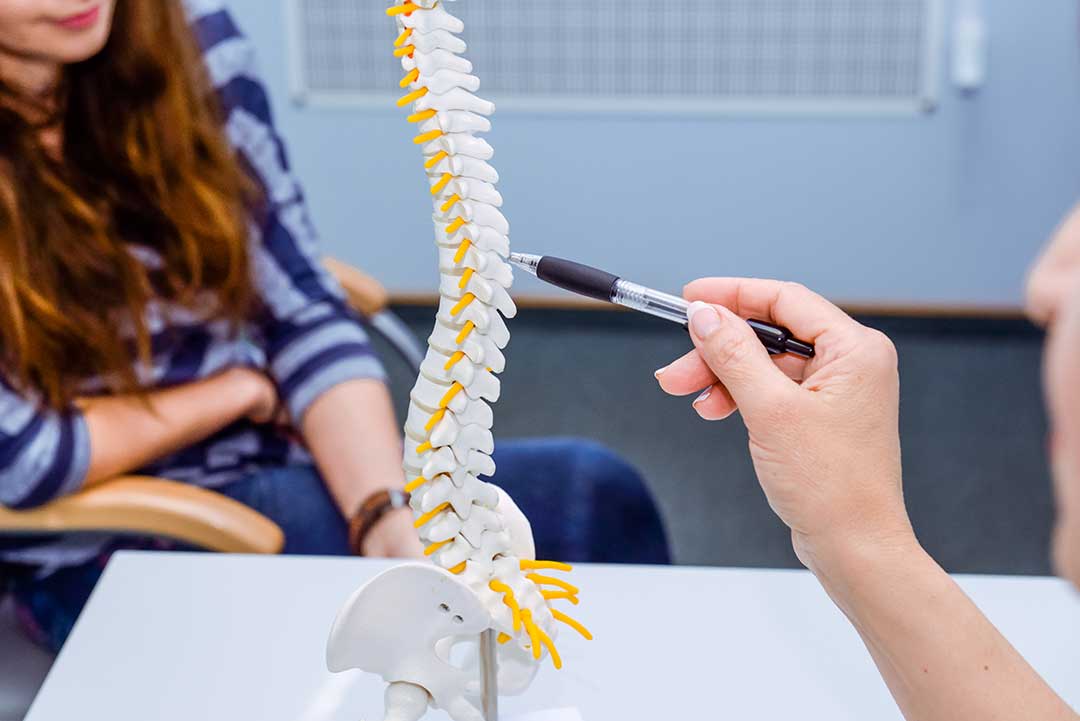
Hydration does not replace evaluation when symptoms are persistent, severe, or unusual. It is also not a substitute for strengthening the trunk and hips, improving workstation habits, managing workload, or addressing sleep problems.
For people who sit for long periods, a simple routine can help:
- Drink regularly during the workday.
- Stand or walk briefly every 30 to 60 minutes.
- Change position instead of remaining fixed in one posture.
- Use controlled movement when reaching, lifting, or carrying.
- Avoid treating thirst, fatigue, or muscle cramps as inconveniences to ignore.
These habits are especially practical in dense residential and commuting environments, where a day may include desk work, driving, walking, stairs, and household tasks.
Can too much water be harmful?
Yes. Excessive water intake can dilute sodium in the blood, a potentially serious condition called hyponatremia. This is more likely when someone drinks very large amounts quickly, particularly during prolonged exercise or heavy sweating.
More water is not automatically better for the spine. The goal is steady, appropriate hydration—not forcing fluids beyond thirst, normal needs, or medical advice.
Warning signs of significant dehydration can include very dark urine, unusual weakness, dizziness, confusion, fainting, rapid heartbeat, or inability to keep fluids down. Severe symptoms require prompt medical attention. Heat-related symptoms such as headache, nausea, muscle cramps, weakness, or confusion should be taken seriously during hot and humid conditions.
What is the most useful hydration routine for back health?
A reliable routine is simple: drink regularly, increase fluids during heat and activity, eat balanced meals, and pay attention to changes in thirst, urine, energy, and muscle function.
Hydration supports the body’s ability to move and recover, but spinal health depends on more than water. Regular physical activity, adequate sleep, gradual conditioning, safe lifting, and breaks from prolonged sitting all work together.
Back pain accompanied by leg weakness, loss of bladder or bowel control, numbness in the groin area, fever, major trauma, or unexplained weight loss requires prompt medical evaluation rather than self-care alone.
