
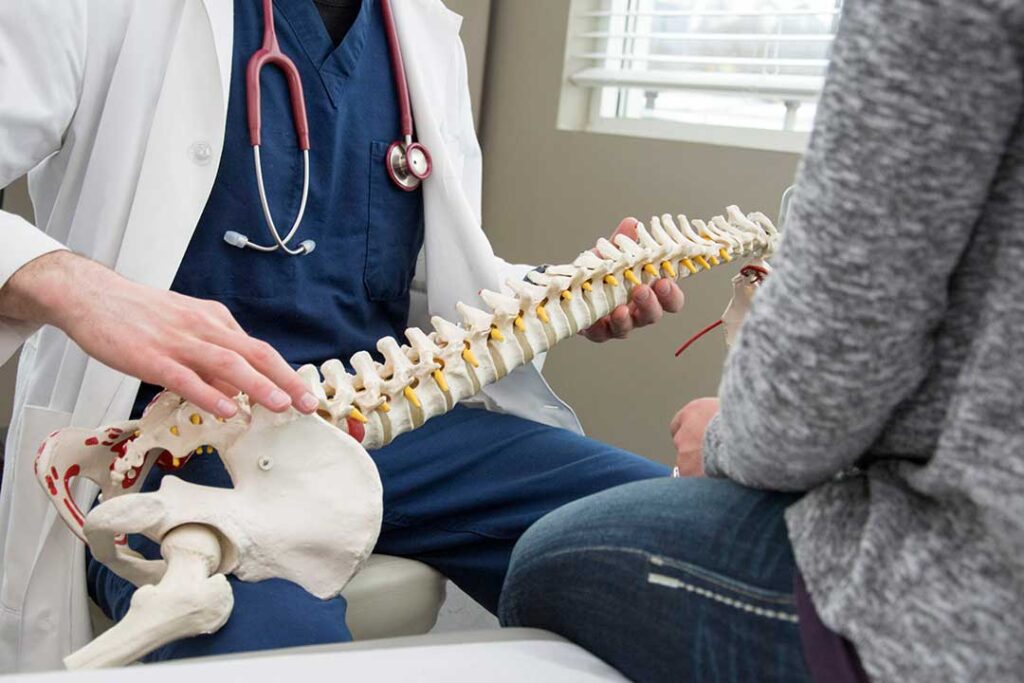
Premenstrual syndrome, or PMS, can involve cramping, low-back discomfort, bloating, breast tenderness, headaches, fatigue, sleep changes, irritability, anxiety, and difficulty concentrating. For residents of Lynbrook, NY, chiropractic adjustments may be considered as one part of a broader approach to comfort, but current evidence does not show that spinal adjustments reliably treat PMS itself.
Can chiropractic adjustments reduce PMS symptoms?
The short answer is: possibly for some related aches, but the evidence is limited and uncertain for PMS overall.
A chiropractic adjustment is a hands-on technique intended to improve movement in joints, often in the spine. If someone experiences muscle tension, joint stiffness, or low-back discomfort around the menstrual cycle, manual care might temporarily affect those musculoskeletal symptoms.
That is different from treating the hormonal changes that cause PMS. Chiropractic adjustments have not been established as a treatment for the full range of PMS symptoms, including mood changes, bloating, breast tenderness, food cravings, or fatigue. Research specifically examining spinal manipulation for PMS is small and low quality, so strong claims about effectiveness are not justified.
Why might someone feel better after an adjustment?
Some menstrual-cycle discomfort overlaps with ordinary musculoskeletal pain. For example, a person may develop:
- Tightness in the lower back, hips, or buttocks
- Increased sensitivity in muscles because of poor sleep or stress
- Stiffness from sitting for long periods
- Pain that becomes more noticeable during cramping
- Changes in posture or movement caused by abdominal discomfort
An adjustment, gentle mobilization, stretching, or other manual technique could make a stiff area feel more comfortable for a short time. Relief may also come from movement, relaxation, attention to the painful area, or the natural variation of symptoms from one cycle to another.
That possible short-term benefit should not be interpreted as proof that an adjustment has corrected a hormonal imbalance, improved fertility, repositioned reproductive organs, or removed a supposed blockage affecting menstruation. Those claims are not supported by reliable clinical evidence.
Is PMS the same as painful periods?
No. PMS occurs before menstruation and may include physical, emotional, and behavioral symptoms. Painful periods, known medically as dysmenorrhea, occur mainly during menstrual bleeding and are commonly linked to uterine cramping.
The two conditions can overlap. A person may have premenstrual irritability and bloating, followed by several days of menstrual cramps. However, an adjustment studied for back pain is not automatically an effective treatment for uterine pain.
Pain that is severe, newly worsening, or present throughout the month deserves medical assessment. Conditions such as endometriosis, fibroids, ovarian cysts, pelvic infection, gastrointestinal disorders, or urinary problems can sometimes resemble ordinary menstrual discomfort.
What does the research say?
Studies of chiropractic manipulation for PMS have been limited. Earlier research included small trials with methodological weaknesses, and reviews have concluded that there is not enough dependable evidence to determine whether adjustments improve PMS symptoms compared with a sham treatment or usual care.
Research on spinal manipulation for menstrual cramps has also not demonstrated a clear, consistent benefit. This does not prove that no individual can feel better after care. It means the treatment cannot currently be described as a proven PMS therapy.
A practical way to interpret the evidence is:
- Adjustments may help a coexisting back, hip, or muscle complaint in some people.
- They should not replace evaluation of significant menstrual or pelvic symptoms.
- Improvements in mood, bloating, or breast tenderness should not be assumed to result from spinal correction.
- Treatment should be judged by measurable changes in comfort and daily function, not by broad claims about the nervous system or reproductive organs.
What approaches have better support for PMS?

PMS treatment depends on the symptoms, their severity, and whether they occur consistently during the premenstrual phase. Helpful measures may include regular aerobic activity, adequate sleep, stress-reduction practices, and a balanced eating pattern.
Some people benefit from reducing excess salt, limiting alcohol and caffeine, eating regular meals, and including calcium-rich foods. Supplements require caution because dose, medication interactions, kidney conditions, pregnancy, and other health factors matter.
For pain, nonsteroidal anti-inflammatory drugs such as ibuprofen or naproxen may help some individuals, but they are not appropriate for everyone. A history of ulcers, kidney disease, certain bleeding problems, medication interactions, or pregnancy can change what is safe.
Hormonal contraception, antidepressant medication, or other treatments may be considered when symptoms are substantial. These decisions belong with a qualified medical clinician who can review the complete health history.
Could chiropractic care still have a limited role?
It may have a limited role when the main complaint is mechanical or muscular pain that happens to worsen before menstruation. For example, a person who develops recurring low-back tightness, hip stiffness, or pain from altered movement may discuss gentle manual care, mobility exercises, posture, and home strategies.
A careful approach should include:
- A clear description of symptoms and when they occur in the cycle
- Screening for red flags and conditions that require medical evaluation
- Avoiding forceful techniques when they are not appropriate
- Coordination with medical care when symptoms are severe or unusual
- Monitoring whether function actually improves over several menstrual cycles
Keeping a symptom diary can help distinguish PMS from other problems. Record the first day of bleeding, the timing of symptoms, pain intensity, mood changes, sleep, medications, and how symptoms affect work, school, exercise, or household responsibilities.
When should someone seek medical evaluation?
Medical evaluation is especially important when symptoms interfere with normal activities, require frequent medication, or are getting worse. Seek prompt care for severe pelvic pain, fainting, fever, unusual vaginal discharge, very heavy bleeding, pain between periods, pain during sex, or symptoms that begin suddenly.
Mood symptoms also deserve attention. Severe depression, panic, hopelessness, uncontrollable anger, or thoughts of self-harm may indicate premenstrual dysphoric disorder or another mental health concern. Immediate help is necessary if there is a risk of self-harm.
For households managing busy schedules, commuting, school responsibilities, and seasonal changes in activity, it can be easy to attribute recurring discomfort to stress or ordinary PMS. A consistent monthly pattern is useful information, but it should not prevent further evaluation when symptoms are disabling or atypical.
Chiropractic adjustments may provide temporary relief for some musculoskeletal discomfort associated with the menstrual cycle. They should be viewed as a possible supportive measure—not a proven treatment for PMS and not a substitute for appropriate gynecologic or primary medical care.
