

Minor aches and pains are common, but they are not always meaningless. A sore neck after a long day, a stiff back after household work, or a tender knee after increased activity may improve with simple changes. However, pain that keeps returning, gradually worsens, or affects normal movement deserves closer attention.
For residents of Lynbrook, NY, everyday routines can create repeated physical strain. Commuting, desk work, lifting children, maintaining older homes, walking on icy surfaces, and spending more time indoors during cold weather can all influence muscles and joints. The key is learning the difference between a temporary irritation and a problem that should not be ignored.
Is a minor ache always harmless?
No. A mild ache may reflect muscle fatigue, awkward posture, a minor strain, joint irritation, or delayed soreness after physical activity. These causes are often manageable and may improve within several days.
Pain becomes more concerning when it follows a pattern such as:
- It returns repeatedly in the same location.
- It gradually becomes more intense.
- It limits walking, lifting, sleeping, or other ordinary activities.
- It causes numbness, tingling, weakness, or a feeling that a joint may give way.
- It continues despite reducing the activity that seemed to trigger it.
- It requires frequent use of pain medicine to remain manageable.
Pain is a signal, not a complete diagnosis. The location of discomfort does not always identify its source. For example, shoulder pain may be affected by the neck, upper back, or repetitive arm use. Hip discomfort may involve the lower back, surrounding muscles, or the joint itself.
Why can ignoring pain make a problem harder to manage?
Continuing to repeat the same movement while an area is irritated can prolong recovery. A person may also begin moving differently to avoid discomfort. Over time, that compensation can place extra stress on nearby muscles and joints.
Someone with a sore knee may shift weight to the opposite leg. Someone with neck pain may rotate the entire upper body instead of turning the head. These adjustments can feel helpful at first, but they may create stiffness or soreness elsewhere.
Ignoring recurring pain can also reduce activity. A person may stop walking, exercising, gardening, or participating in household tasks. Less movement can lead to weakness and reduced flexibility, which may make ordinary activities more demanding.
That does not mean every ache requires complete rest. For many uncomplicated muscle and joint problems, gentle movement is more useful than staying in bed. The appropriate level of activity depends on the symptoms, the suspected cause, age, health history, and whether an injury occurred.
What should someone do for a mild ache?
Start by identifying what changed. Consider a recent increase in exercise, prolonged sitting, a new work task, lifting, home repairs, poor sleep, a minor fall, or an unfamiliar sleeping position.
For a mild problem without warning signs, reasonable short-term steps may include:
- Reduce or modify the activity that clearly increases the pain.
- Continue comfortable, light movement rather than remaining completely inactive.
- Use heat or cold according to which feels more soothing, with a cloth barrier to protect the skin.
- Pay attention to posture during computer work, driving, reading, and phone use.
- Sleep in a position that does not sharply increase symptoms.
- Record when the pain occurs, what makes it better or worse, and whether other symptoms appear.
Over-the-counter pain medicines may not be safe for everyone. Stomach ulcers, kidney disease, blood-thinning medication, pregnancy, allergies, and other health conditions can affect medication choices. A pharmacist or medical clinician can help determine whether a product is appropriate.
How long is too long to wait?
There is no single time limit for every type of pain, but symptoms that are not improving after several days of sensible self-care deserve attention. Pain that persists for a few weeks, repeatedly returns, or progressively worsens should be evaluated rather than treated as normal.
A mild ache may also deserve earlier assessment if it interferes with sleep, work, exercise, or basic daily activities. Recurring symptoms can sometimes indicate an underlying joint problem, nerve irritation, tendon disorder, arthritis, or movement pattern that needs to be addressed.
People with osteoporosis, a history of cancer, significant inflammatory disease, recent surgery, or long-term steroid use may need medical advice sooner after new pain develops. Older adults should also take falls and new pain seriously, even when the injury initially seems minor.
Which symptoms require urgent medical attention?
Some pain should not be managed at home without prompt medical guidance. Seek urgent care for symptoms such as:
- New weakness, significant numbness, or loss of coordination.
- Loss of bladder or bowel control, or numbness in the area between the legs.
- Severe pain after a fall, collision, or other injury.
- A visibly deformed joint or inability to bear weight.
- Fever with a painful, swollen, red, or unusually warm joint.
- Back pain accompanied by unexplained weight loss, severe abdominal symptoms, or new bladder changes.
- Chest pressure, shortness of breath, fainting, sweating, or pain spreading to the arm, jaw, shoulder, or back.
Sudden severe pain is also a reason to seek immediate evaluation, particularly when it has no clear cause. These symptoms can sometimes point to problems involving nerves, infection, fractures, blood vessels, or internal organs rather than a simple muscle strain.
Can movement prevent minor aches from becoming persistent?
Regular, appropriately paced activity can support strength, flexibility, balance, and daily function. It does not guarantee that pain will never occur, but it can make the body better prepared for routine demands.
A practical approach is to avoid long uninterrupted periods of sitting. Short walking breaks, gentle mobility exercises, and gradual strengthening can be useful. Activity should increase progressively rather than shifting suddenly from inactivity to strenuous exercise.
In a dense community with a mix of commuting, apartment living, single-family homes, stairs, and seasonal outdoor maintenance, small physical demands may accumulate. Carrying laundry, shoveling, lifting storage containers, or working at a kitchen counter can become repetitive stressors when technique, rest, or strength is lacking.
Pain during activity is not automatically a reason to stop all movement. Mild discomfort that settles quickly may be different from sharp pain, increasing pain, swelling, or symptoms that continue afterward. The body’s response over the next day is often useful information.
What role can a chiropractor play in evaluating aches?
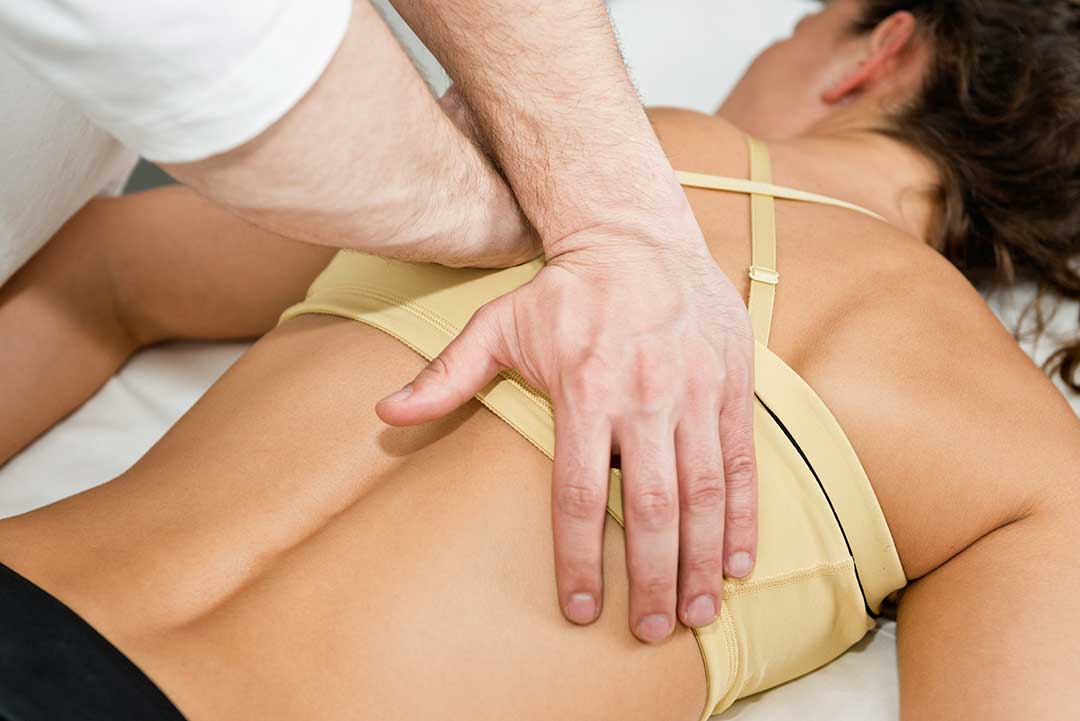
A chiropractor may assess how the spine, joints, muscles, posture, and movement patterns relate to a musculoskeletal complaint. Depending on the symptoms, care may include education, movement guidance, manual techniques, or exercises.
A chiropractic evaluation is not a substitute for emergency care or for medical assessment when symptoms suggest infection, fracture, nerve damage, internal illness, or another condition outside routine musculoskeletal care. A careful evaluation should include questions about the onset of pain, injury history, medications, health conditions, and warning signs.
The most useful goal is not simply to reduce discomfort for a few hours. It is to understand what may be contributing to the symptom, determine what activities are safe, and recognize when another type of medical evaluation is needed.
Paying attention to a minor ache does not mean assuming the worst. It means noticing patterns early, making sensible adjustments, and responding promptly when pain changes, persists, or interferes with normal life.
