

A minor back strain usually improves with simple care, gradual movement, and time. The most useful home measures are reducing painful activities temporarily, using cold or heat safely, staying gently active, and returning to normal tasks in stages.
This guidance is intended for a recent, mild strain that began after lifting, reaching, gardening, exercise, housework, or another familiar movement. Back pain can have many causes, so symptoms that are severe, unusual, or persistent should not be treated as a routine strain.
What does a minor back strain feel like?
A back strain commonly causes aching, tightness, muscle spasm, or soreness that gets worse with certain movements. The discomfort may be centered in the lower back and may make it difficult to bend, stand upright, roll in bed, or transition from sitting to standing.
A strain is more likely when the pain began during or shortly after an activity that loaded the back. Mild strains generally do not cause progressive leg weakness, loss of bladder or bowel control, fever, or numbness in the groin area.
Pain that travels sharply down a leg, causes tingling or weakness, or continues to worsen may involve nerve irritation or another condition rather than a simple muscle strain.
Should the back be rested or kept moving?
Short-term activity modification is reasonable, but prolonged bed rest usually slows recovery. Gentle movement helps reduce stiffness and prevents the back and surrounding muscles from becoming more guarded.
For the first day or two, avoid activities that clearly increase pain, such as lifting, repeated bending, twisting, or vigorous exercise. Continue comfortable activities as tolerated, including brief walks around the home or neighborhood.
Helpful guidelines include:
- Change positions regularly instead of remaining seated or lying down for long periods.
- Walk at an easy pace for a few minutes several times a day.
- Stop or reduce an activity if pain becomes sharper, spreads down the leg, or remains noticeably worse afterward.
- Resume household tasks gradually rather than trying to “catch up” all at once.
In a dense community where people may walk to nearby destinations, use stairs, commute, or manage household chores in limited space, small periods of movement can be more practical than one long exercise session.
Is ice or heat better for a strained back?
Either cold or heat may provide relief, depending on the symptoms and the person. Cold can be helpful during the first day or two if the area feels newly irritated or swollen. Heat may be more soothing when stiffness or muscle spasm is the main problem.
Use a cold pack or a warm compress with a cloth barrier between it and the skin. Apply it for about 15 to 20 minutes, then allow the skin to return to its normal temperature before repeating. Do not fall asleep with a heating pad or place ice directly on the skin.
People with reduced sensation, circulation problems, or difficulty recognizing temperature should use extra caution. A burn or cold injury can occur even when the application does not initially feel uncomfortable.
Which sleeping positions may reduce discomfort?
The most comfortable position is the one that allows the back muscles to relax without increasing symptoms. Many people find relief lying on the side with a pillow between the knees or on the back with a pillow beneath the knees.
When getting out of bed, roll onto one side first, move the legs toward the edge, and use the arms to push up. This limits the sudden twisting motion that can aggravate a fresh strain.
A mattress does not need to be extremely firm to support the back. The practical goal is a sleep surface that feels stable and does not leave the spine in a sharply bent or sagging position.
Can over-the-counter medicine help?
Over-the-counter pain relievers may make it easier to move, sleep, and perform basic activities, but they are not suitable for everyone. Anti-inflammatory medicines can be unsafe for some people with kidney disease, stomach ulcers, bleeding risks, certain heart conditions, or medication interactions.
Read the package directions and avoid combining products that contain the same active ingredient. A pharmacist can help identify safer options when there is uncertainty, especially during pregnancy or when several medicines are already being taken.
Medication should not be used to push through severe pain or return immediately to heavy lifting.
What gentle exercises are appropriate?
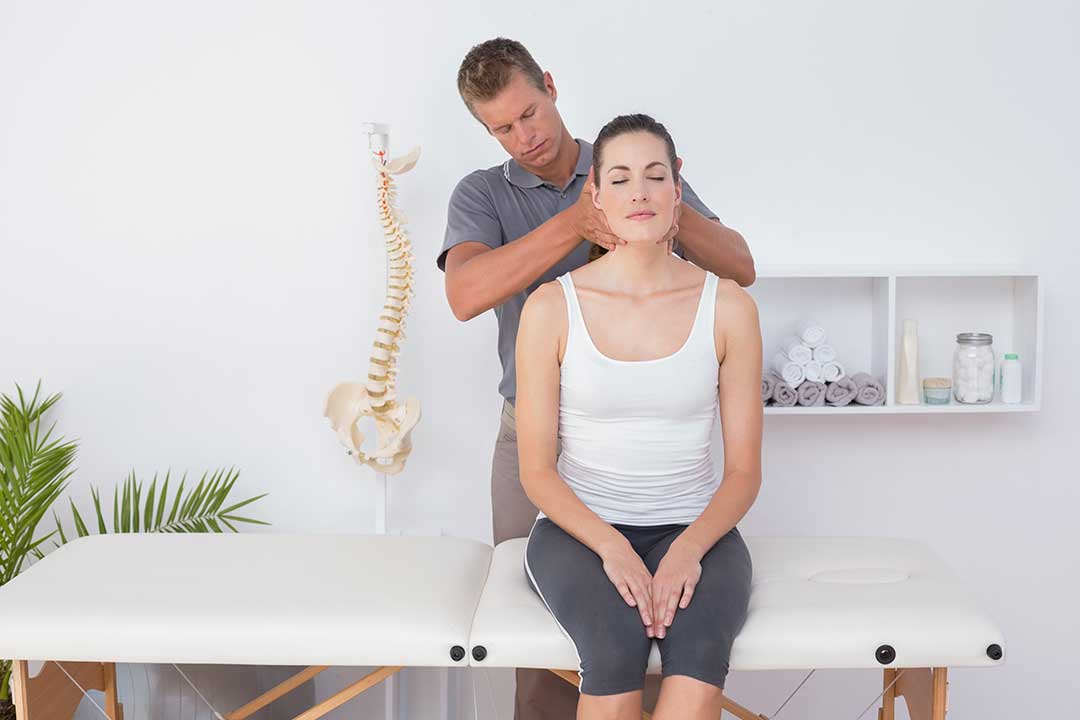
Early movement should feel controlled rather than forceful. Slow walking is often a reasonable starting point. Gentle pelvic tilting, relaxed knee movements while lying down, or easy stretching may be appropriate if they do not increase symptoms.
Avoid aggressive stretching, deep twisting, sit-ups, heavy resistance exercises, and high-impact activity during the painful phase. A stretch should not produce sharp pain, increasing leg symptoms, or significant soreness that lasts into the next day.
As movement becomes easier, gradually restore normal activities. Lifting should begin with light objects held close to the body. Bend through the hips and knees as much as comfortable, keep the load near the torso, and avoid turning while carrying it.
Seasonal tasks such as clearing wet leaves, moving outdoor items, shoveling, or carrying bags can place sudden demands on the back. Breaking these jobs into shorter periods and alternating tasks can reduce repeated strain.
When should a back strain be checked?
Seek urgent medical evaluation for back pain accompanied by:
- New loss of bladder or bowel control
- Numbness around the inner thighs, buttocks, or genital area
- Severe or worsening weakness in one or both legs
- Inability to walk safely
- Fever, unexplained weight loss, or feeling seriously ill
- Pain after a major fall, collision, or other significant injury
- Severe pain that does not improve with reasonable home care
Medical advice is also appropriate when pain travels below the knee, repeatedly returns, interferes with sleep, or is not clearly improving after several days to a couple of weeks. People with a history of cancer, osteoporosis, immune suppression, or long-term steroid use may need assessment sooner.
How long should a minor strain take to improve?
Many acute back strains begin to ease within a few days and improve substantially over several weeks. Recovery is not always linear; a slightly more painful day after increased activity does not necessarily mean new damage occurred.
A useful approach is to judge progress by function: walking a little farther, changing positions more easily, sleeping better, or completing routine tasks with less discomfort. If the overall trend is not improving, or if symptoms keep returning with ordinary movements, the original assumption of a simple strain may need to be reconsidered.
The safest home plan is usually a balance: protect the back from aggravating loads, keep it moving within comfortable limits, use cold or heat carefully, and increase activity gradually rather than waiting for complete stillness or forcing a quick return to normal.
