
PMS affects people differently, but common symptoms include cramping, bloating, breast tenderness, headaches, fatigue, sleep changes, irritability, anxiety, and low mood during the days or weeks before a menstrual period. Some people in Lynbrook, NY wonder whether chiropractic adjustments can ease these symptoms.
The most accurate answer is that chiropractic adjustments may help with certain muscle and joint complaints that occur around the menstrual cycle, such as low-back tension or pelvic-area discomfort. However, there is not strong evidence that spinal adjustments treat the underlying hormonal changes responsible for PMS or reliably improve the full range of PMS symptoms.
What is PMS, and how is it different from period pain?
PMS refers to recurring physical, emotional, and behavioral symptoms that appear before menstruation and improve after the period begins. The symptoms may be mild or may interfere with work, school, exercise, sleep, or relationships.
Period pain, also called dysmenorrhea, is more specifically cramping or pelvic pain during menstruation. A person can have PMS, painful periods, or both. Other conditions, including endometriosis, fibroids, thyroid disorders, migraine, depression, and anxiety, can sometimes resemble or worsen PMS.
Tracking symptoms for at least two menstrual cycles can help show whether they follow a consistent pattern. A simple record can include:
- The first day of bleeding
- The date symptoms begin and end
- Pain intensity and location
- Mood, sleep, appetite, and energy changes
- Bloating, breast tenderness, headaches, or bowel changes
- Medications, exercise, and other measures that provide relief
Can a chiropractic adjustment directly treat PMS?
There is no established evidence that an adjustment corrects hormone fluctuations, prevents ovulation, reduces fluid retention, or treats the emotional symptoms associated with PMS. Claims that spinal manipulation can “balance hormones” or regulate the reproductive system should be viewed cautiously.
Research on spinal manipulation for menstrual pain has been limited and inconsistent. Some studies have reported short-term pain improvement, while better-controlled research has not clearly shown that spinal manipulation works better than a sham treatment. Evidence for PMS itself is even more limited than evidence for menstrual cramps.
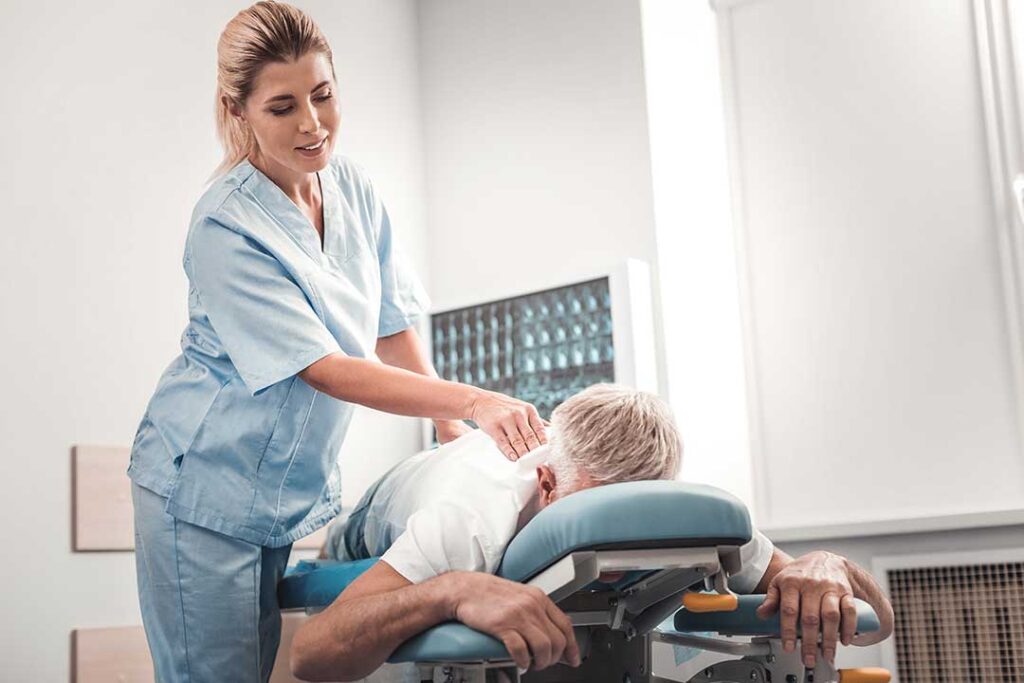
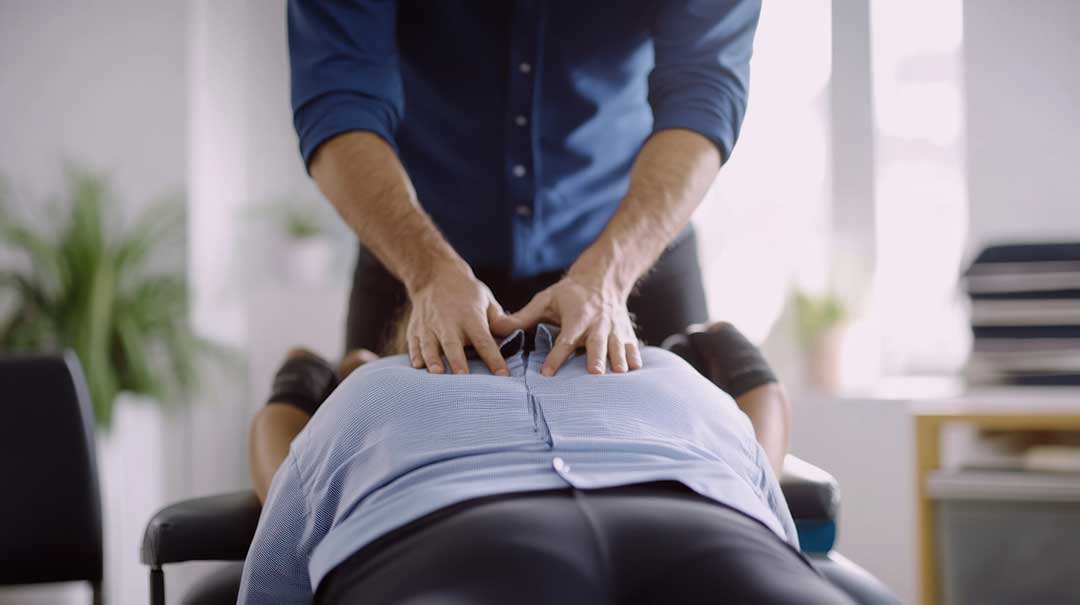
That does not mean an adjustment can never feel helpful. Manual care may temporarily reduce back stiffness, muscle guarding, or discomfort related to posture and movement. If those musculoskeletal symptoms become more noticeable before or during a period, improving mobility may make daily activities more comfortable. That is different from treating PMS as a hormonal or gynecological condition.
Which symptoms might be related to the muscles and joints?
Some cycle-related discomfort is partly musculoskeletal. Examples include:
- Aching across the low back
- Tightness in the hips or buttocks
- Stiffness after sitting for long periods
- Muscle tension associated with headaches
- Pain that changes with posture, walking, lifting, or bending
- Reduced activity because movement feels uncomfortable
For these complaints, an evaluation focused on movement, strength, flexibility, and daily habits may be reasonable. Gentle manual techniques, mobility exercises, walking, heat, and gradual strengthening can sometimes support comfort.
Symptoms such as marked bloating, breast tenderness, major mood changes, food cravings, or water retention are less likely to respond to a spinal adjustment because they are not primarily caused by a joint or muscle problem.
What approaches have stronger support for PMS?
For mild to moderate PMS, regular habits are often the first step. The most useful approach depends on the symptoms, health history, age, medications, and whether pregnancy is possible.
Helpful strategies may include:
- Regular aerobic activity, such as brisk walking, cycling, swimming, or another tolerable form of exercise
- Consistent sleep and wake times
- Relaxation practices, breathing exercises, yoga, or meditation
- Regular meals that include protein, fiber, and complex carbohydrates
- Limiting alcohol and avoiding smoking
- Heat applied to the low back or abdomen for cramping
- Over-the-counter pain medicine when medically appropriate
Calcium may reduce some physical and mood-related PMS symptoms for certain people, but supplements should not be started casually. Magnesium, vitamin B6, and other products may interact with medications or cause side effects. A pharmacist or medical clinician can help determine whether a supplement is appropriate.
Nonsteroidal anti-inflammatory drugs, such as ibuprofen or naproxen, may help menstrual pain, but they are not safe for everyone. People with a history of stomach ulcers, certain kidney problems, some bleeding conditions, aspirin sensitivity, or particular medication interactions may need to avoid them.
Can chiropractic care be used alongside medical treatment?
Chiropractic care, if chosen, should be considered complementary rather than a replacement for evaluation of significant PMS or pelvic symptoms. A careful approach should focus on clearly defined musculoskeletal complaints, realistic goals, and tracking whether symptoms actually improve.
A provider should know about pregnancy, osteoporosis, blood-clotting problems, recent injury, inflammatory arthritis, cancer history, neurological symptoms, and medications that affect bleeding or bone health. High-velocity techniques may not be appropriate for everyone.
It is also reasonable to stop a treatment that worsens symptoms or produces new pain, numbness, weakness, dizziness, or other concerning effects. No treatment should be presented as a way to eliminate the need for gynecological care.
For residents managing long days, commuting, household responsibilities, and seasonal changes in activity, a practical plan may involve walking, stretching, heat, sleep consistency, and symptom tracking rather than relying on one intervention. Cold weather can encourage more sitting and less movement, which may add to back stiffness even when it does not cause PMS itself.
When should PMS symptoms be medically evaluated?
Symptoms deserve medical attention when they are severe, new, steadily worsening, or disruptive. Evaluation is especially appropriate for:
- Pain that prevents normal activities
- Very heavy bleeding or bleeding between periods
- Pain during sex, bowel movements, or urination
- Fainting, fever, vomiting, or sudden severe pelvic pain
- Symptoms that occur throughout the entire month rather than mainly before menstruation
- New symptoms after age 40 or after a major change in menstrual pattern
- Depression, panic, hopelessness, or thoughts of self-harm
Severe mood symptoms that repeatedly appear before menstruation may indicate premenstrual dysphoric disorder, or PMDD. PMDD is more disabling than typical PMS and may require targeted treatment such as cognitive behavioral therapy, medication, or hormonal management. Thoughts of self-harm require immediate emergency help.
A medical evaluation can also identify conditions such as endometriosis, fibroids, anemia, thyroid disease, or migraine that may be mistaken for ordinary PMS.
What is the practical takeaway?
Chiropractic adjustments may provide temporary relief for some cycle-related back or muscle discomfort, but they should not be considered a proven treatment for PMS itself. The strongest general approach combines symptom tracking, regular exercise, sleep, stress management, appropriate pain relief, and medical evaluation when symptoms are persistent or disruptive.
The goal is not to assume every premenstrual symptom comes from the spine. It is to distinguish musculoskeletal discomfort from hormonal, gynecological, and mental-health symptoms so that each concern receives the appropriate type of care.
