
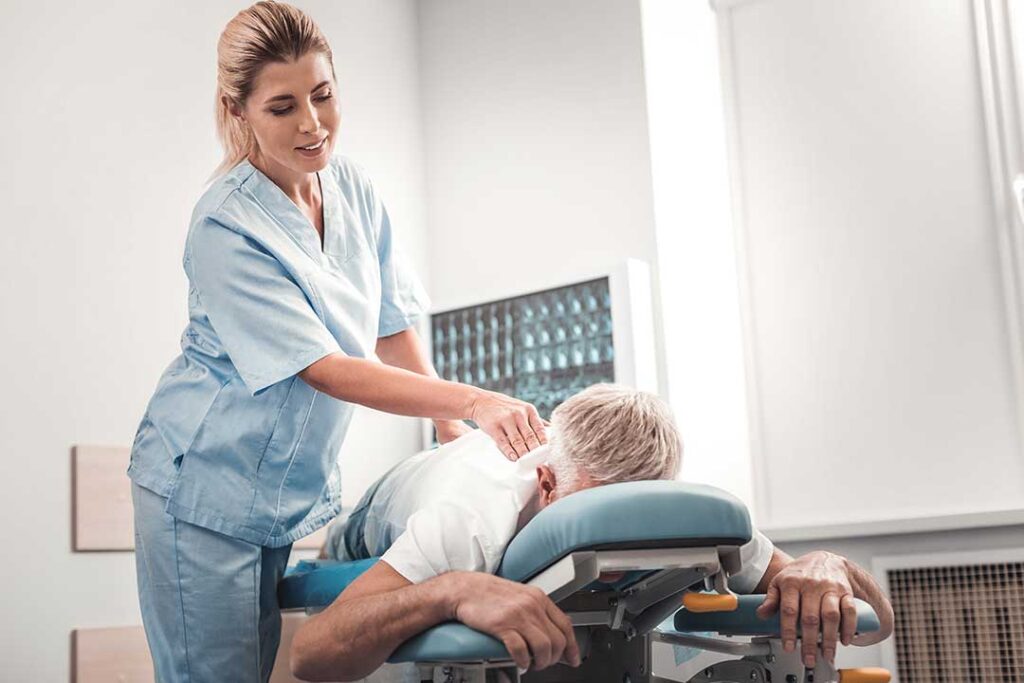
Active families often balance school, work, sports, walking, cycling, household tasks, and weekend recreation. Chiropractic care may support that lifestyle by addressing certain muscle and joint problems, improving movement awareness, and helping people return to normal activity after common strains.
It is not a replacement for emergency care, medical diagnosis, physical therapy, strength training, or rest. Its role is best understood as one part of a broader plan for healthy movement.
What does chiropractic care offer active families?
Chiropractic care commonly focuses on the relationship between the spine, joints, muscles, and movement. Depending on a person’s symptoms and health history, care may include spinal or joint manipulation, mobility exercises, stretching, strengthening guidance, and education about posture or lifting.
For active households, the practical goal is usually not “perfect alignment.” It is more specific:
- Reducing discomfort that interferes with walking, sleep, work, or exercise
- Restoring comfortable movement after a minor strain
- Identifying habits that repeatedly aggravate the back, neck, shoulders, or hips
- Supporting a gradual return to normal activity
- Helping people understand when self-care is reasonable and when further evaluation is needed
Research suggests that spinal manipulation may provide modest improvements in pain and function for some adults with acute or chronic low-back pain. Results vary, and treatment should be matched to the individual rather than applied as a routine approach for every family member.
How can care help parents and caregivers?
Adults frequently develop aches from lifting children, carrying groceries, working at a computer, driving, gardening, cleaning, or trying to fit exercise into an already crowded schedule. The problem may not come from one dramatic injury. Repeated bending, twisting, poor recovery, or a sudden increase in activity can gradually create pain.
A movement-focused evaluation may help identify contributing factors such as:
- Limited hip or upper-back mobility
- Weakness in the trunk, hips, or legs
- Repetitive lifting from one side
- Poor workstation or phone habits
- Returning to running or exercise too quickly
- Inadequate sleep and recovery
For example, a parent who repeatedly lifts a child from the floor may benefit from learning how to use the legs and keep the load closer to the body. Someone beginning a walking or running routine after a sedentary winter may need a gradual progression rather than immediate high mileage.
The most useful plan is often active rather than passive. Hands-on treatment, if appropriate, may be combined with walking, mobility work, strengthening, and changes to daily routines.
Is chiropractic care appropriate for children and teenagers?
Children and teenagers should not be treated as smaller adults. Their activity level, growth stage, sport demands, medical history, and ability to describe symptoms all matter.
Many childhood aches improve with rest, normal play, gradual conditioning, and attention to equipment or technique. Chiropractic care should not be viewed as necessary for routine wellness or as a way to “keep growing bodies aligned.” Evidence for pediatric spinal manipulation is more limited than evidence for some adult low-back conditions, so families should ask what problem is being addressed and what alternatives exist.
Extra caution is appropriate when a child has:
- Severe or persistent pain
- Pain after a collision or fall
- Numbness, weakness, or loss of coordination
- Fever, unexplained weight loss, or unusual fatigue
- Night pain that repeatedly interrupts sleep
- A known bone, nerve, inflammatory, or connective-tissue condition
A child’s pediatric clinician or another qualified medical provider may need to evaluate these symptoms before manual treatment is considered.
What about sports injuries?
Chiropractic care may be considered for some uncomplicated muscle and joint complaints, including stiffness, mild strains, or movement limitations. It should not be used to disguise an injury or speed an athlete back into competition before healing has occurred.
A safer return-to-activity process usually considers:
- Pain during ordinary walking and daily tasks
- Swelling, bruising, and range of motion
- Strength compared with the uninjured side
- Balance and coordination
- The demands of the specific sport
- Whether symptoms return during or after activity

An athlete who feels better immediately after treatment may still need time to rebuild strength and tolerance. Relief is not the same as complete recovery.
Protective equipment, warm-ups, conditioning, hydration, and gradual training changes remain central to injury prevention. Children and adolescents especially benefit from age-appropriate training, adequate rest, and avoiding excessive repetition of the same movement pattern.
Can chiropractic care support family exercise habits?
It can support exercise indirectly by helping some people move with less discomfort and by identifying barriers to activity. The broader health benefit comes from regular movement itself, not from treatment alone.
Families in Lynbrook, NY may encounter seasonal changes that affect routines, including colder months, icy sidewalks, hot summer conditions, and periods when outdoor activity is less convenient. Indoor walking, home strength exercises, mobility routines, and active household tasks can help maintain consistency when outdoor plans change.
A practical family approach might include:
- Starting with short walks or low-impact activity
- Increasing duration or intensity gradually
- Taking movement breaks during long periods of sitting
- Using proper lifting technique for children, laundry, and household items
- Building strength in the legs, hips, back, shoulders, and trunk
- Allowing rest after unusually demanding activity
- Recording patterns when pain repeatedly returns
Consistency usually matters more than occasional intense workouts.
Are there risks or reasons to avoid manipulation?
Most reported side effects of spinal manipulation are temporary, such as soreness, stiffness, or a mild increase in discomfort. Serious complications are uncommon but can occur, particularly when underlying health conditions increase risk.
A thorough health history should include prior surgery, osteoporosis, fractures, inflammatory conditions, cancer, blood-clotting problems, neurological symptoms, pregnancy, and current medications. Neck manipulation deserves particular caution because rare but serious vascular or neurological events have been reported.
Urgent medical evaluation is more appropriate than routine chiropractic care for symptoms such as sudden weakness, loss of bladder or bowel control, severe numbness, fainting, chest pain, major trauma, or rapidly worsening pain.
How should families decide what kind of care they need?
Start with the symptom and the effect it has on daily life. Mild soreness after unfamiliar activity may improve with relative rest, gentle movement, and time. Pain that persists, repeatedly returns, or limits normal function deserves a more careful assessment.
Useful questions include:
- What is the likely cause of the problem?
- What treatment options are available?
- What should improve, and within what timeframe?
- What exercises or daily changes support recovery?
- Which symptoms require medical evaluation?
- How will progress be measured?
A well-rounded approach keeps the person active when safe, avoids unnecessary restrictions, and recognizes when chiropractic care is not the right setting. For active families, the central aim is not constant treatment. It is helping each person understand their body, respond appropriately to symptoms, and maintain movement safely through changing seasons and routines.
