
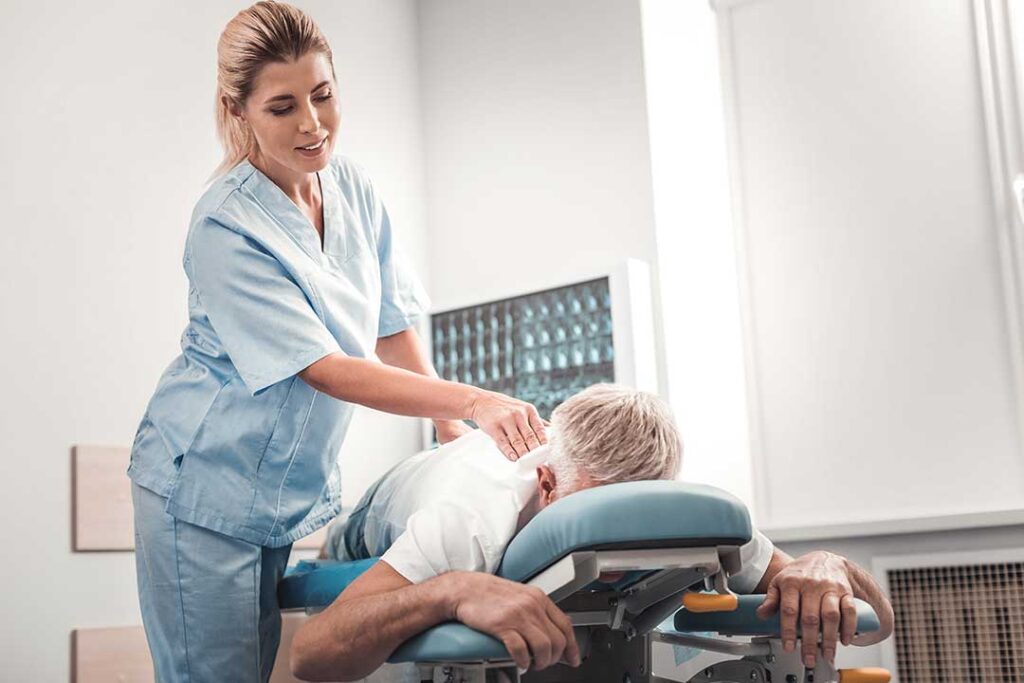
A minor back strain often improves with simple home care over several days to a few weeks. The most useful steps are gentle movement, short periods of heat or cold, temporary activity changes, and careful attention to symptoms that may signal something more serious.
What does a minor back strain feel like?
A back strain usually involves soreness or irritation in the muscles, tendons, or supporting tissues around the spine. It may begin after lifting, twisting, reaching, shoveling, exercising, or spending too long in one position.
Common symptoms include:
- Aching, tightness, or tenderness in the lower back
- Pain that increases with bending, standing, or changing position
- Muscle spasm or a feeling that the back is “locked”
- Discomfort that improves when the irritated area is rested briefly
- Pain that stays in the back rather than traveling far down the leg
A strain is less likely to be minor if it causes significant leg weakness, numbness in the groin area, loss of bladder or bowel control, fever, or severe pain after a fall.
Should you use ice or heat?
Either cold or heat may provide short-term relief, depending on what feels better. Cold can be useful during the first day after a sudden injury, especially if the area feels irritated or swollen. Heat may be more comfortable when stiffness or muscle tightness is the main problem.
Use a cold pack or heating pad for about 15 to 20 minutes at a time. Place a thin cloth between the skin and the pack, and avoid falling asleep with a heating pad in place. Check the skin regularly, particularly if reduced sensation, diabetes, or circulation problems make it harder to notice excessive cold or heat.
Heat can also help loosen the back before gentle movement. It does not need to be very hot to be effective.
Is bed rest helpful?
Complete bed rest usually slows recovery and can increase stiffness. For the first day or two, it is reasonable to reduce painful activities, but try to keep changing positions and walking short distances as tolerated.
A practical approach is to:
- Take brief walks around the home
- Avoid staying seated for long stretches
- Use a supportive chair rather than a deep, soft couch
- Change position before discomfort becomes intense
- Return gradually to ordinary activities
Residents dealing with snow, wet leaves, or slippery walkways should be especially cautious about sudden twisting and lifting. A minor strain can worsen when a person tries to catch a fall, rushes over an icy surface, or lifts a heavy shovel while rotating the trunk.
What movements are safe?
Gentle movement is generally better than forceful stretching. Try slow walking and comfortable range-of-motion movements, stopping if pain becomes sharper, spreads down the leg, or lingers noticeably afterward.
Some people tolerate these simple options:
- Lying on the back with knees bent and taking slow breaths
- Gently rocking the knees a small distance from side to side
- Walking for five to ten minutes on level ground
- Changing from sitting to standing several times each hour
Avoid aggressive stretching, repeated toe-touching, deep twisting, heavy lifting, and exercises that produce shooting pain. The goal is not to “push through” the injury. The goal is to maintain comfortable motion while the irritated tissues settle.
How should you sleep with a sore back?
Sleep position is a matter of comfort, but a few adjustments may reduce strain. Side sleepers may benefit from placing a pillow between the knees. Back sleepers often feel more comfortable with a pillow under the knees. If lying on the stomach increases discomfort, try another position.
A mattress does not need to be extremely firm. Supportive and comfortable is more useful than choosing a very hard surface. Getting out of bed may be easier by rolling onto the side, lowering the legs, and pushing up with the arms instead of sitting straight up.
Can over-the-counter medicine help?
Nonprescription pain relievers may reduce discomfort enough to make walking and normal movement easier. However, they are not safe for everyone.
Ibuprofen and naproxen can cause problems for people with a history of stomach ulcers, kidney disease, certain heart conditions, uncontrolled high blood pressure, bleeding disorders, or medication interactions. Acetaminophen may be unsuitable for some people with liver disease or heavy alcohol use. Read the label carefully, avoid taking more than directed, and ask a pharmacist or healthcare professional if there is uncertainty about a medication, dose, pregnancy, or interactions.
Pain medicine should support safe movement, not encourage strenuous activity before the back has recovered.
What household activities should be avoided?
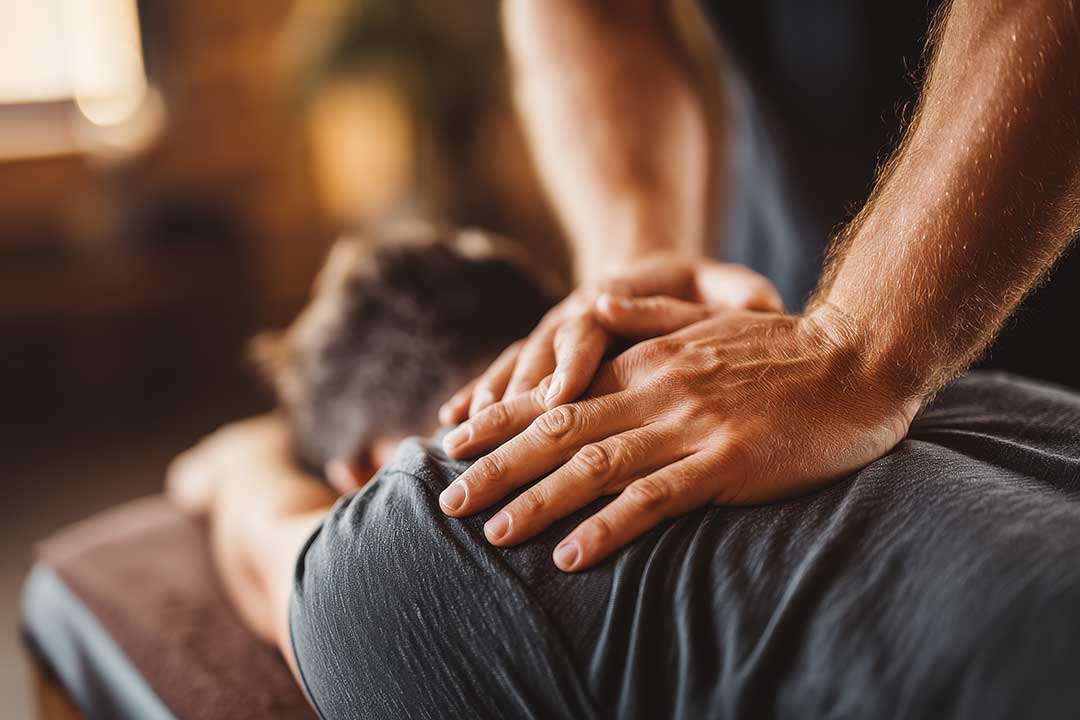
For several days, modify tasks that require bending, lifting, or twisting. This may include laundry baskets, vacuuming, moving furniture, carrying large grocery bags, or lifting children from the floor.
When lifting is necessary:
- Keep the object close to the body
- Bend through the hips and knees rather than rounding the back
- Avoid turning while carrying
- Divide heavy loads into smaller portions
- Ask for assistance with bulky or awkward objects
In compact homes and apartments, everyday tasks may involve frequent stair use, tight turns, or carrying items through narrow spaces. Slow down and keep one hand free for balance when moving between floors.
When should a back strain be checked?
Seek urgent medical care for back pain accompanied by:
- New loss of bladder or bowel control
- Numbness around the inner thighs, groin, or buttocks
- Severe or worsening weakness in one or both legs
- Inability to walk normally
- Fever, chills, or feeling acutely ill
- Unexplained weight loss or a history of cancer
- Major trauma, such as a serious fall or vehicle collision
- Severe pain that is constant, rapidly worsening, or unrelated to movement
Prompt medical evaluation is also appropriate for people with osteoporosis, long-term steroid use, immune suppression, or significant medical conditions.
A routine evaluation is sensible if the pain is not gradually improving after several days, continues beyond a few weeks, repeatedly returns, or begins traveling down the leg with tingling or numbness. Those patterns may reflect nerve irritation or another condition rather than a simple muscle strain.
How can another strain be prevented?
Once everyday movement is comfortable, rebuild activity gradually. Avoid going from several inactive weeks directly into heavy yard work, intense exercise, or prolonged lifting. Warm up before strenuous tasks, alternate positions, and take short breaks during cleaning, desk work, or outdoor chores.
Good lifting habits help, but posture does not need to be rigid all day. Frequent movement, adequate sleep, regular walking, and sensible progression of activity are usually more helpful than trying to hold one “perfect” position.
Most minor strains improve with time and measured activity. The safest home plan is one that reduces irritation without creating prolonged inactivity or masking warning signs.
